
Permaculture Garden Design: Principles and Practices
Learn permaculture garden design principles and practices including food forests, guilds, zones, swales, polyculture, and closed-loop sustainable systems.
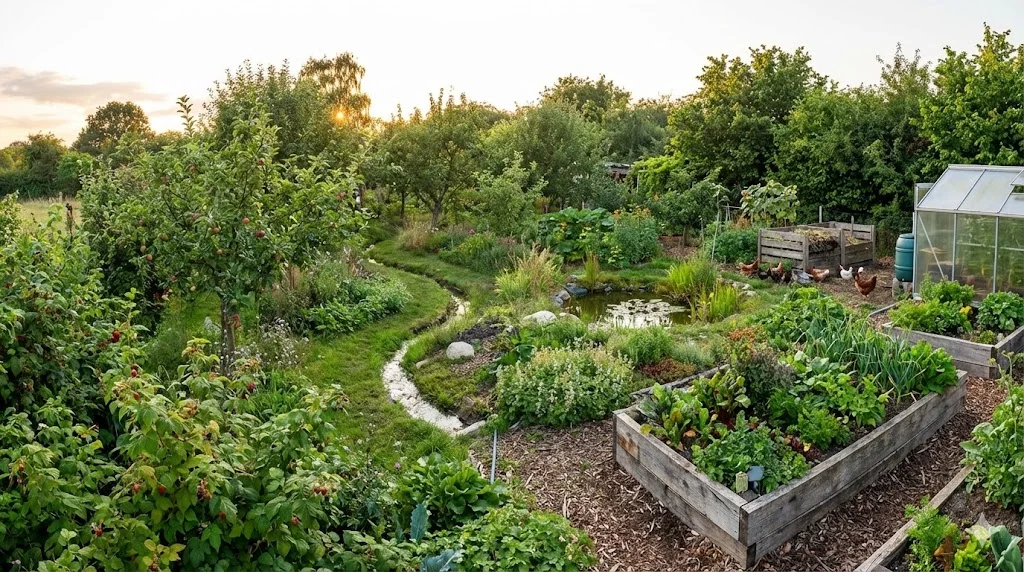
Permaculture Garden Design: Principles and Practices
Permaculture is a design philosophy rooted in the observation of natural ecosystems. At its core, it asks a simple question: how can we design human habitats — and particularly gardens — that function like natural ecosystems, where every element supports every other element and waste from one process becomes the input for another?
The word itself is a contraction of "permanent agriculture" or "permanent culture." It was coined in the 1970s by Bill Mollison and David Holmgren in Australia, but its principles draw on indigenous land management practices, ecology, and systems thinking that are as old as human civilization.
For the garden designer, permaculture offers a powerful framework for creating outdoor spaces that are not just beautiful and productive, but inherently sustainable — gardens that build soil, conserve water, support wildlife, and produce food with minimal external inputs and minimal waste.
The Core Principles
Permaculture is guided by three ethics and twelve design principles. For garden design, the most applicable principles are:
Observe and Interact
Before making any changes to a site, spend a full year observing it. Watch where the sun falls in different seasons. Notice where water collects and where it drains. Observe which plants thrive and which struggle. Note where wildlife moves and shelters.
This patient observation period is what separates permaculture design from conventional landscaping. Rather than imposing a design onto a site, you develop a design from the site.
Catch and Store Energy
In garden terms, "energy" means sunlight, rainwater, nutrients, and heat. Permaculture gardens are designed to capture these resources efficiently:
- Rainwater harvesting: Butts, cisterns, and swales capture rain for later use.
- Composting: Returns nutrients to the soil in a closed loop.
- Sun trapping: Warm walls, greenhouses, and sheltered microclimates extend the growing season.
- Soil building: Healthy soil is a stored energy bank of nutrients and carbon.
Produce No Waste
In a permaculture garden, there is no waste — only resources in the wrong place. Kitchen scraps become compost. Prunings become mulch. Leaves become leaf mould. Surplus produce is shared or preserved.
"In permaculture, every output from one system is an input for another. The garden becomes a circle, not a line."
Use and Value Diversity
Monocultures are vulnerable. Diverse systems are resilient. A permaculture garden includes a wide range of plants, insects, and soil organisms that create a self-regulating ecosystem.
Integrate Rather Than Segregate
In conventional gardens, the vegetable patch, the flower border, the herb garden, and the compost heap are separate areas. In permaculture, they are integrated. A hedge might be a windbreak, a wildlife corridor, a source of berries, and a design element — all at once.
Permaculture Zones
One of the most practical permaculture concepts for garden designers is zoning — organising the garden based on frequency of use and intensity of management.
Zone 0: The House
The starting point. Everything in the garden radiates outward from here.
Zone 1: Intensive and Daily
The area immediately around the house, visited daily. This is where you place:
- Herb gardens and salad beds
- Kitchen containers
- Compost bins
- Frequently harvested crops
- Clotheslines and outdoor seating
Zone 2: Regularly Maintained
The middle ground, visited every few days. This zone includes:
- Main vegetable beds
- Fruit bushes (currants, gooseberries, blueberries)
- Greenhouse or polytunnel
- Rainwater storage
- Perennial beds requiring seasonal attention
Zone 3: Low Maintenance
Visited weekly or less. Includes:
- Orchard trees
- Food forest areas
- Grain crops (if space allows)
- Larger compost systems
- Nut trees
Zone 4: Semi-Wild
Minimal management. May include:
- Coppice woodland
- Wildflower meadows
- Rough grazing
- Firewood production
Zone 5: Wild
No management at all. This is your nature reserve — a space left entirely for wildlife. Even a small garden can include a Zone 5 corner: a patch of nettles, a log pile, or an area of long grass left undisturbed.
The zone system is flexible and scalable. A small urban garden might only have Zones 0 to 2, while a rural property might use all five.
The Food Forest: Permaculture's Signature
The food forest (or forest garden) is perhaps the most iconic permaculture concept. It mimics the structure of a natural woodland, with multiple layers of edible and useful plants stacked vertically:
The Seven Layers
- Canopy layer: Full-sized fruit and nut trees — apple, pear, walnut, sweet chestnut.
- Sub-canopy layer: Smaller trees — plum, cherry, crabapple, hazel.
- Shrub layer: Berry bushes — currants, gooseberries, blueberries, raspberries.
- Herbaceous layer: Perennial vegetables and herbs — comfrey, mint, sorrel, lovage, rhubarb.
- Ground cover layer: Low-spreading plants — strawberries, creeping thyme, clover.
- Vine layer: Climbing plants — grapes, kiwi, climbing beans, hops.
- Root layer: Root vegetables and fungi — Jerusalem artichokes, horseradish, garlic, mushroom logs.
A mature food forest is remarkably low maintenance. Once established, it largely takes care of itself — no digging, minimal watering, no annual replanting. It builds soil, sequesters carbon, and produces food year after year.
Guilds: Plant Communities That Work Together
A guild is a group of plants chosen to support each other — mimicking the cooperative relationships found in natural ecosystems. The classic permaculture guild is built around a fruit tree:
The Apple Tree Guild
- Centre: Apple tree
- Nitrogen fixers: Clover, comfrey (dynamic accumulator — deep roots bring nutrients to the surface)
- Pest confusers: Chives, garlic, dill (aromatic plants that confuse pests seeking the tree)
- Pollinators: Borage, phacelia (attract pollinators to the tree's flowers)
- Ground cover: Strawberries, creeping thyme (suppress weeds, retain moisture)
- Mulch producers: Comfrey (cut and drop leaves as mulch several times per season)
Each plant in the guild serves a function that supports the others. The result is a self-maintaining, productive planting combination.
Swales and Water Management
Swales are shallow, level ditches dug along the contour of a slope. They capture rainwater runoff and allow it to infiltrate slowly into the soil, rather than running off the surface.
How Swales Work
- Water flows downhill during rain.
- It collects in the swale — a shallow trench with a mounded berm on the downhill side.
- The water infiltrates slowly, hydrating the soil downslope.
- Plants on the berm — often fruit trees or productive shrubs — benefit from the stored moisture.
In a garden context, even a small swale can dramatically reduce the need for irrigation and prevent waterlogging of lower areas. Combined with rain gardens and rainwater harvesting, swales create a water management system that mirrors natural hydrology.
Polyculture vs. Monoculture
Conventional gardening often separates plants by type — a row of carrots, a bed of lettuce, a border of roses. Permaculture favours polyculture: growing multiple species together in combinations that support each other.
Benefits of Polyculture
- Pest reduction: Mixed planting confuses pests that locate plants by sight or smell.
- Improved pollination: Diverse flowers attract a wider range of pollinators.
- Soil health: Different root depths and nutrient needs prevent soil depletion.
- Resilience: If one crop fails, others compensate.
- Space efficiency: Tall and short plants, deep and shallow rooters, fast and slow growers can share the same space.
The Three Sisters
The classic polyculture example: corn (provides structure for beans to climb), beans (fix nitrogen for all three plants), and squash (shades the ground, suppresses weeds, retains moisture). Each plant supports the others.
Applying Permaculture in Any Garden
You do not need a farm to practice permaculture. Even a small urban garden can incorporate these principles:
Small Garden Permaculture
- Herb spiral: A spiral-shaped raised bed with a warm, dry top and a cool, moist base, growing herbs suited to each microclimate in just one square metre.
- Vertical growing: Use walls, trellises, and fences for climbing food plants — beans, peas, cucumbers, grapes.
- Container polyculture: Mix tomatoes, basil, and marigolds in a single large pot — pest confusion and companion planting in miniature.
- Edge planting: Use every edge — along paths, walls, fences — for productive plants.
- Compost in place: Drop kitchen scraps directly into a trench between beds, covered with soil. Simple, effective, and space-efficient.
Balcony and Patio Permaculture
Even without ground, you can:
- Grow herbs and salads in recycled containers.
- Create a worm bin for composting kitchen waste.
- Grow climbing food plants (beans, peas, tomatoes) up walls and railings.
- Collect rainwater from a roof edge or gutter.
"Permaculture is not about scale — it is about thinking in systems. A window box managed with permaculture principles is as valid as a twenty-acre food forest."
Permaculture and Beautiful Design
A common misconception is that permaculture gardens look messy or utilitarian. This need not be the case. The principles of permaculture are entirely compatible with beautiful design:
- Use ornamental edibles (purple kale, rainbow chard, flowering herbs) in visible borders.
- Design paths, structures, and layouts with the same care as any ornamental garden.
- Incorporate art, seating, and focal points alongside productive planting.
- When you plan your permaculture garden layout, you can balance aesthetics and function, ensuring the garden looks beautiful while working as an integrated system.
Getting Started with Permaculture
Permaculture is a lifelong journey. Start with these three steps:
- Observe your garden for one season. Note sun patterns, water flow, wind, wildlife, and soil conditions. This observation will inform everything that follows.
- Start composting. Closing the nutrient loop is the most fundamental permaculture practice. Start a compost bin, a worm farm, or a simple compost trench. Our guide on composting and soil health for garden designers covers techniques in detail.
- Plant one guild. Choose a fruit tree and surround it with supportive companion plants — a nitrogen fixer, a dynamic accumulator, a ground cover, and a pollinator attractor. Watch how they work together.
Permaculture is not a set of rules — it is a way of seeing. Once you start thinking in systems, observing relationships, and designing for integration, your garden will become more productive, more beautiful, and more sustainable with each passing year. For the broader sustainable design context, visit our sustainable garden design guide.
Garden Design Team
Expert garden designers sharing tips, inspiration, and practical advice for creating beautiful outdoor spaces.
Explore professional garden design
Scapiera is a paid professional garden-design application. See plans for included capabilities and availability.
Join the waitlistRelated articles
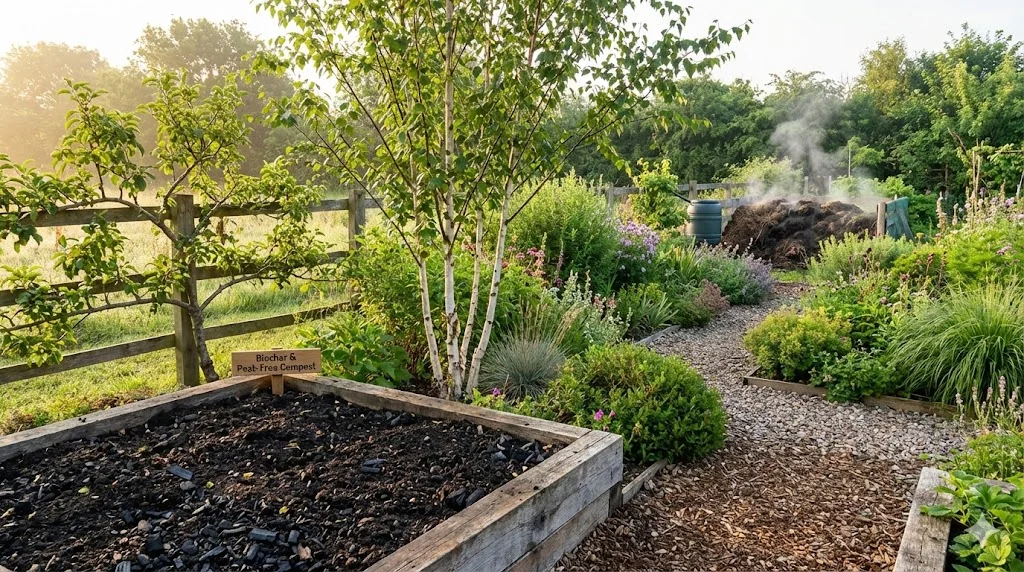
Carbon-Positive Garden Design: Sequestering Carbon at Home
Design a carbon-positive garden that sequesters carbon through tree planting, biochar, peat-free growing, reduced hardscape, and soil health strategies.
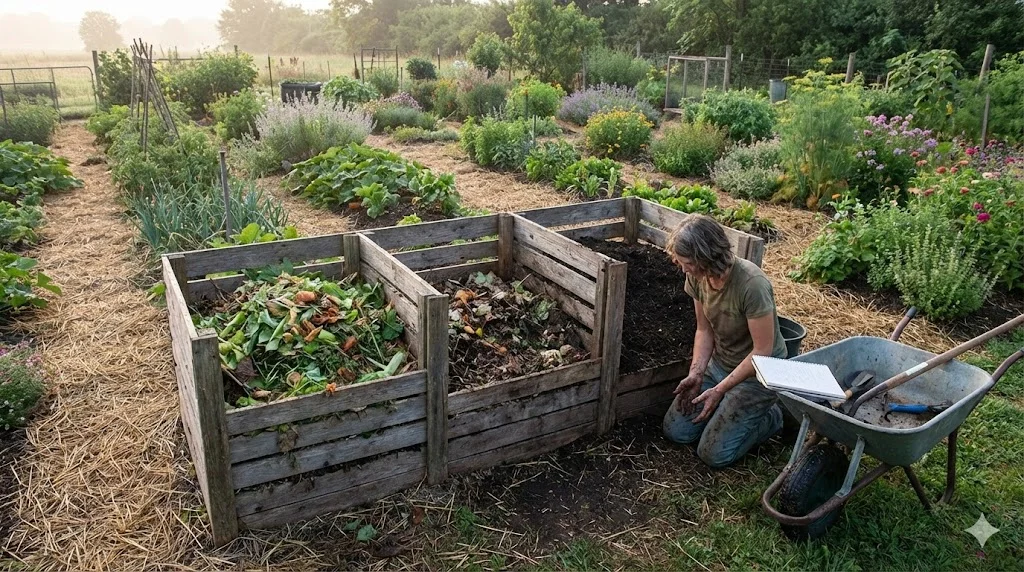
Composting and Soil Health for Garden Designers
Master composting and soil health for better garden design with guidance on the soil food web, composting methods, mulch types, no-dig gardening, and more.
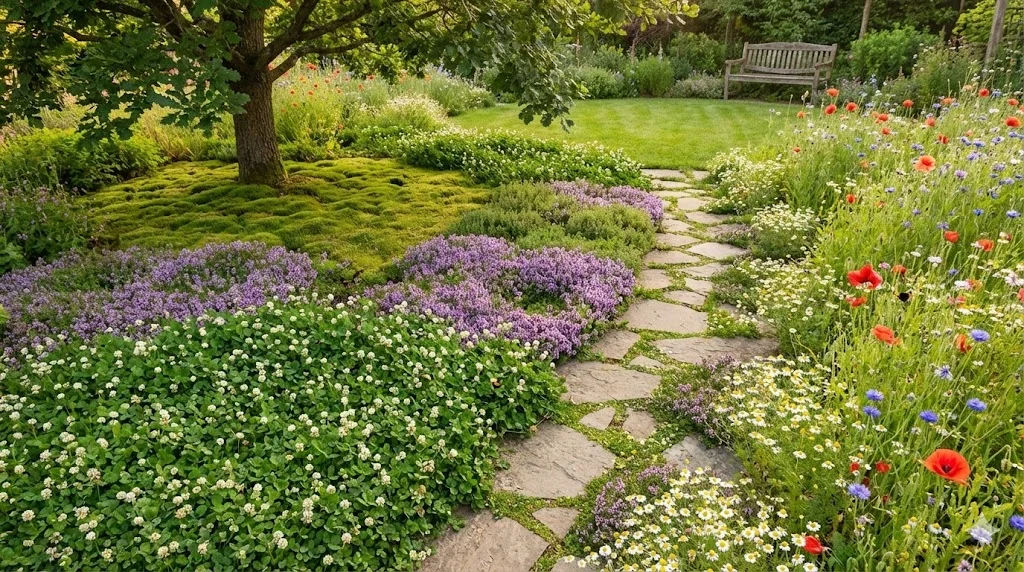
No-Mow Garden Design: Lawn Alternatives That Thrive
Explore no-mow garden design with lawn alternatives that thrive, including clover lawns, creeping thyme, moss gardens, meadow patches, and ground covers.