
Spring Garden Planning: What to Plant and Design Now
Plan your spring garden with expert guidance on what to plant, bed preparation, seed starting, and design refresh ideas for a stunning seasonal display.
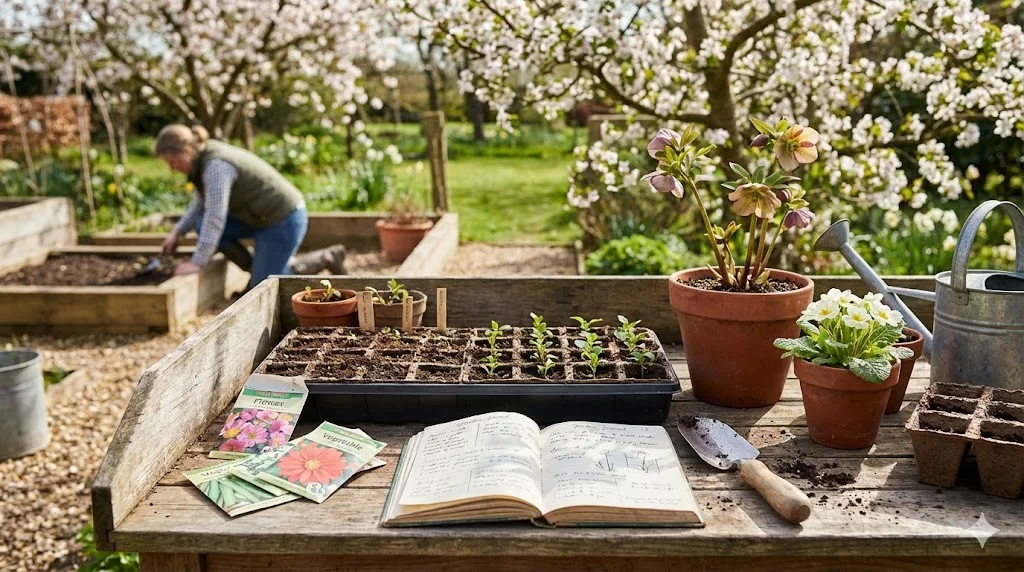
Spring Garden Planning: What to Plant and Design Now
Spring is the gardener's new year. As daylight lengthens and soil temperatures rise, there is a palpable sense of possibility in the air. The decisions you make in the next few weeks will shape how your garden looks and performs for the rest of the year. Spring garden planning is about more than just choosing plants — it is about evaluating what worked last year, refreshing your design, preparing your soil, and setting the stage for continuous interest from March through to the following winter.
Whether you are a seasoned gardener itching to get back outside or a newcomer wondering where to begin, this guide covers everything you need to know about spring garden planning — from bed preparation and seed starting to plant selection and design refresh.
Assessing Your Garden After Winter
Before you plant a single seed, walk through your garden with fresh eyes. Winter reveals the bones of your design — the gaps, the successes, and the areas that need attention.
- Check for winter damage. Look for frost-heaved perennials, broken branches, and waterlogged areas. Gently firm any plants that have been lifted by frost.
- Evaluate structure. With deciduous plants still bare, you can see the shape of your garden clearly. Are there areas that feel empty? Do your paths and focal points still work? This is the time to make structural changes.
- Note what survived. Pay attention to which plants came through winter well and which did not. This tells you about your microclimate and helps inform future planting choices.
- Clear debris carefully. Remove dead leaves from crowns of perennials, but leave some leaf litter in borders where it provides habitat for beneficial insects.
"Spring planning starts with honest observation. The garden will tell you what it needs if you take the time to look."
Preparing Your Beds and Soil
Good soil preparation in spring sets the foundation for healthy growth all year. This is where many gardeners make their biggest gains.
Soil Assessment
Test your soil if you have not done so recently. A simple pH test kit from any garden centre will tell you whether your soil is acid, neutral, or alkaline. Understanding your soil type — clay, sand, loam, or chalk — helps you choose plants that will thrive without constant intervention.
Improving Soil Structure
- Add compost. A 5–8 cm layer of well-rotted garden compost or composted bark worked into the top 15 cm of soil improves both clay and sandy soils.
- Avoid working wet soil. If the soil sticks to your boots, it is too wet to dig. Walking on or digging wet soil compacts it, damaging structure.
- Mulch after planting. A generous mulch layer suppresses weeds, retains moisture, and feeds the soil as it breaks down.
Feeding
Apply a balanced slow-release fertiliser to borders in mid-spring. Roses, fruit trees, and heavy-feeding perennials benefit from a dedicated feed at this time.
What to Plant in Spring
Spring planting falls into several categories, each serving a different role in your garden design.
Hardy Perennials
March through May is ideal for planting hardy perennials. These form the backbone of your borders and return year after year. Top choices for spring planting include:
- Geraniums (Cranesbill) — long-flowering, easy, and available in dozens of varieties from ground-hugging to knee-high.
- Salvias — both hardy and tender types offer months of colour from early summer onwards.
- Echinaceas — these prairie natives provide mid to late summer colour and excellent seed heads for winter.
- Heucheras — grown primarily for their spectacular evergreen foliage in shades of plum, coral, lime, and silver.
- Astrantias — elegant, long-lasting flowers that work beautifully in cottage-style and contemporary borders alike.
Spring-Flowering Bulbs (for Next Year)
If you did not plant spring bulbs last autumn, make a note now of the gaps in your spring display so you can fill them next October. However, you can plant "in the green" bulbs — snowdrops, bluebells, and winter aconites — in spring after they have finished flowering. This is often the most reliable way to establish these woodland beauties.
For detailed guidance on bulb selection and layered planting, see our guide on best spring bulbs for garden design impact.
Summer-Flowering Bulbs
Spring is the time to plant bulbs that will flower in summer and autumn:
- Dahlias — plant tubers after the last frost for a spectacular display from July to October.
- Lilies — plant bulbs in spring for fragrant summer blooms.
- Gladioli — plant corms in succession from March to May for staggered flowering.
- Crocosmia — plant corms in spring for fiery late-summer colour.
- Alliums — while most are autumn-planted, you can still find container-grown alliums to add to borders in spring.
Annuals and Bedding
For instant colour and to fill gaps while perennials establish, annuals are invaluable:
- Hardy annuals (sow direct in March–April): Calendula, nigella, cornflowers, poppies, sweet peas.
- Half-hardy annuals (sow indoors or buy as plugs): Cosmos, zinnias, nicotiana, snapdragons.
Trees and Shrubs
Container-grown trees and shrubs can be planted throughout spring. This is an excellent time to add structural plants that will anchor your design for years to come. Consider what role each new tree or shrub will play — screen, focal point, shade provider, or seasonal highlight.
Seed Starting: Getting Ahead Indoors
Starting seeds indoors in late winter and early spring gives you a head start on the growing season and dramatically expands your plant choices.
Essential Seed-Starting Equipment
- Seed trays or module trays with drainage
- Quality seed compost (fine-textured, low nutrient)
- A bright windowsill, grow lights, or a heated propagator
- Labels and a waterproof pen
- A fine-rose watering can or misting spray
Timing Is Everything
- February–March: Start tender perennials, slow-growing annuals (snapdragons, pelargoniums), and early vegetables.
- March–April: Start half-hardy annuals (cosmos, zinnias, marigolds), tomatoes, and peppers.
- April–May: Sow tender crops like squash, cucumbers, and basil indoors, and begin hardening off earlier sowings.
The Art of Hardening Off
Plants raised indoors need to acclimatise to outdoor conditions before planting out. Place them outside during the day and bring them in at night for a week to ten days before their final planting date. Skipping this step leads to shocked, stunted plants.
Refreshing Your Garden Design
Spring is the ideal time to make design changes. The ground is workable, plants are just emerging, and you can see the layout clearly.
Small Changes with Big Impact
- Redefine bed edges. A clean, crisp edge transforms the appearance of a border instantly.
- Add a focal point. A well-placed pot, seat, or specimen plant draws the eye and gives the garden structure.
- Reorganise your planting. Move plants that are in the wrong spot — too much shade, too little space, clashing colours. Spring is the safest time to move most perennials.
- Introduce a new colour scheme. If your borders feel chaotic, choose a limited palette — say, blue, white, and purple — and replant accordingly.
Larger Design Projects
If you are planning bigger changes — a new patio, raised beds, or a restructured layout — spring is the time to start. When you plan your garden layout digitally before breaking ground, you can test ideas, experiment with proportions, and avoid costly mistakes.
Planning for the Seasons Ahead
Spring planning is not just about spring. The choices you make now ripple through the entire year. As you select plants, think about what they will contribute in every season:
- Will that rose provide hips in autumn?
- Does that shrub have good autumn foliage colour?
- Will the ornamental grass hold its structure through winter?
- Does the tree have interesting bark visible when its leaves drop?
This kind of multi-season thinking is at the heart of year-round garden design. For the complete picture, see our year-round garden design seasonal guide.
Common Spring Planning Mistakes to Avoid
- Planting too early. Wait until soil is warm and workable. Tender plants should not go out until after your last frost date.
- Ignoring spacing. New plants look small, but they grow. Follow spacing guidelines to avoid overcrowded borders by midsummer.
- Forgetting foliage. A border of all flowers and no interesting foliage lacks depth. Include plants with contrasting leaf shapes, textures, and colours.
- Buying without a plan. It is tempting to grab everything at the garden centre, but impulse purchases often end up in the wrong place. Plan first, then shop.
- Neglecting soil preparation. No amount of expensive plants will compensate for poor soil. Invest in your soil and everything else follows.
Getting Started This Weekend
Spring garden planning can feel overwhelming, but it does not need to be. Start with these three actions this weekend:
- Walk your garden with a notebook. Jot down three things you want to change and three things that are working well.
- Prepare one bed. Clear it, add compost, and plant something new — even if it is just a single perennial or a packet of seeds.
- Order your summer bulbs. Dahlias and lilies sell out quickly in spring. Order now for the best selection.
"The best time to plant a tree was twenty years ago. The second best time is this spring."
Spring rewards the gardener who plans. Take the time now to think about what you want from your garden, and you will reap the benefits through summer, autumn, and beyond. For seasonal guidance throughout the year, return to our comprehensive year-round garden design seasonal guide.
Garden Design Team
Expert garden designers sharing tips, inspiration, and practical advice for creating beautiful outdoor spaces.
Explore professional garden design
Scapiera is a paid professional garden-design application. See plans for included capabilities and availability.
Join the waitlistRelated articles
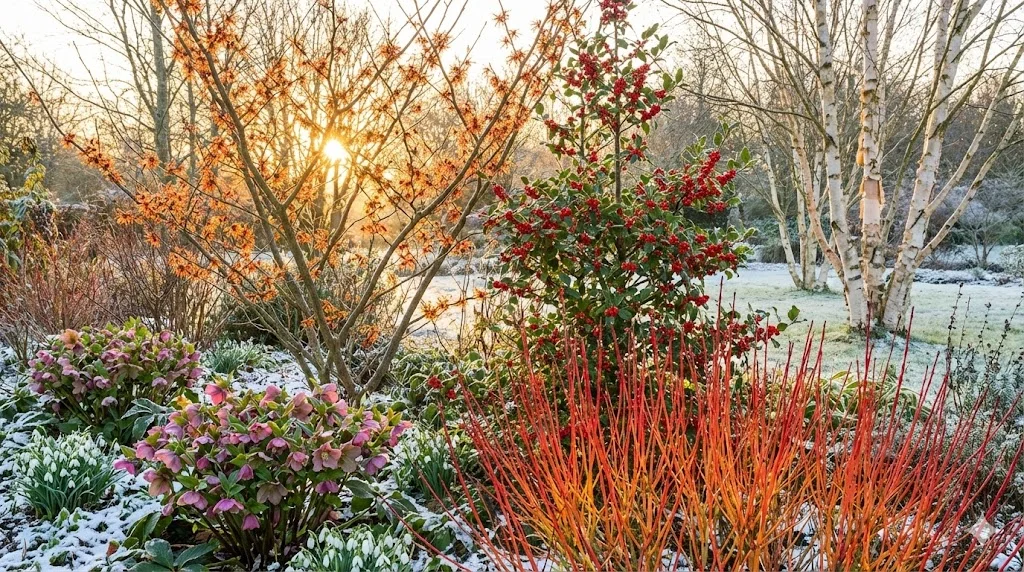
Best Plants for Winter Color and Berries
Discover the best plants for winter color and berries, including winterberry holly, dogwood stems, witch hazel, snowdrops, hellebores, and ornamental bark.
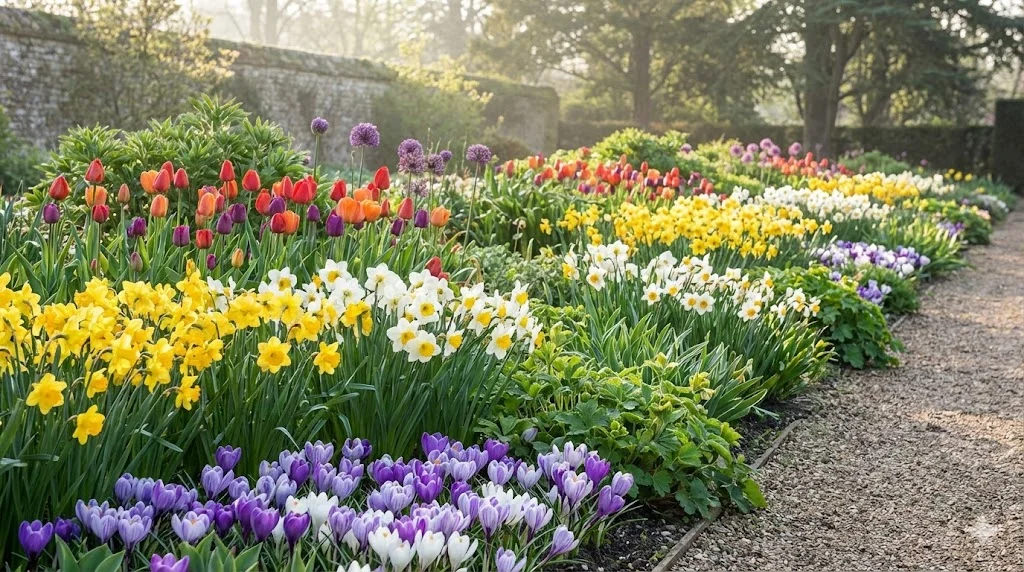
Best Spring Bulbs for Garden Design Impact
Discover the best spring bulbs for garden design impact, from tulips and alliums to layered bulb planting techniques for weeks of spectacular colour.
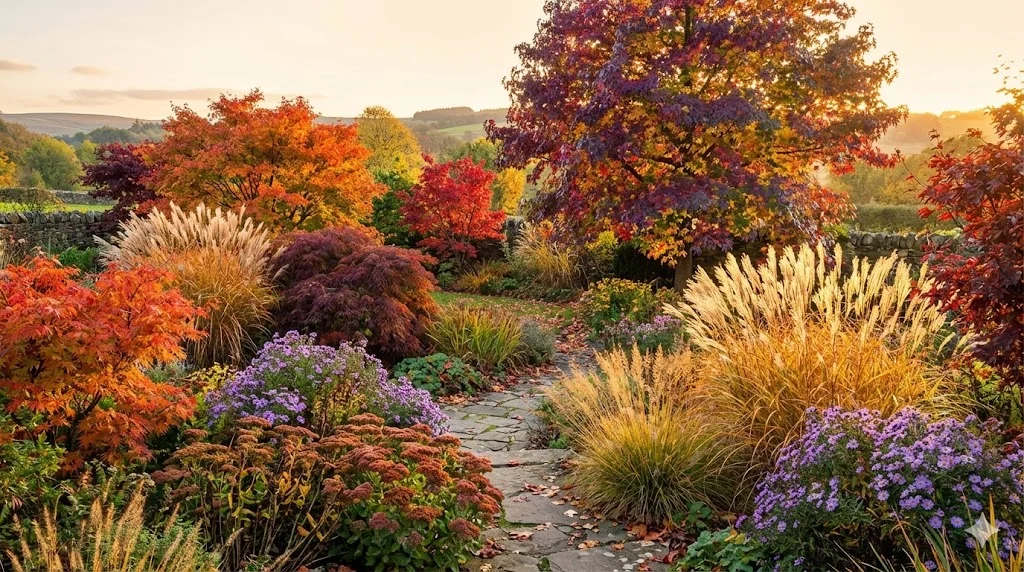
Designing for Autumn Color: Trees, Shrubs, and Perennials
Design for spectacular autumn color with the best trees, shrubs, and perennials for fall foliage including Japanese maples, ornamental grasses, and warm palettes.