
Summer Garden Design: Color, Shade, and Outdoor Living
Design a stunning summer garden with expert tips on color schemes, shade solutions, heat-tolerant plants, and outdoor living spaces for entertaining.
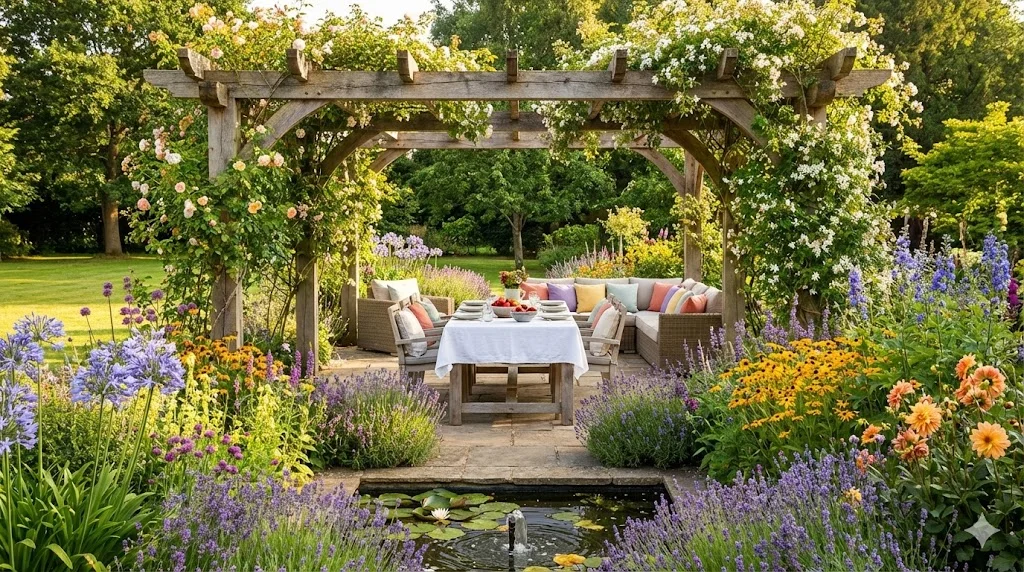
Summer Garden Design: Color, Shade, and Outdoor Living
Summer is when your garden becomes a living room, a dining room, and a retreat all at once. The long days, warm evenings, and generous light transform outdoor space into something that feels almost limitless. But summer also brings its challenges — scorching heat, drought stress, and the pressure of keeping borders looking fresh when the thermometer climbs. Thoughtful summer garden design addresses all of this, creating spaces that are beautiful, comfortable, and resilient through the hottest months.
This guide covers the essential elements of summer garden design — from choosing the right colour palette and managing shade to creating outdoor living areas that work for entertaining, relaxing, and everything in between.
Designing with Summer Colour
Summer offers the richest palette of the year, but that abundance can lead to visual chaos if colour is not managed thoughtfully. The most successful summer borders work with a deliberate colour scheme rather than a haphazard mix of everything in bloom.
Warm Colour Schemes
Reds, oranges, and yellows create energy and drama. Use these where you want to draw attention or create a sense of warmth:
- Crocosmia 'Lucifer' — fiery red, mid to late summer
- Helenium — shades of copper, gold, and amber
- Dahlia 'Bishop of Llandaff' — scarlet flowers with dark bronze foliage
- Rudbeckia — golden yellow daisies that glow in late-summer light
- Kniphofia (Red Hot Poker) — vertical torches of orange and yellow
Cool Colour Schemes
Blues, purples, and whites create calm and a sense of space. These combinations feel refreshing in heat and are particularly effective in smaller gardens:
- Agapanthus — tall stems of blue or white flowers
- Lavender — fragrant, pollinator-friendly, and drought-tolerant
- Salvia 'Mainacht' — deep violet-blue spikes in early summer
- Gaura — airy clouds of white or pink flowers that dance in the breeze
- Eryngium — steely blue thistle-like flowers with architectural presence
The Power of Foliage
In summer, foliage carries just as much weight as flowers. Silver foliage (Artemisia, Stachys) cools down hot schemes. Purple foliage (Heuchera 'Palace Purple', Cotinus) adds depth. Lime-green foliage (Hakonechloa, golden Philadelphus) lights up shady corners.
"The best summer borders are not just flower arrangements — they are compositions of colour, texture, and form that hold together even when individual plants fade."
Managing Heat and Shade
As summers grow warmer, shade is no longer a luxury — it is a design necessity. A well-shaded garden is more comfortable, more usable, and better for plants.
Trees for Summer Shade
Trees are the most natural and effective shade providers. Consider mature size carefully and position trees where shade is needed most — typically over seating areas and patios.
- Amelanchier lamarckii — multi-season interest with spring blossom, summer shade, and stunning autumn colour.
- Betula (birch) — light, dappled shade that allows underplanting.
- Gleditsia triacanthos 'Sunburst' — golden foliage, light shade, no heavy leaf fall.
Structures for Shade
Where trees are not practical, structures provide immediate shade:
- Pergolas — define space, support climbing plants, and filter light beautifully.
- Sail shades — modern, affordable, and easy to install and remove seasonally.
- Arbours and gazebos — create shaded destinations within the garden.
- Parasols and umbrellas — flexible and repositionable as the sun moves.
Shade-Loving Plants
Not every part of your garden receives full sun, and that is an advantage in summer. Shade borders can be lush and cool when planted with:
- Hostas (in rich, moist soil)
- Astilbes (feathery plumes in pink, red, and white)
- Ferns (Dryopteris, Polystichum, Athyrium)
- Heucheras (colourful evergreen foliage)
- Brunnera (forget-me-not flowers, striking leaves)
Designing Outdoor Living Spaces
Summer transforms the garden from something you look at into something you live in. The best summer garden designs treat outdoor spaces with the same care as interior rooms.
The Outdoor Dining Area
Position your dining area where it catches evening sun but has shade available for midday meals. Key considerations:
- Surface: A level, stable surface — paving, decking, or compacted gravel — makes dining comfortable.
- Proximity to the house: Easy access to the kitchen reduces the effort of outdoor meals.
- Lighting: Festoon lights, lanterns, or low-voltage garden lights extend dining into the evening.
- Planting: Surround the dining area with fragrant plants — jasmine, roses, lavender — to create an immersive sensory experience.
The Quiet Retreat
Every garden benefits from a quiet corner — a bench beneath a tree, a hammock in a shaded spot, or a reclined lounger surrounded by soft planting. Position this away from the main activity area and screen it with planting for privacy.
The Social Hub
If you entertain regularly, design a dedicated social area with ample seating, a fire pit or outdoor fireplace for cooler evenings, and robust planting that can tolerate foot traffic and activity nearby. When you experiment with your garden layout, you can test different arrangements of social and quiet zones before committing to a design.
Container Gardening in Summer
Containers are the flexible workhorses of summer garden design. They bring colour to patios, doorsteps, and areas where planting in the ground is not possible.
Winning Container Combinations
- Thriller, filler, spiller: A tall centrepiece (canna, cordyline), mid-height colour (geraniums, petunias), and trailing edges (trailing verbena, lobelia).
- Single-species drama: A large pot planted with a single dahlia variety, agapanthus, or ornamental grass makes a bold statement.
- Herb containers: Rosemary, basil, thyme, and mint in terracotta pots near the kitchen are beautiful and practical.
Container Care in Heat
Containers dry out fast in summer. Use the largest pots you can manage — they retain moisture better. Water early in the morning or in the evening, never in midday sun. Add water-retaining gel to compost and mulch the surface with gravel or bark.
Water in the Summer Garden
Water features add a dimension to summer gardens that nothing else can replicate. The sound of moving water cools the atmosphere, masks urban noise, and draws wildlife.
- A simple wall-mounted spout adds sound without taking up ground space.
- A shallow wildlife pond supports biodiversity and creates a reflective focal point.
- A contemporary rill — a narrow channel of flowing water — creates movement and links different areas of the garden.
Even a glazed pot filled with water and a few aquatic plants brings a sense of calm and attracts birds and insects.
Maintaining Summer Borders
Summer borders need regular attention to stay at their best. A little effort each week prevents the mid-August slump that afflicts neglected gardens.
- Deadhead regularly. Removing spent flowers encourages many perennials to produce a second flush.
- Water deeply and less often. A thorough soak twice a week is better than a daily sprinkle. Deep watering encourages deep roots.
- Stake early. Support tall perennials before they flop. Grow-through supports placed in May are invisible by July.
- Feed containers fortnightly. Liquid tomato feed works well for most flowering container plants.
- Cut back early flowerers. Plants like geraniums and delphiniums that finish in June can be cut back hard for a second flush in late summer.
"A summer garden is not a set piece — it is a living performance that rewards daily attention."
Planning Ahead: Summer into Autumn
The smartest summer garden designers are already thinking about autumn. As you enjoy your summer garden, note which areas will go quiet in September and October, and plan additions that will extend the display.
Late-season performers to interplant now include:
- Japanese anemones (August–October)
- Asters (September–November)
- Sedums (August–October, then winter seed heads)
- Ornamental grasses (peak in autumn, stand through winter)
For guidance on extending the season, see our post on bridging the late summer and early fall gap. And for the full seasonal picture, return to our year-round garden design guide.
Getting Started with Your Summer Garden
You do not need to redesign your entire garden to have a better summer. Start with these high-impact actions:
- Choose a colour scheme for one border and edit out plants that do not fit. Cohesion instantly elevates a planting scheme.
- Add one shade element. A single parasol, a well-placed tree, or a sail shade transforms how you use your garden in summer.
- Create a seating area. Even a simple bench with a few pots of lavender placed nearby creates an outdoor room.
Summer is the season when your garden repays your investment in planning and care. Design for colour, comfort, and connection to the outdoors, and your garden becomes the most used room in your home.
Garden Design Team
Expert garden designers sharing tips, inspiration, and practical advice for creating beautiful outdoor spaces.
Explore professional garden design
Scapiera is a paid professional garden-design application. See plans for included capabilities and availability.
Join the waitlistRelated articles
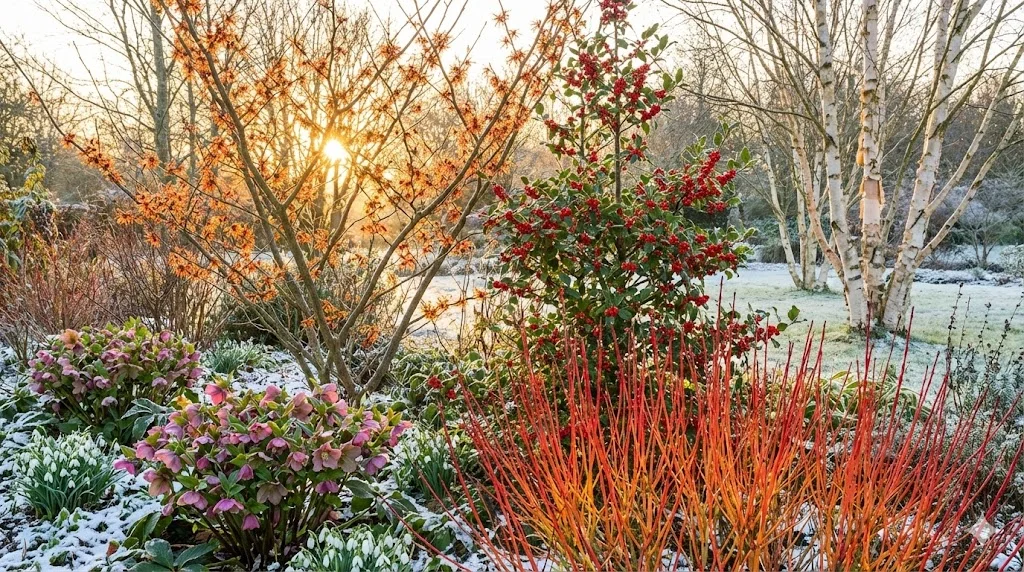
Best Plants for Winter Color and Berries
Discover the best plants for winter color and berries, including winterberry holly, dogwood stems, witch hazel, snowdrops, hellebores, and ornamental bark.
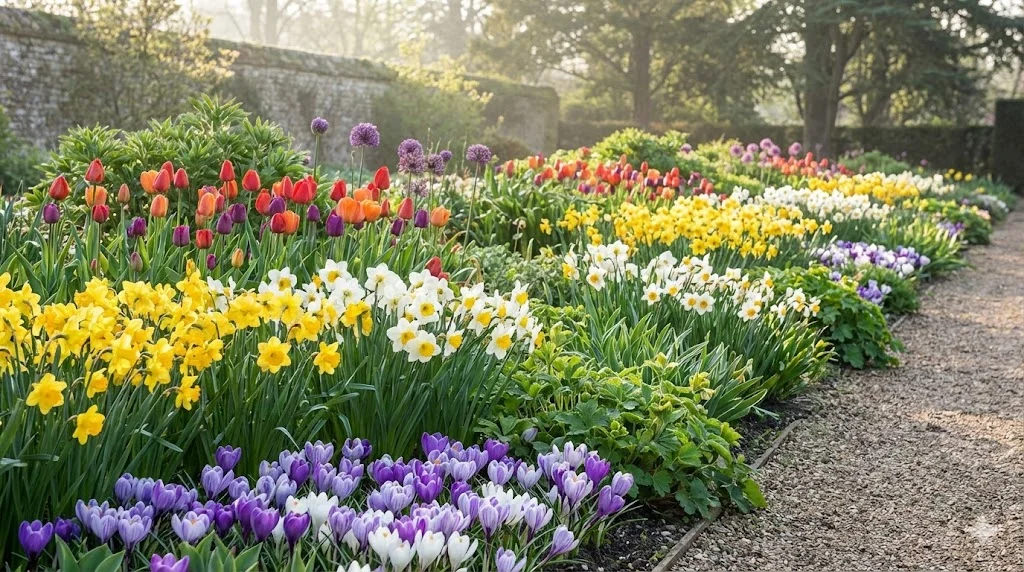
Best Spring Bulbs for Garden Design Impact
Discover the best spring bulbs for garden design impact, from tulips and alliums to layered bulb planting techniques for weeks of spectacular colour.
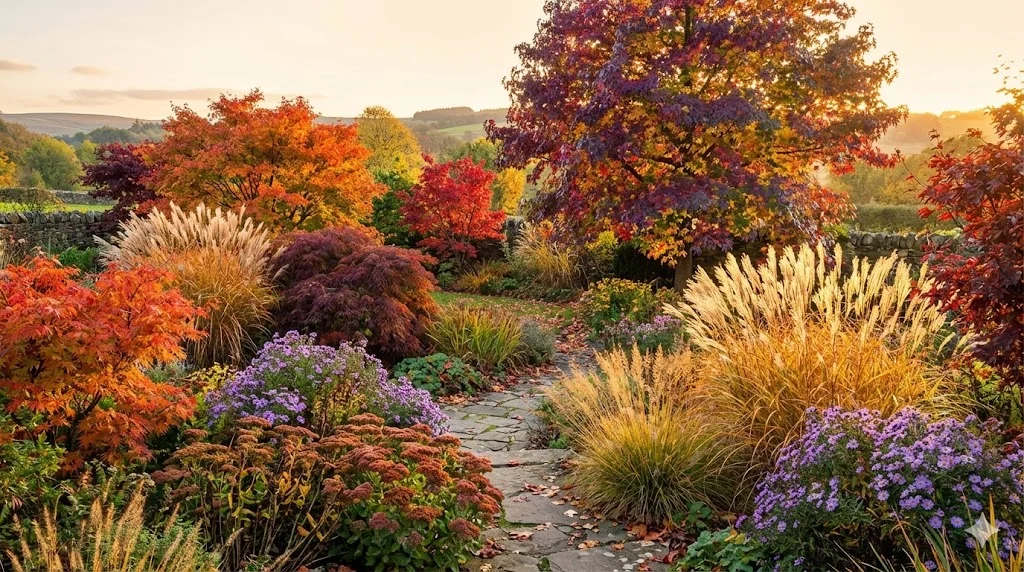
Designing for Autumn Color: Trees, Shrubs, and Perennials
Design for spectacular autumn color with the best trees, shrubs, and perennials for fall foliage including Japanese maples, ornamental grasses, and warm palettes.