
Garden Design for Canada
Design a resilient Canadian garden with extreme cold strategies, native prairie and boreal plants, short season planting, and wildlife-friendly garden design.
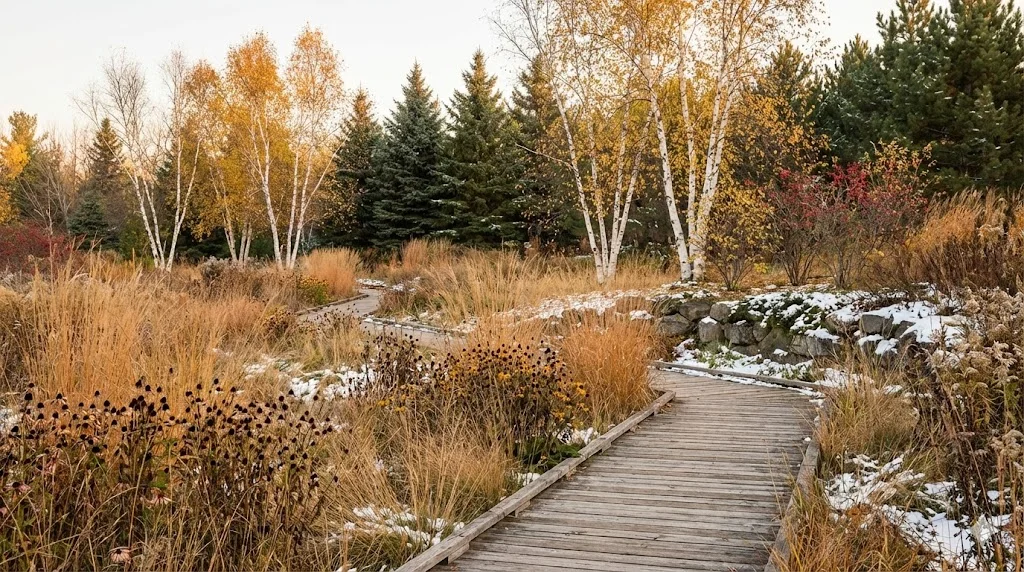
Garden Design for Canada
Canada stretches across nearly 10 million square kilometers, from the temperate rainforests of British Columbia to the frozen tundra of the Arctic, from the Maritime provinces of the east to the vast prairies of the interior. This enormous geographic range produces gardening conditions that vary from Zone 0 (where almost nothing survives outdoors) to Zone 9 (where Mediterranean plants thrive on the Pacific coast). What unites Canadian gardening is a shared relationship with cold — the long winters that define the growing season, shape plant selection, and reward gardeners who design for resilience.
This guide is part of our Garden Design for Your Climate Zone series. It covers the diverse climates, native plant palettes, and design strategies that help Canadian gardens succeed from coast to coast to coast. For more on cold-climate techniques, see our companion guide to garden design for cold climates in USDA Zones 3–5.
Canada's Climate Zones
Canada's Plant Hardiness Zone system (developed by Agriculture and Agri-Food Canada) is more detailed than the USDA system, accounting for factors beyond minimum temperature. Broadly:
- Pacific Coast (Vancouver, Victoria) — Zones 8–9 (USDA equivalent). Mild, maritime. Wet winters, dry summers. Canada's mildest gardening climate, similar to the Pacific Northwest US.
- Prairie provinces (Alberta, Saskatchewan, Manitoba) — Zones 1–4. Extreme cold, Chinook winds (Alberta), short growing seasons (90–130 days), alkaline soil, low precipitation.
- Central Canada (Ontario, Quebec) — Zones 3–6. Cold winters, warm humid summers, four distinct seasons, clay and loam soils. Southern Ontario (Zone 6) has the longest growing season in eastern Canada.
- Maritime provinces (New Brunswick, Nova Scotia, PEI, Newfoundland) — Zones 4–6. Maritime influence moderates temperatures. Cool summers, moderate winters (milder on the coast), acidic soil, fog.
- Northern Canada (Yukon, Northwest Territories, Nunavut) — Zones 0–2. Permafrost, extreme cold, midnight sun, ultra-short growing seasons.
Canadian gardening culture has a beautiful paradox at its heart: the shorter the growing season, the more intensely it is celebrated. No one appreciates a blooming garden more than someone who has waited through seven months of winter for it.
Native Canadian Plants
Canada's native flora provides the most climate-resilient foundation for garden design:
Prairie Natives
- Big bluestem (Andropogon gerardii) — The tallgrass prairie signature, Zone 2
- Prairie crocus (Anemone patens) — First wildflower of spring on the prairies, Zone 1
- Saskatoon berry (Amelanchier alnifolia) — White spring flowers, edible purple berries, brilliant fall color, Zone 1
- Buffalo berry (Shepherdia argentea) — Silver foliage, orange berries, nitrogen-fixing, Zone 1
- Wolf willow (Elaeagnus commutata) — Silver leaves, intensely fragrant yellow flowers, Zone 1
- Blue grama grass (Bouteloua gracilis) — Native shortgrass, minimal water, Zone 2
Boreal Forest Natives
- White spruce (Picea glauca) — Hardy to Zone 1, the Canadian boreal icon
- Jack pine (Pinus banksiana) — Tough, fire-adapted, Zone 1
- Paper birch (Betula papyrifera) — White bark, golden fall color, Zone 2
- Bunchberry (Cornus canadensis) — Dogwood relative, white flowers, red berries, ground cover, Zone 1
- Wild blueberry (Vaccinium angustifolium) — Low-growing, edible, red fall color, Zone 2
- Labrador tea (Rhododendron groenlandicum) — Aromatic evergreen, white flowers, Zone 1
Eastern Canadian Natives
- Sugar maple (Acer saccharum) — The Canadian icon, spectacular fall color, Zone 3
- Eastern white cedar (Thuja occidentalis) — The backbone of Canadian hedging, Zone 2
- Trillium — Ontario's provincial flower, white or red spring blooms, Zone 3
- Virginia creeper (Parthenocissus quinquefolia) — Vigorous native vine, brilliant red fall color, Zone 2
- Winterberry holly (Ilex verticillata) — Red berries on bare stems against snow, Zone 3
Pacific Coast Natives
- Western red cedar (Thuja plicata) — Majestic native, Zone 5
- Sword fern (Polystichum munitum) — Evergreen, tough, Zone 5
- Salal (Gaultheria shallon) — Evergreen shrub, edible berries, Zone 5
- Red flowering currant (Ribes sanguineum) — Pink spring flowers, Zone 5
Short-Season Planting Strategies
With growing seasons ranging from 90 days on the prairies to 180+ days in southern Ontario, maximizing the available time is essential:
Extending the Season
- Start indoors — Seeds started indoors 6–8 weeks before the last frost date give plants a crucial head start
- Cold frames and cloches — Simple structures that warm soil and protect transplants in early spring and extend the season in fall
- Row covers — Lightweight fabric protects against late and early frosts without blocking light
- Season-extending varieties — Choose cultivars bred for short seasons: early-maturing vegetables, fast-blooming annuals
- Fall planting of bulbs — Plant spring-blooming bulbs in September–October for reliable early-season color
Concentrated Bloom Design
In short-season gardens, design for maximum visual impact during the peak months:
- Layer early, mid, and late bloomers so the garden is never without color during the growing season
- Use fast-maturing annuals to fill gaps between perennial bloom periods
- Choose plants with long bloom times: daylily, nepeta, geranium, echinacea, rudbeckia
- Include ornamental grasses that provide structure from midsummer through winter
When you plan your seasonal bloom sequence, you can ensure continuous color from the first crocus to the last aster.
Snow and Winter Considerations
Snow is both ally and adversary in Canadian gardens:
Benefits of Snow Cover
- Insulation — A consistent snow blanket maintains soil temperature near 0 C even when air temperature drops to -30 C or lower, protecting roots from freeze damage
- Moisture — Spring snowmelt provides the season's first deep watering
- Winter interest — Snow transforms the garden into a sculptural landscape of white forms
Snow Challenges
- Snow load — Heavy, wet snow crushes weak-structured plants. Choose flexible-stemmed species and pyramidal evergreens that shed snow.
- Ice damage — Freezing rain coats branches, adding enormous weight. Choose trees with strong wood: oak, birch, spruce.
- Frost heave — Freeze-thaw cycles push shallow-rooted plants out of the soil. Mulch heavily in fall after the ground freezes.
- Road salt — Salt spray from plowed roads damages plants along driveways and streets. Choose salt-tolerant species for these locations: rugosa rose, sumac, sea buckthorn.
Wildlife Coexistence
Canadian gardens share space with an abundance of wildlife — some welcome, some challenging:
Supporting Wildlife
- Bird-friendly design — Berry-producing shrubs (winterberry, serviceberry, viburnum), seed-bearing flowers left standing in winter, water sources
- Pollinator support — Native wildflowers, especially those blooming early and late in the short season
- Winter shelter — Evergreen hedges and brush piles provide essential winter cover for birds and small mammals
Managing Wildlife Challenges
- Deer — Widespread in suburban Canada. Use deer-resistant plants (lavender, daffodils, ornamental grasses, most conifers) and fencing where necessary.
- Rabbits — Protect young trees with wire mesh around trunks through winter
- Voles — Damage roots and bark under snow cover. Keep mulch pulled back from tree trunks.
- Moose — In rural areas, moose can devastate gardens. Tall, sturdy fencing is the only reliable deterrent.
- Geese — Large geese populations near urban water features can damage turf and plantings. Tall grasses and shrubs near water's edge discourage them.
Regional Design Approaches
Pacific Coast (BC)
Similar to the Pacific Northwest US. Rhododendrons, Japanese maples, hostas, ferns, and mossy woodland gardens thrive. See our guide to Pacific Northwest garden design.
Prairie Gardens (Alberta, Saskatchewan, Manitoba)
- Windbreaks of caragana, spruce, or poplar on the north and west sides
- Native prairie plantings of grasses and wildflowers
- Sheltered courtyard gardens behind buildings or fences
- Extremely drought-tolerant selections for the dry interior prairies
Central Canadian Gardens (Ontario, Quebec)
- Four-season borders similar to New England and Midwest traditions
- Sugar maple and oak as canopy trees
- Lilac — the most beloved shrub in central Canadian gardens
- Extensive vegetable gardening during the warm months
Maritime Gardens (Atlantic Canada)
- Wind and salt management for coastal gardens
- Acidic soil suited to rhododendrons, blueberries, and ferns
- Fog-tolerant plants for humid coastal conditions
- Shorter, cooler growing season than inland Ontario
The best Canadian gardens are deeply rooted in their specific region. A prairie garden should feel like the prairie — open, grassy, full of sky. A Maritime garden should feel like the coast — windswept, salt-tinged, punctuated with lupins and rugosa roses.
Getting Started: Your Canadian Garden Plan
- Know your zone — Canada's hardiness zone system is your essential first reference. Check Agriculture and Agri-Food Canada's online zone map.
- Start with native plants — They are proven survivors in your specific conditions.
- Design for winter first — If the garden looks beautiful in January, it will look beautiful all year. Place evergreens, bark interest, and structural elements before filling in summer perennials.
- Maximize your growing season — Start seeds indoors, use cold frames, and choose fast-maturing varieties.
- Protect against wind — Windbreaks are essential on the prairies and coast.
- Mulch heavily — Deep fall mulch protects roots from frost heave and extreme cold.
- Plant in spring or early fall — Give plants maximum time to establish before winter.
- Celebrate the short season — The brevity of the Canadian growing season makes each bloom more precious. Design for maximum impact during your peak months.
Canadian gardening is an act of optimism — the belief that beneath the snow, the roots are strong, and that warmth will return. The gardens that emerge from this optimism, year after year, are as diverse and beautiful as the country itself: from the moss-draped cedars of Vancouver Island to the wildflower meadows of the Rockies to the sugar maple groves of Quebec, Canadian gardens prove that cold is not a barrier to beauty — it is the canvas.
Garden Design Team
Expert garden designers sharing tips, inspiration, and practical advice for creating beautiful outdoor spaces.
Explore professional garden design
Scapiera is a paid professional garden-design application. See plans for included capabilities and availability.
Join the waitlistRelated articles
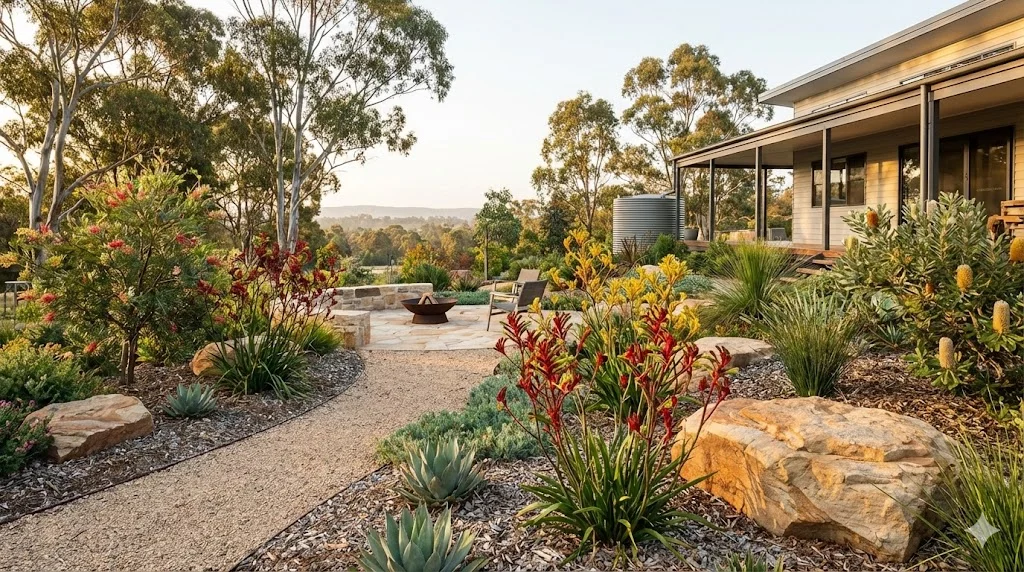
Garden Design for Australian Conditions
Design a resilient Australian garden with native plants, bushfire-safe landscaping, water-wise strategies, and solutions for subtropical to arid climates.
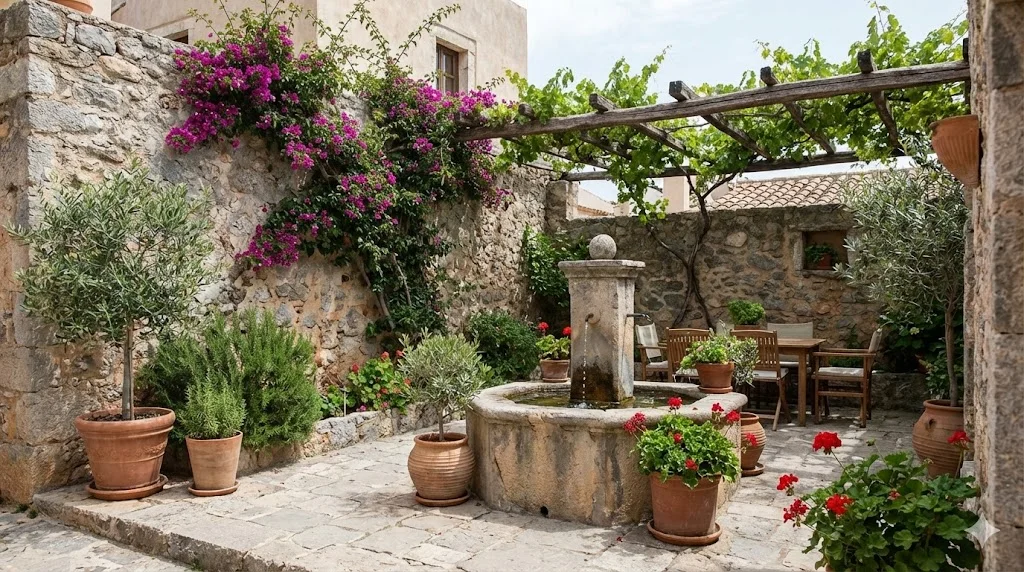
Garden Design for Coastal Mediterranean (Spain, Italy, Greece)
Design a stunning coastal Mediterranean garden with bougainvillea, citrus, courtyards, dry stone walls, and irrigation strategies for Spain, Italy, and Greece.
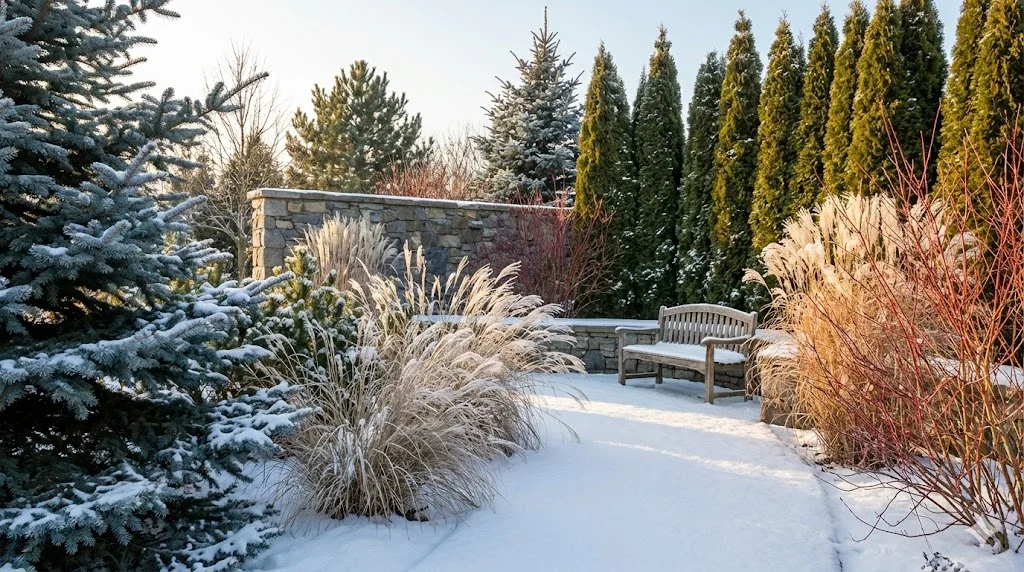
Garden Design for Cold Climates (USDA Zones 3–5)
Design a stunning cold climate garden in USDA Zones 3-5 with hardy plants, winter structure, wind protection, and strategies for short growing seasons.