
Garden Design for Australian Conditions
Design a resilient Australian garden with native plants, bushfire-safe landscaping, water-wise strategies, and solutions for subtropical to arid climates.
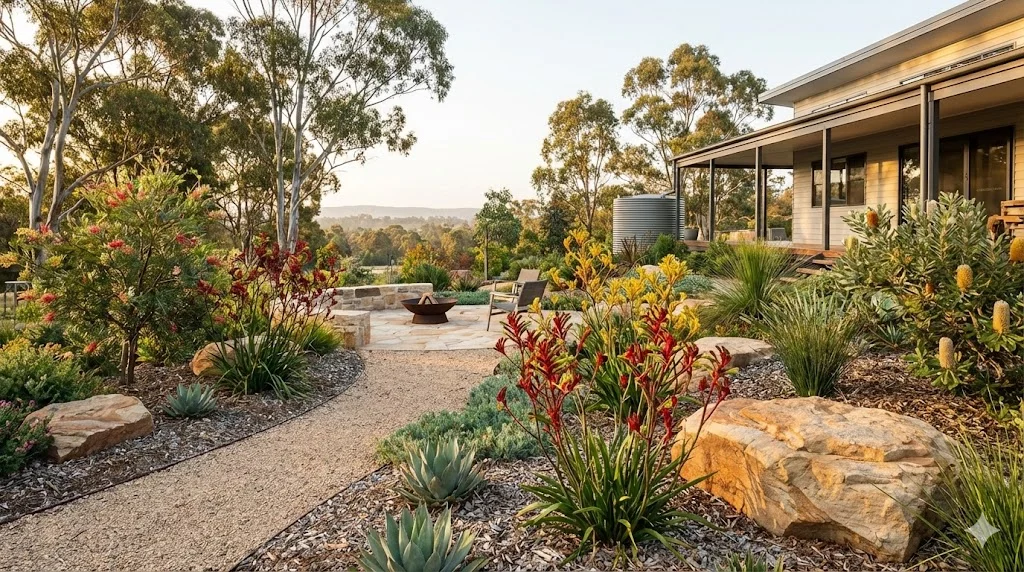
Garden Design for Australian Conditions
Australia presents garden designers with some of the most fascinating and challenging conditions on earth. A continent that stretches from tropical rainforest to arid red desert, from temperate coastline to alpine snowfields, Australia defies any single gardening prescription. What unites Australian gardening is a shared set of pressures — water scarcity, fire risk, intense sun, and ancient, nutrient-poor soils — and a growing appreciation for the extraordinary beauty of the native flora.
This guide is part of our Garden Design for Your Climate Zone series. It covers the principles and plant choices that help Australian gardens thrive, from the subtropical coast of Queensland to the dry interior, from the Mediterranean climate of Perth and Adelaide to the cooler conditions of Melbourne, Hobart, and the highlands.
Australia's Climate Zones at a Glance
Australia spans multiple climate zones, each demanding a different approach:
- Tropical (far north Queensland, Top End) — Hot and humid year-round, distinct wet and dry seasons. Monsoon rain from November to April. USDA equivalent: Zones 11–13.
- Subtropical (southeast Queensland, northern NSW) — Warm, humid summers; mild, dry winters. Frost-free in coastal areas. USDA equivalent: Zones 9b–11.
- Temperate (Sydney, Melbourne, Adelaide, Hobart) — Moderate rainfall, distinct seasons, occasional frost inland. USDA equivalent: Zones 8b–10a.
- Mediterranean (Perth, Adelaide, parts of Victoria) — Hot, dry summers; cool, wet winters. Similar to Southern California. USDA equivalent: Zones 9–10. Many of the same design principles that apply to garden design in Mediterranean climates worldwide work beautifully in these regions.
- Arid and semi-arid (interior) — Extreme heat, very low rainfall, alkaline soils. USDA equivalent: Zones 9–11.
- Alpine (Snowy Mountains, Tasmanian highlands) — Cold winters with snow, cool summers. USDA equivalent: Zones 6–7.
No matter where you garden in Australia, water is the story. Designing for water efficiency is not optional — it is the foundation of every successful Australian garden.
Designing with Native Australian Plants
Australia's native flora is one of the world's great botanical treasures. Evolved in isolation for millions of years on ancient, phosphorus-poor soils, Australian plants have developed extraordinary adaptations: tough, leathery leaves, deep root systems, fire-responsive flowering, and an incredible diversity of form and color.
Stars of the Native Garden
- Kangaroo paw (Angiozanthos) — Vivid red, orange, yellow, or green fuzzy flowers on tall stems. Iconic, drought-tolerant, bird-attracting.
- Grevillea — Hundreds of species from ground covers to large trees. Spider-like flowers in every warm color. Essential for honeyeaters.
- Banksia — Cylindrical flower spikes in yellow, orange, and red. Sculptural seedpods. Fire-adapted.
- Waratah (Telopea) — Spectacular red or pink flower heads. The floral emblem of New South Wales.
- Eucalyptus — From towering forest trees to small mallee shrubs. Beautiful bark, aromatic foliage, essential habitat.
- Callistemon (bottlebrush) — Bright red, pink, or white brushlike flowers. Hardy, fast-growing, bird magnet.
- Westringia — Australian rosemary look-alike. Low, rounded, excellent for hedging. Drought and salt tolerant.
- Lomandra — Strappy-leaved, clumping grass-like plants. Bulletproof, versatile, excellent mass planting.
- Correa — Bell-shaped flowers in red, green, pink, or cream. Compact shrubs perfect for dry shade.
Designing with Natives
A common misconception is that native gardens must look "wild" or "bush-like." In reality, Australian native plants lend themselves to every design style — formal hedging (Westringia, Lilly Pilly), contemporary massing (Lomandra, Dianella), cottage abundance (Grevillea, Correa), and minimalist sculpture (Xanthorrhoea, Banksia).
The key principles for native plant design:
- Low phosphorus fertilizer — Most Australian natives are adapted to phosphorus-poor soils and can be damaged by standard fertilizers
- Minimal irrigation once established — Native plants develop deep, efficient root systems when not overwatered during establishment
- Pruning for density — Many natives (Grevillea, Callistemon, Westringia) respond well to regular light pruning, which keeps them compact and floriferous
- Mulch with organic matter — Eucalyptus bark, leaf litter, or recycled timber mulch suppresses weeds, retains moisture, and mimics natural conditions
Bushfire-Safe Garden Design
For millions of Australians, bushfire risk is a real and present design consideration. A well-designed garden can significantly reduce the risk to your home while remaining beautiful.
Key principles of bushfire-safe (BAL-rated) garden design:
- Defensible space — Maintain a clear zone of at least 10 m around structures, with low, well-watered vegetation or non-combustible surfaces
- Fuel reduction zones — Remove dead wood, leaf litter, and bark accumulation near structures
- Low-flammability plants — Choose species with high moisture content, low oil content, and limited dead material retention:
- Succulents (Agave, Aloe, Echeveria)
- Lomandra and Dianella (strappy-leaved ground covers)
- Deciduous trees (lower fuel load than dense evergreens)
- Mown lawn (acts as a green firebreak)
- Avoid highly flammable species near structures — Plants with high oil content (some Eucalyptus, Hakea, Melaleuca) or that retain dead material should be planted further from buildings
- Non-combustible hardscape — Gravel, stone, and concrete paths around buildings create firebreaks
- Radiant heat barriers — Stone walls, metal screens, and masonry can shield garden areas from radiant heat
Bushfire safety and garden beauty are not mutually exclusive. A well-designed fire-smart garden uses succulent plantings, stone mulch, and strategic open space to create a contemporary, sculptural landscape that happens to also be resilient.
Water-Wise Design for Australian Gardens
Water restrictions are a recurring reality across much of Australia. Water-wise garden design is not a trend — it is a necessity.
Strategies for Water Efficiency
- Hydrozoning — Group plants by water need. Place the few plants that need regular watering in a dedicated zone with targeted irrigation; let the rest fend for themselves
- Mulch heavily — 75–100 mm (3–4 inches) of coarse organic mulch reduces evaporation by up to 70%
- Rainwater harvesting — Tanks connected to roof gutters capture winter and storm rain for summer use
- Greywater reuse — Redirect laundry and bathroom water to garden irrigation (compliant with local regulations)
- Drip irrigation — Delivers water directly to root zones with minimal waste
- Soil improvement — Adding comite, bentonite clay, or organic matter to sandy soils improves water retention
- Reduce lawn — Replace ornamental lawn with native ground covers, gravel, or permeable paving
When you plan your garden zones and irrigation layout, you can ensure every plant gets the right amount of water without waste.
Drought-Tolerant Plant Choices
Beyond natives, many international plants thrive in Australian conditions:
- Lavender — Mediterranean native, loves Australian sun and drainage. For more drought-tolerant plant ideas, see our guide to garden design for hot and dry climates
- Agave and Aloe — Sculptural succulents for contemporary gardens
- Rosemary — Edible, fragrant, drought-proof
- Olive — Elegant tree for Mediterranean-style gardens
- Bougainvillea — Vivid color for warm-climate gardens, extremely drought-tolerant once established
- Ornamental grasses — Pennisetum, Miscanthus, and native Poa all perform well
Subtropical Garden Design (Queensland, Northern NSW)
Subtropical Australia offers year-round growth and an exuberant plant palette:
- Tropical foliage — Frangipani, bird of paradise, heliconia, bromeliads, and palms create a lush, resort-like feel
- Shade management — Canopy trees are essential to reduce heat and create comfortable outdoor living spaces
- Drainage — Heavy summer storms deliver intense rainfall. Design for rapid drainage with swales, rain gardens, and raised beds
- Pest management — Warm, humid conditions favor insects and fungal disease. Choose resistant varieties and ensure good air circulation
Temperate Garden Design (Melbourne, Sydney, Adelaide)
Temperate southern Australia offers the widest plant palette on the continent:
- English-style borders — The mild, relatively moist conditions of Melbourne and parts of Sydney support classic border perennials
- Edible gardens — Temperate fruits (citrus, stone fruit, apples), vegetables, and herbs all thrive
- Native-exotic blends — Mixing Australian natives with compatible international plants creates gardens that are both beautiful and ecologically valuable
- Frost management — Inland gardens may need frost protection for subtropical species
Soil Challenges and Solutions
Australian soils are among the oldest and most nutrient-depleted on earth. Common challenges include:
- Sandy soils (coastal) — Drain too fast, low nutrients. Improve with organic matter and wetting agents.
- Clay soils (inland) — Heavy, poorly drained when wet, brick-hard when dry. Improve with gypsum and organic matter.
- Alkaline soils (limestone regions) — Limit plant selection. Use raised beds with imported acidic soil for acid-loving plants.
- Hydrophobic soils — Many Australian soils repel water when dry. Use wetting agents and organic mulch to improve infiltration.
Getting Started: Your Australian Garden Plan
- Identify your climate zone — Australia spans at least six distinct climate zones. Know yours before selecting a single plant.
- Check your fire rating — If you are in a bushfire-prone area, understand your BAL (Bushfire Attack Level) rating and design accordingly.
- Audit your water — Calculate how much water your garden uses and set a reduction target. Install a rainwater tank if you have not already.
- Embrace native plants — Build the foundation of your garden with proven Australian natives, then layer in compatible exotics.
- Improve your soil — Test your soil and amend it appropriately. Australian soils almost always benefit from organic matter.
- Mulch everything — Deep organic mulch is the single most effective improvement you can make to any Australian garden.
- Design for outdoor living — Australians live outdoors. Design your garden as an extension of your home, with shade, seating, and practical zones for cooking, eating, and relaxing.
The Australian garden is evolving rapidly. A generation ago, the default was English-style lawn and roses. Today, the most exciting Australian gardens draw on the continent's unique flora, respect its climate realities, and create landscapes that are both beautiful and sustainable — gardens that look like they belong exactly where they are.
Garden Design Team
Expert garden designers sharing tips, inspiration, and practical advice for creating beautiful outdoor spaces.
Explore professional garden design
Scapiera is a paid professional garden-design application. See plans for included capabilities and availability.
Join the waitlistRelated articles
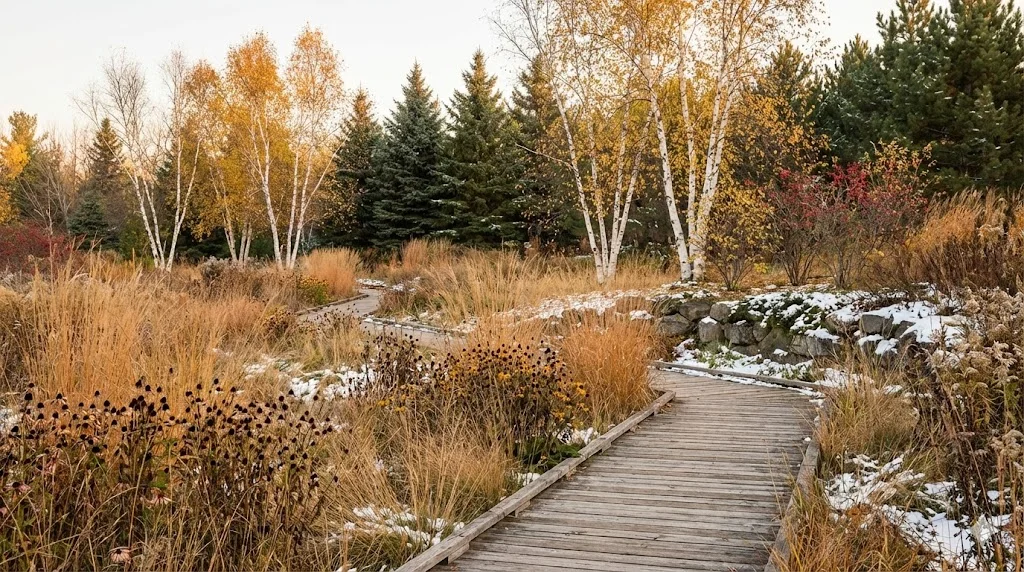
Garden Design for Canada
Design a resilient Canadian garden with extreme cold strategies, native prairie and boreal plants, short season planting, and wildlife-friendly garden design.
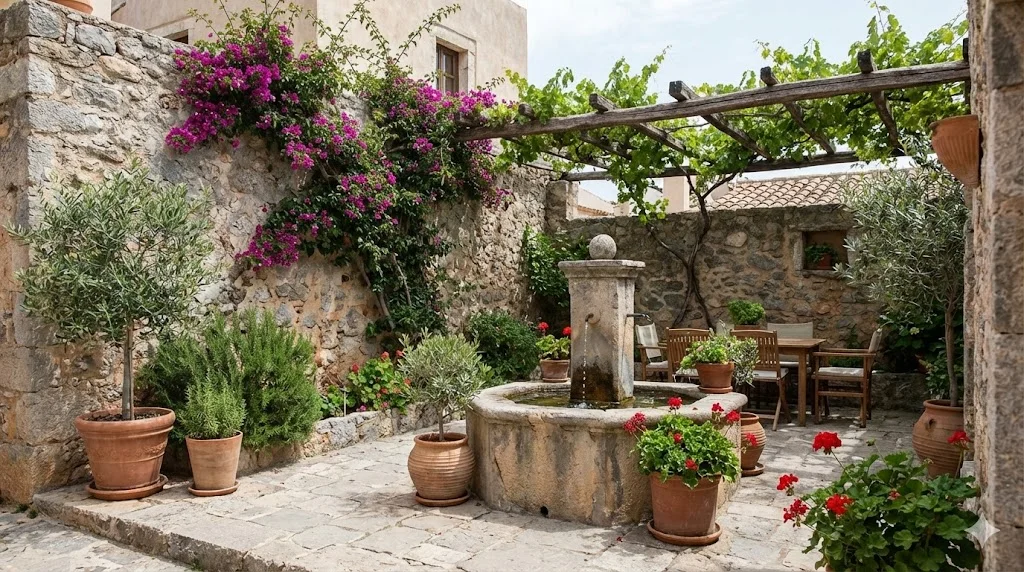
Garden Design for Coastal Mediterranean (Spain, Italy, Greece)
Design a stunning coastal Mediterranean garden with bougainvillea, citrus, courtyards, dry stone walls, and irrigation strategies for Spain, Italy, and Greece.
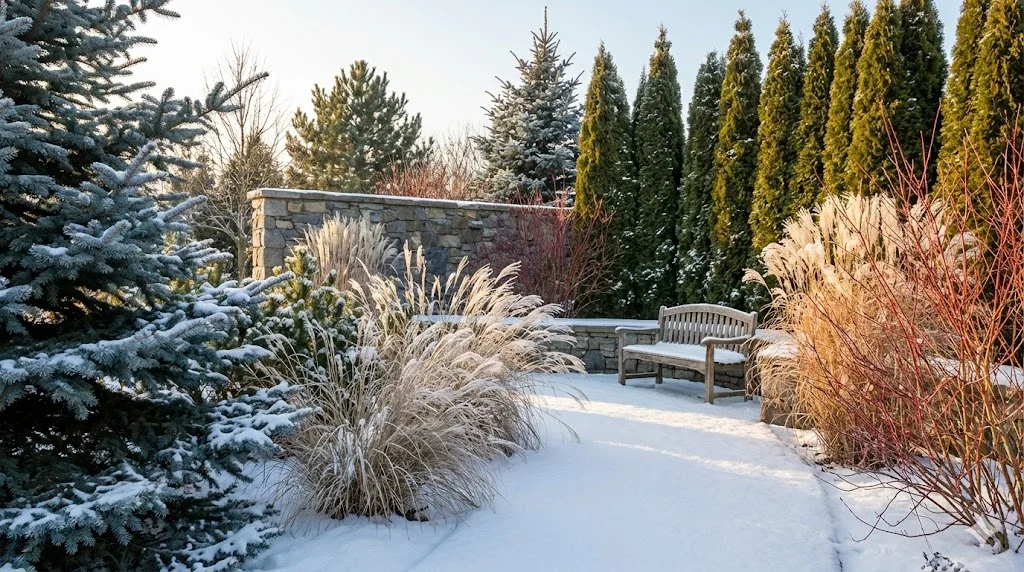
Garden Design for Cold Climates (USDA Zones 3–5)
Design a stunning cold climate garden in USDA Zones 3-5 with hardy plants, winter structure, wind protection, and strategies for short growing seasons.