
Garden Design for Your Climate Zone: Complete Guide
Master garden design for your climate zone with USDA hardiness maps, regional plant picks, and climate-smart strategies for every garden worldwide.
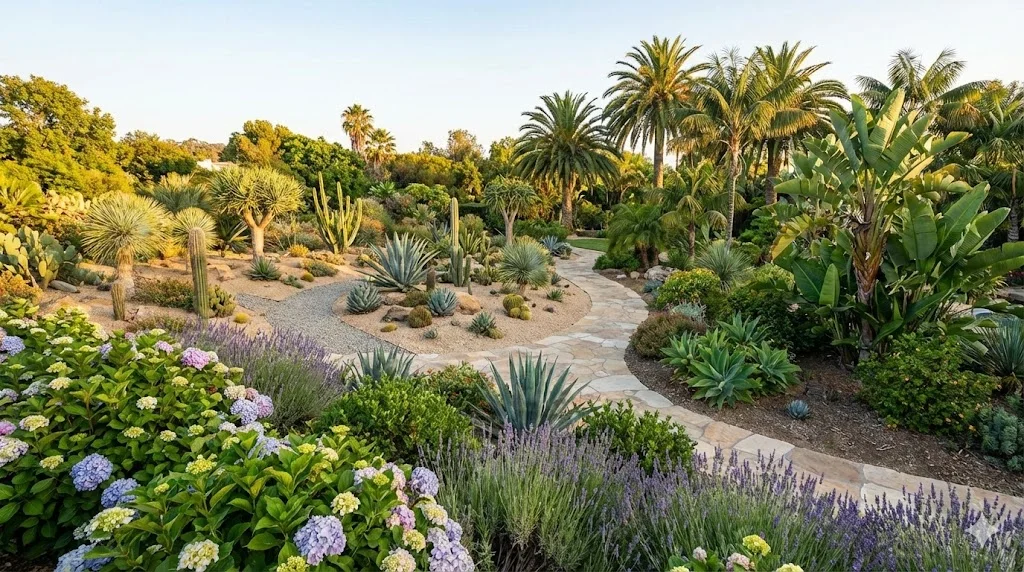
Garden Design for Your Climate Zone: Complete Guide
Every beautiful garden begins with a single honest question: what will actually thrive here? Climate is the invisible architect of every landscape. It dictates which plants flourish, which materials endure, and which design strategies succeed. Understanding your climate zone transforms garden design from guesswork into a confident, creative process — and it is the single most important step you can take before placing a single plant in the ground.
This guide walks you through the world's major climate classifications, explains the USDA Plant Hardiness Zone system, and links you to in-depth regional guides covering 24 distinct climates and geographies. Whether you garden in the frosty reaches of Scandinavia, the scorching deserts of Arizona, or the humid tropics of Southeast Asia, your climate zone holds the key to a garden that looks stunning year after year.
What Is a Climate Zone?
A climate zone is a geographic area defined by consistent weather patterns — temperature ranges, rainfall, humidity, frost dates, and seasonal light levels. These patterns determine which plants can survive and which design approaches work best.
The most widely used system for gardeners is the USDA Plant Hardiness Zone Map, which divides North America (and by extension, the world) into 13 primary zones based on average annual minimum winter temperatures. Zone 1 is the coldest (below -51 C / -60 F) and Zone 13 is the warmest (above 15.5 C / 60 F). Each zone spans a 5.5 C (10 F) range and is further divided into "a" and "b" subzones.
But temperature alone does not tell the full story. Two gardens in the same USDA zone can feel completely different if one receives 1,500 mm of rain per year and the other receives 200 mm. That is why experienced garden designers also consider:
- Koppen climate classification — categorizes climates by temperature and precipitation patterns (tropical, arid, temperate, continental, polar)
- Sunset Climate Zones — a more granular system used in the western United States that accounts for humidity, elevation, and maritime influence
- Frost-free days — the length of your growing season
- Heat zones — the American Horticultural Society's heat zone map tracks days above 30 C (86 F), which matters as much as cold hardiness for many plants
- Rainfall distribution — whether rain falls evenly year-round or concentrates in wet and dry seasons
The best garden designers treat climate not as a limitation but as a design brief. Your zone tells you what palette you have to work with — and that palette is always richer than you expect.
Why Climate-Smart Design Matters
Designing with your climate rather than against it delivers practical benefits that compound over time:
- Lower maintenance — Plants suited to your conditions need less watering, less feeding, and less winter protection.
- Lower water bills — A climate-appropriate garden in a dry region can use 50–75% less water than a conventional lawn-and-border design.
- Fewer plant losses — No more watching expensive specimens die in their first winter or wilt in their first summer.
- Year-round interest — Climate-smart planting plans work with your seasonal rhythm, ensuring there is always something beautiful to see.
- Ecological value — Native and climate-adapted plants support local pollinators, birds, and beneficial insects.
- Resilience — As weather patterns become more extreme, gardens designed for their climate cope better with drought, flooding, and temperature swings.
When you plan your garden layout with climate in mind, you set yourself up for long-term success rather than an endless cycle of replacing plants that were never right for your conditions.
Understanding USDA Hardiness Zones
The USDA system is the starting point for plant selection worldwide. Here is a simplified overview of the 13 primary zones and the kinds of gardens they support:
Zones 1–3: Extreme Cold
Average minimum temperatures below -34 C (-30 F). Short growing seasons of 90–120 days. Gardens here rely on ultra-hardy perennials, native shrubs, and careful site selection to exploit microclimates. Windbreaks and snow fences are essential design elements.
Zones 4–6: Cold to Cool Temperate
Minimum temperatures from -34 C to -23 C (-30 F to -10 F) in Zone 4, warming to -23 C to -12 C (-10 F to 10 F) in Zone 6. This range covers much of the northern United States, southern Canada, and parts of northern Europe. Four-season gardens thrive here with proper plant selection — think spring bulbs, summer perennials, fall color, and winter structure from evergreens and ornamental bark.
Zones 7–8: Moderate Temperate
Minimum temperatures from -17 C to -6.5 C (0 F to 20 F). The sweet spot for gardening in much of the UK, the Pacific Northwest, and the mid-Atlantic US. An enormous range of plants thrives in these zones, from classic English border perennials to many Mediterranean herbs and shrubs.
Zones 9–10: Warm Temperate to Subtropical
Minimum temperatures from -6.5 C to 1.5 C (20 F to 35 F). Frost is rare or absent. These zones support citrus, palms, bougainvillea, and a dazzling array of subtropical plants. Water management — either conserving it or draining excess — becomes the primary design challenge.
Zones 11–13: Tropical
Minimum temperatures above 4.5 C (40 F). Year-round growth is possible. The design challenge shifts to managing exuberant growth, creating shade, and handling monsoon-level rainfall. Tropical gardens reward bold foliage, dramatic scale, and layered canopies.
Beyond Hardiness: The Six Climate Factors That Shape Garden Design
Knowing your USDA zone is essential, but six additional factors refine your design approach:
1. Rainfall and Its Timing
A garden receiving 800 mm of rain spread evenly across the year needs a completely different design from one receiving 800 mm concentrated in a four-month monsoon season followed by eight dry months. Seasonal rainfall patterns determine whether you need irrigation infrastructure, rain gardens, swales, or drought-tolerant plantings — or all of the above.
2. Humidity
High humidity promotes lush growth but also fungal disease. Low humidity allows crisp, architectural plantings but demands drought-adapted species. Your design should account for air circulation, plant spacing, and material choices accordingly.
3. Wind
Persistent wind — coastal, mountain, or prairie — shapes plants physically and increases water loss. Windbreaks, hedgerows, and strategic fencing are design tools as important as plant selection in windy climates.
4. Soil Type
Climate and soil are deeply connected. Arid climates tend toward alkaline, mineral soils. Humid climates produce acidic, organic-rich soils. Understanding your soil's pH, drainage, and fertility narrows your plant palette and highlights which amendments (if any) are worthwhile.
5. Day Length and Light Intensity
Latitude affects how many hours of sunlight your garden receives, which in turn affects flowering triggers, growth rates, and the ability of plants to photosynthesize enough energy to survive winter. Northern gardens receive intense but brief summer light; equatorial gardens receive consistent light year-round.
6. Microclimates
Within every garden, microclimates exist — a south-facing wall that absorbs heat, a low spot where cold air pools, a sheltered courtyard that is a full zone warmer than the exposed front garden. Skilled designers exploit microclimates to push the boundaries of what their zone can grow.
Think of your climate zone as the broad brushstroke and your microclimates as the fine detail. Together, they create a planting plan that is both resilient and adventurous.
Designing for Your Climate: A Step-by-Step Framework
No matter where you garden, this framework will help you create a climate-smart design:
- Identify your zone — Use the USDA map, the RHS hardiness ratings (for the UK), or your country's equivalent.
- Assess your site — Note sun exposure, wind direction, drainage patterns, and existing microclimates.
- Define your seasonal rhythm — When is your peak growing season? When does your garden need to look good passively (structure, evergreens, bark)?
- Choose a regional plant palette — Start with native plants and proven performers for your area, then add carefully chosen non-natives that share similar climate origins.
- Design for water — In wet climates, plan for drainage. In dry climates, plan for conservation. In seasonal climates, plan for both.
- Plan for extremes — Design for your worst winter and your hottest summer, not just the average.
- Layer your planting — Canopy trees, understory, shrubs, perennials, ground cover. Layering maximizes resilience and year-round interest.
When you are ready to translate your climate research into a spatial plan, visualizing your garden layout in three dimensions helps you see how seasonal light, shade patterns, and plant heights interact before you start planting.
Regional and Climate Guides: Your In-Depth Resources
The following 24 guides dive deep into specific climates and regions, giving you plant lists, design strategies, and practical advice tailored to your conditions. Click through to the guide that matches your garden:
Cold and Cool Climates
- Garden Design for Cold Climates (USDA Zones 3–5) — Short seasons, winter structure, snow-load planting, and windbreaks.
- Garden Design for the Midwest (USDA Zones 4–6) — Prairie plants, clay soil strategies, and tornado-resistant trees.
- Garden Design for Canada — Extreme cold, boreal plants, short growing seasons, and wildlife coexistence.
- Garden Design for Scandinavia — Midnight sun, extreme winters, hardy perennials, and winter interest.
- Garden Design for New England — Four distinct seasons, fall color, stone walls, and woodland gardens.
Temperate and Maritime Climates
- Garden Design for the UK and Northern Europe — Maritime climate, year-round borders, cottage and formal traditions.
- Garden Design for Germany and Central Europe — Kleingarten tradition, four-season borders, structured yet naturalistic design.
- Garden Design for the Pacific Northwest — Wet winters, dry summers, native PNW plants, and moss gardens.
- Garden Design for the Mid-Atlantic US — Humid summers, variable winters, native deciduous forests, and four-season interest.
Hot and Dry Climates
- Garden Design for Hot and Dry Climates — Xeriscaping, shade structures, water harvesting, and heat-tolerant plants.
- Garden Design for Southern California — Mediterranean climate, fire-safe landscaping, and succulent gardens.
- Garden Design for the Desert Southwest (Arizona, New Mexico) — Monsoon rains, extreme heat, native agave, and water harvesting.
- Garden Design for Colorado and the Mountain West — High altitude, intense sun, alkaline soil, and xeric plants.
- Garden Design for Texas — Heat extremes, clay soil, wildflower meadows, and water-wise strategies.
Mediterranean Climates
- Garden Design for Mediterranean Climates — Dry summers, mild winters, lavender, olive, and gravel mulch.
- Garden Design for Coastal Mediterranean (Spain, Italy, Greece) — Bougainvillea, citrus, courtyards, and dry stone walls.
Subtropical and Tropical Climates
- Garden Design for Florida — Tropical and subtropical, hurricane resistance, salt tolerance, and high humidity.
- Garden Design for the Southeast US — Red clay, magnolias, azaleas, long growing seasons, and heat with rain.
- Garden Design for Tropical Climates — Year-round growth, monsoon drainage, shade canopy, and exotic fruit.
- Garden Design for Hawaii — Volcanic soil, tropical abundance, trade winds, and native Hawaiian plants.
- Garden Design for India — Monsoon management, Mughal heritage, terrace gardens, and heat-tolerant ornamentals.
Southern Hemisphere and Unique Climates
- Garden Design for Australian Conditions — Bushfire zones, water restrictions, native plants, subtropical vs arid.
- Garden Design for South Africa — Fynbos, Karoo succulents, water-wise Cape gardens, and indigenous planting.
- Garden Design for Japan — Four-season appreciation, cherry blossom framing, moss, bamboo, and rainy season drainage.
Climate Change and Future-Proofing Your Garden
Climate zones are not static. Over the past three decades, many regions have shifted half a zone or more warmer. What this means for garden design:
- Plant for the future, not just the present — Consider plants rated one half-zone warmer than your current zone.
- Increase water resilience — Even in traditionally wet climates, drought periods are becoming more common. Mulching, rainwater harvesting, and drought-tolerant underlayers are wise investments everywhere.
- Diversify your plant palette — Monocultures are vulnerable. A diverse planting with species from multiple climate origins is more likely to include survivors if conditions shift.
- Prioritize soil health — Healthy, organic-rich soil retains more moisture in drought and drains better in flood. It is the ultimate climate buffer.
The most climate-resilient gardens are those that combine deep local knowledge with a willingness to experiment. Your climate zone is your starting point, not your ceiling.
Matching Garden Styles to Climate
Certain design styles have evolved in specific climates and work best when returned to their origins — or to places with similar conditions:
- Cottage gardens — Temperate, maritime climates with reliable summer rainfall (UK, Pacific Northwest, New England)
- Mediterranean gardens — Hot, dry summers and mild, wet winters (Southern California, coastal Spain, South Australia)
- Prairie and meadow gardens — Continental climates with hot summers and cold winters (Midwest, central Europe)
- Japanese gardens — Humid, four-season climates with distinct rainy periods (Japan, Southeast US, Pacific Northwest)
- Desert gardens — Arid and semi-arid climates with extreme heat (Southwest US, Middle East, central Australia)
- Tropical gardens — Equatorial and near-equatorial climates with year-round warmth and rainfall (Hawaii, Southeast Asia, coastal Brazil)
- Formal parterre gardens — Moderate climates where boxwood and yew hedging thrives (France, mid-Atlantic US, southern England)
When you select a garden style that aligns with your climate, maintenance drops, plants thrive, and the garden feels authentically rooted in its place.
Tools for Identifying Your Climate Zone
Several free resources help you pinpoint your zone:
- USDA Plant Hardiness Zone Map (planthardiness.ars.usda.gov) — The standard for North America
- RHS Hardiness Ratings (rhs.org.uk) — The UK and Ireland standard
- Plantmaps.com — Interactive hardiness maps for Europe, Australia, and other regions
- Your local cooperative extension or horticultural society — Often the best source of hyper-local climate data
Once you know your zone, experimenting with different garden layouts allows you to test how climate-appropriate plants work together in your specific space before committing to a design.
Getting Started: Your Climate-Smart Action Plan
Ready to design a garden that works with your climate? Here is your action plan:
- Look up your USDA zone (or equivalent) and note it along with your average annual rainfall, frost dates, and prevailing wind direction.
- Read the regional guide from the list above that most closely matches your garden's location.
- Walk your site at different times of day and in different seasons to identify microclimates, sun patterns, and drainage.
- Build a plant palette of at least 20 species proven in your zone — a mix of trees, shrubs, perennials, and ground covers.
- Sketch a layout that accounts for seasonal change — how the garden will look in its peak season and in its quiet season.
- Start small and observe — Plant a test border or a single bed using your climate-adapted palette. Watch it through a full year before expanding.
The garden that thrives in its climate is the garden that rewards you most. It grows with confidence, weathers storms gracefully, and deepens in beauty with each passing season. Your climate zone is not a constraint — it is the foundation of great design.
Garden Design Team
Expert garden designers sharing tips, inspiration, and practical advice for creating beautiful outdoor spaces.
Explore professional garden design
Scapiera is a paid professional garden-design application. See plans for included capabilities and availability.
Join the waitlistRelated articles
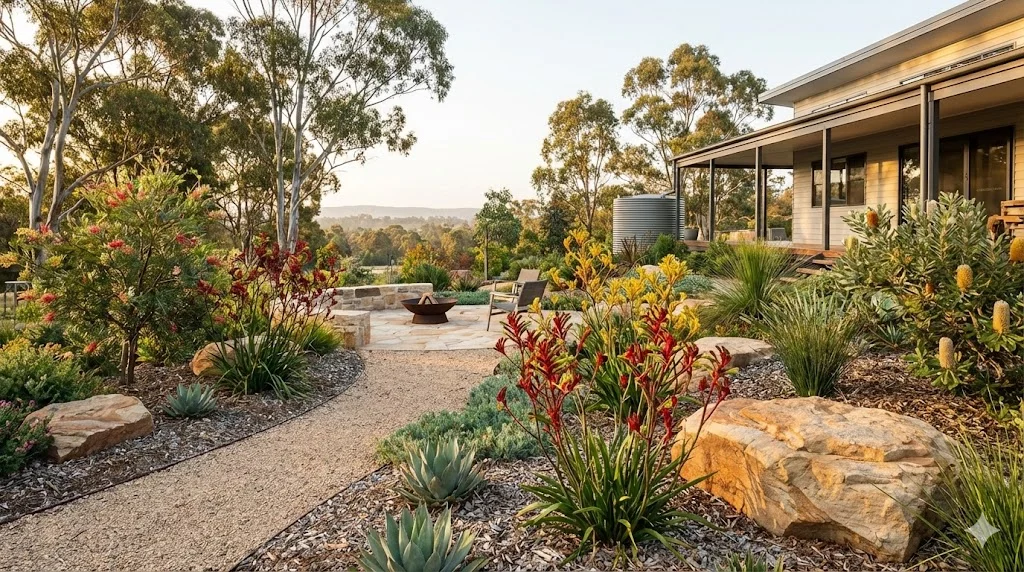
Garden Design for Australian Conditions
Design a resilient Australian garden with native plants, bushfire-safe landscaping, water-wise strategies, and solutions for subtropical to arid climates.
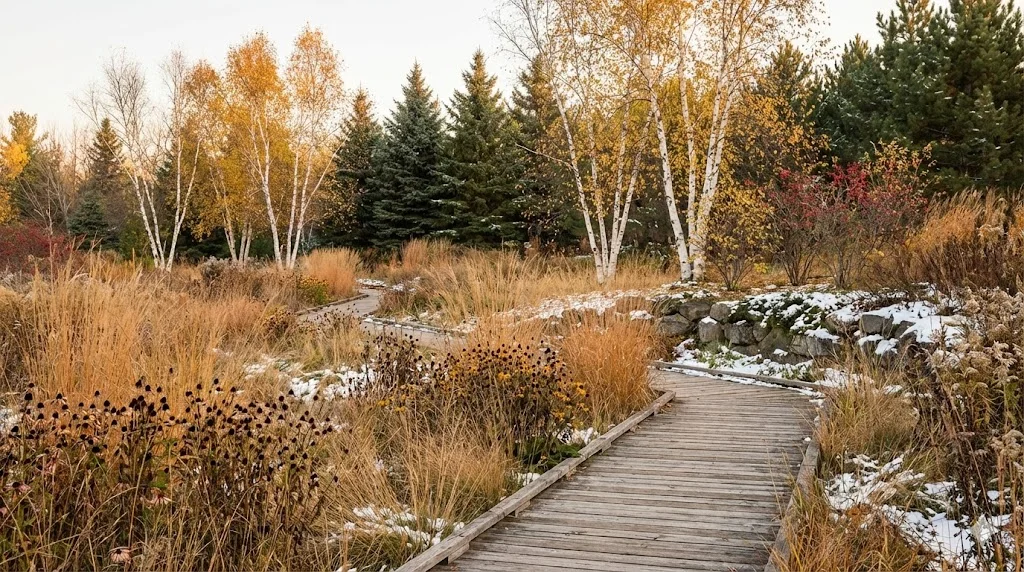
Garden Design for Canada
Design a resilient Canadian garden with extreme cold strategies, native prairie and boreal plants, short season planting, and wildlife-friendly garden design.
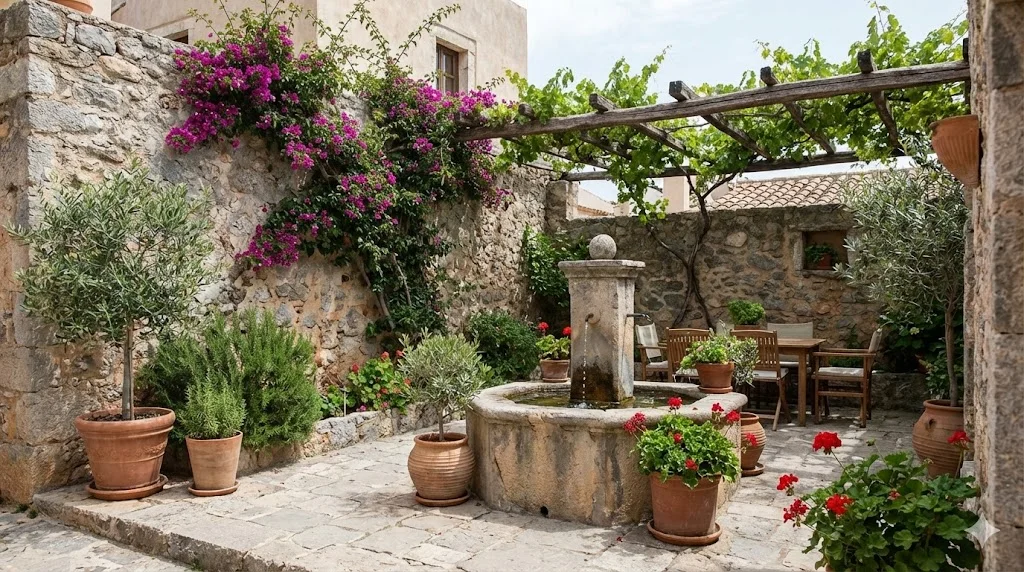
Garden Design for Coastal Mediterranean (Spain, Italy, Greece)
Design a stunning coastal Mediterranean garden with bougainvillea, citrus, courtyards, dry stone walls, and irrigation strategies for Spain, Italy, and Greece.