
Garden Design for Tropical Climates
Create a stunning tropical garden with monsoon drainage, layered shade canopy, exotic fruit trees, and humidity management for year-round tropical beauty.
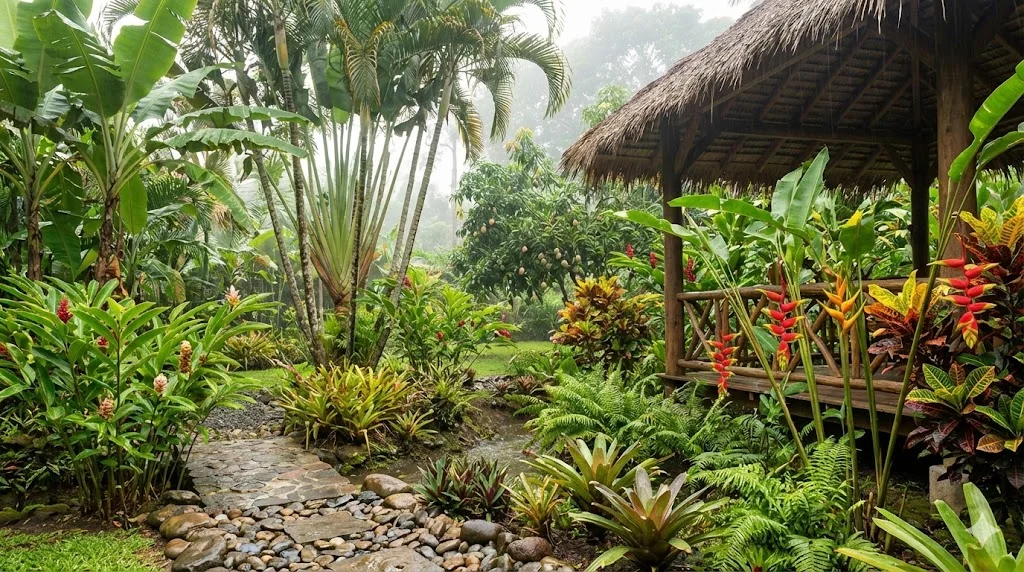
Garden Design for Tropical Climates
Tropical gardens are the most exuberant landscapes on earth. Where temperate gardeners coax reluctant plants into bloom over a few precious months, tropical gardeners manage an explosion of year-round growth — towering palms, cascading orchids, vivid heliconias, aromatic frangipani, and fruit trees that produce multiple harvests per year. The tropical garden is nature at its most generous, and the designer's role is not to encourage growth but to channel, edit, and compose it into something both beautiful and livable.
This guide is part of our Garden Design for Your Climate Zone series. It covers the design principles, plant choices, and practical strategies for creating stunning gardens in tropical climates — from Southeast Asia to Central America, from the Caribbean to equatorial Africa, and from Hawaii to northern Australia.
Understanding Tropical Climates
Tropical climates share several defining characteristics:
- Year-round warmth: Average temperatures of 25–32 C (77–90 F) year-round. No frost. Minimum temperatures rarely drop below 18 C (64 F).
- High rainfall: 1,500–4,000 mm (60–160 inches) annually. Some regions receive more.
- High humidity: 70–95% relative humidity, with dew points above 22 C (72 F) for most of the year.
- Distinct wet and dry seasons: Most tropical regions have a monsoon pattern with a wet season (heavy daily rainfall) and a dry season (reduced rain but not drought). Equatorial regions may have two wet and two dry seasons.
- Consistent day length: Near the equator, days are approximately 12 hours year-round. There is no midsummer surge or winter dormancy.
- Intense solar radiation: Strong, direct sunlight for much of the year, tempered by cloud cover during the wet season.
These conditions produce incredibly fast growth — some tropical plants can grow several centimeters per day — which means the garden is never static and maintenance is a constant conversation.
The tropical garden's greatest luxury is abundance. The challenge is not making things grow — it is deciding what to let grow, where, and how to keep it all in harmony.
Layered Canopy Design
The most important design principle in tropical gardening is layering. The tropical rainforest — the natural model — is structured in vertical layers, and the most beautiful tropical gardens replicate this structure:
The Five Layers
- Upper canopy (15–25 m / 50–80 ft): Tall palms and shade trees — coconut palm, royal palm, rain tree (Samanea saman), flame tree (Delonix regia)
- Lower canopy (5–15 m / 15–50 ft): Medium trees — frangipani (Plumeria), mango, breadfruit, traveller's palm (Ravenala madagascariensis)
- Shrub layer (1–5 m / 3–15 ft): Flowering shrubs — hibiscus, ixora, plumeria, heliconia, bird of paradise
- Herbaceous layer (0–1 m / 0–3 ft): Ground-level plants — bromeliads, caladiums, coleus, ferns, gingers
- Ground cover and epiphytes: Creeping plants, mosses, orchids on tree trunks, staghorn ferns on branches
This layered structure:
- Creates graduated shade that cools the garden progressively
- Maximizes biodiversity in a small area
- Manages rainfall by intercepting and slowing it through multiple leaf layers
- Creates visual depth and a sense of enclosure
When you plan your garden's vertical layers, you can see how canopy trees, understory, and ground-level plantings create shade and shelter before planting.
Monsoon Drainage and Water Management
In tropical climates, water management means dealing with too much water rather than too little. A single monsoon storm can deliver 50–100 mm (2–4 inches) of rain in an hour. Without proper drainage, gardens flood, soil erodes, and plant roots suffocate.
Drainage Strategies
- Grading and contouring — Shape the landscape so water flows to designated drainage points, not toward structures or planting beds
- Swales and channels — Shallow, planted channels that slow and direct runoff
- Rain gardens — Low areas planted with moisture-tolerant species that absorb excess water
- French drains — Underground gravel channels that move water away from saturated areas
- Raised planting beds — Elevate beds 15–30 cm (6–12 inches) above natural grade to ensure root zones drain even during heavy rain
- Permeable surfaces — Gravel, laterite, stepping stones, and permeable pavers allow water to infiltrate rather than run off
Erosion Control
- Dense ground cover — Plants like sweet potato vine, Asiatic jasmine, and creeping fig hold soil on slopes
- Terracing — On hillsides, create level planting terraces retained by stone, timber, or living walls
- Mulch — Heavy organic mulch (coconut coir, shredded palm fronds) protects soil from the impact of heavy rain
The Tropical Plant Palette
Tropical gardens offer one of the world's richest plant palettes. Here are the essential categories:
Palms
- Coconut palm (Cocos nucifera) — The iconic tropical tree, graceful, productive
- Royal palm (Roystonea) — Tall, formal, smooth grey trunk, avenue planting
- Areca palm (Dypsis lutescens) — Clumping, golden stems, excellent screening
- Fan palm (Licuala grandis) — Striking circular leaves, understory species
- Traveller's palm (Ravenala madagascariensis) — Fan-shaped form, dramatic architectural statement
Flowering Trees and Shrubs
- Frangipani (Plumeria) — Fragrant waxy flowers, deciduous in dry season, multiple colors. For ideas on bringing the tropical aesthetic to non-tropical locations, see our guide to tropical garden design for any climate.
- Hibiscus — Dozens of tropical species, vivid trumpet flowers, fast-growing
- Bougainvillea — Paper bracts in every warm color, vigorous, drought-tolerant in dry season
- Heliconia — Lobster-claw flowers in red, orange, and yellow, bold tropical form
- Bird of paradise (Strelitzia) — Iconic orange and blue flowers, structural leaves
- Ixora — Clusters of small, vivid flowers, excellent hedging
Foliage Plants
- Banana (Musa) — Enormous leaves, edible fruit, instant tropical atmosphere
- Elephant ear (Alocasia, Colocasia) — Dramatic, oversized leaves in green, black, or purple
- Croton (Codiaeum variegatum) — Multicolored foliage in red, yellow, green, and orange
- Calathea — Patterned leaves, shade-loving, humidity-loving
- Ti plant (Cordyline fruticosa) — Red, pink, or green foliage, cultural significance in the Pacific
Vines and Climbers
- Passionfruit (Passiflora edulis) — Ornamental flowers and edible fruit
- Jade vine (Strongylodon macrobotrys) — Extraordinary turquoise claw-shaped flowers
- Bougainvillea — Vivid color on walls, fences, and pergolas
- Thunbergia — Sky vine (blue) and black-eyed Susan vine (orange)
- Monstera — Large, perforated leaves, climbs trees naturally
Shade as Comfort
In tropical climates, shade is the single most important element for human comfort in the garden. Temperatures in direct tropical sun can be unbearable, while shaded areas are pleasant:
- Plant shade trees first — They are your most valuable long-term investment
- Create outdoor rooms — Pergolas, pavilions (bale in Balinese gardens), and covered terraces extend usable garden hours
- Use canopy layers — Even a small garden can have three layers of shade: a tall palm, a medium tree, and shrubs
- Orient seating — Place outdoor living areas on the east or north side of shade trees (in the southern hemisphere, south side) for maximum afternoon shade
In the tropics, the garden is experienced primarily in shade. The most successful tropical designs create a journey from sun through dappled light to deep shade, with each zone offering different plants, moods, and temperatures.
Tropical Fruit in the Garden
One of the great pleasures of tropical gardening is growing fruit. Many tropical fruit trees are ornamental enough to be garden features in their own right:
- Mango — Magnificent shade tree, fragrant flowers, beloved fruit
- Papaya — Fast-growing, dramatic form, produces fruit within a year
- Banana — Tropical staple, multiple ornamental varieties
- Starfruit (Averrhoa carambola) — Compact tree, attractive form, unique fruit
- Jackfruit (Artocarpus heterophyllus) — Enormous fruit, shade tree
- Guava — Compact, fragrant fruit, attracts wildlife
- Passionfruit — Vigorous vine, ornamental flowers, tangy fruit
Dealing with Tropical Pests and Challenges
- Mosquitoes — Eliminate standing water, use larvicide in water features, plant mosquito-repellent species (citronella, lemongrass)
- Fungal disease — Constant humidity promotes fungal growth. Ensure air circulation, avoid overhead watering, remove diseased material promptly
- Invasive species — Many tropical ornamentals become invasive weeds. Research before planting and avoid known invasive species
- Termites — Use termite-resistant timber for garden structures (teak, ironwood). Keep mulch away from house foundations. For a real-world example of tropical gardening on volcanic islands with unique microclimates, see our guide to garden design for Hawaii.
- Rapid growth — Plants grow much faster than expected. Plan for mature size and be prepared to prune regularly.
Getting Started: Your Tropical Garden Plan
- Plant shade trees first — They are the foundation of your garden's comfort and structure.
- Design in layers — Plan five vertical layers from canopy to ground cover.
- Solve drainage first — Before planting, ensure your garden can handle heavy rain without flooding or erosion.
- Include fruit — At least one or two fruit trees add productivity, beauty, and wildlife value.
- Use bold foliage — The tropical aesthetic demands large leaves, vivid colors, and dramatic forms. Be bold.
- Plan for maintenance — Tropical gardens grow fast and need regular pruning, feeding, and management. Budget time for ongoing care.
- Create shaded outdoor rooms — The garden is an extension of your living space. Covered, comfortable outdoor areas are essential.
- Manage water at source — Gutters, drains, swales, and permeable surfaces prevent the flooding that ruins tropical gardens during monsoon season.
The tropical garden is nature's most extravagant gift to the gardener. It grows with breathtaking speed, blooms with extraordinary color, and fills the air with fragrance twelve months a year. The designer's art lies in guiding this abundance into a composition that is beautiful, functional, and sustainable — a garden where you can live, eat, relax, and be surrounded by living, growing, flowering nature every day of the year.
Garden Design Team
Expert garden designers sharing tips, inspiration, and practical advice for creating beautiful outdoor spaces.
Explore professional garden design
Scapiera is a paid professional garden-design application. See plans for included capabilities and availability.
Join the waitlistRelated articles
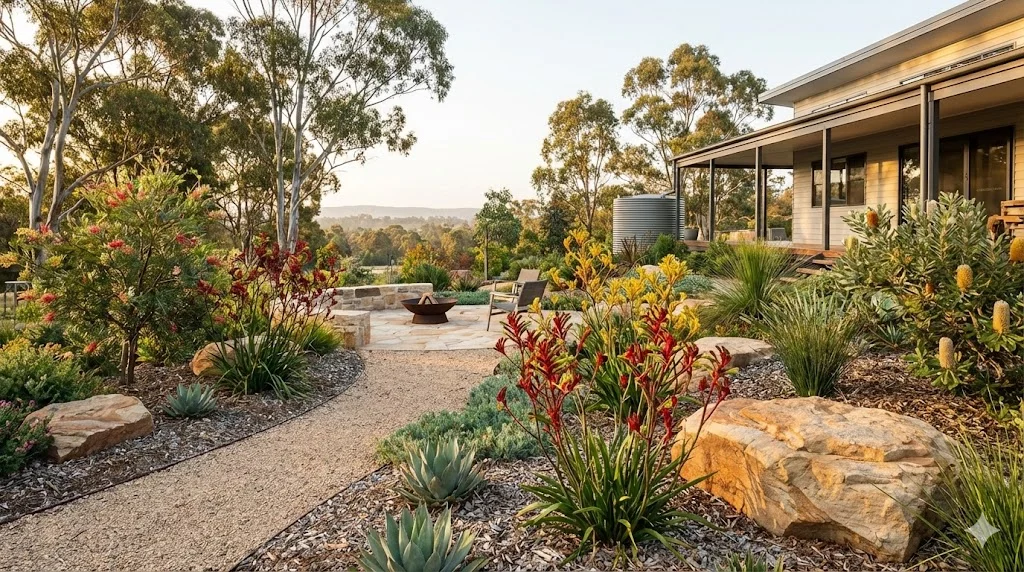
Garden Design for Australian Conditions
Design a resilient Australian garden with native plants, bushfire-safe landscaping, water-wise strategies, and solutions for subtropical to arid climates.
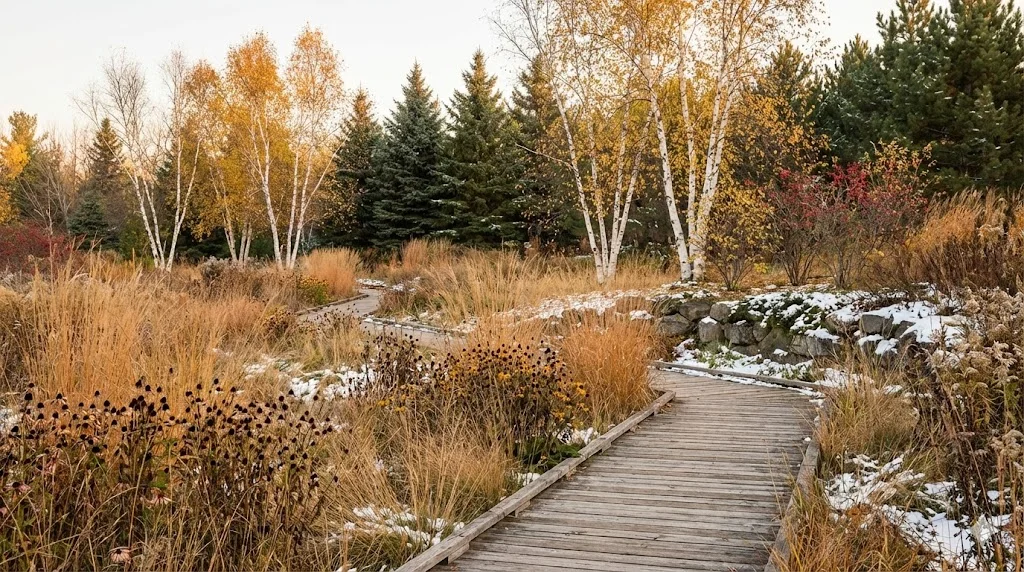
Garden Design for Canada
Design a resilient Canadian garden with extreme cold strategies, native prairie and boreal plants, short season planting, and wildlife-friendly garden design.
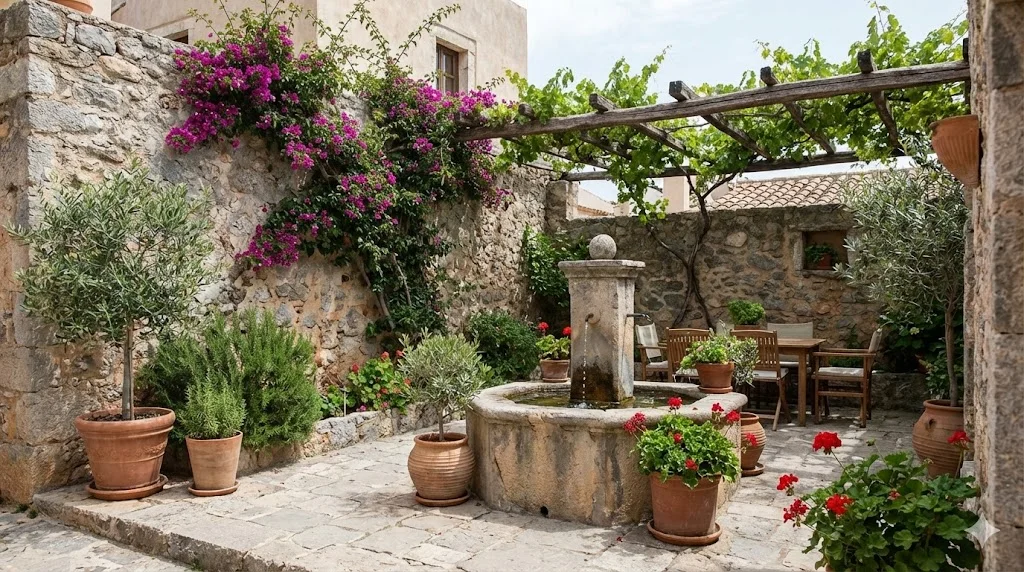
Garden Design for Coastal Mediterranean (Spain, Italy, Greece)
Design a stunning coastal Mediterranean garden with bougainvillea, citrus, courtyards, dry stone walls, and irrigation strategies for Spain, Italy, and Greece.