
Garden Design for Hawaii
Design a lush Hawaiian garden with volcanic soil strategies, native plants, tropical abundance, trade wind management, and lei flower traditions.
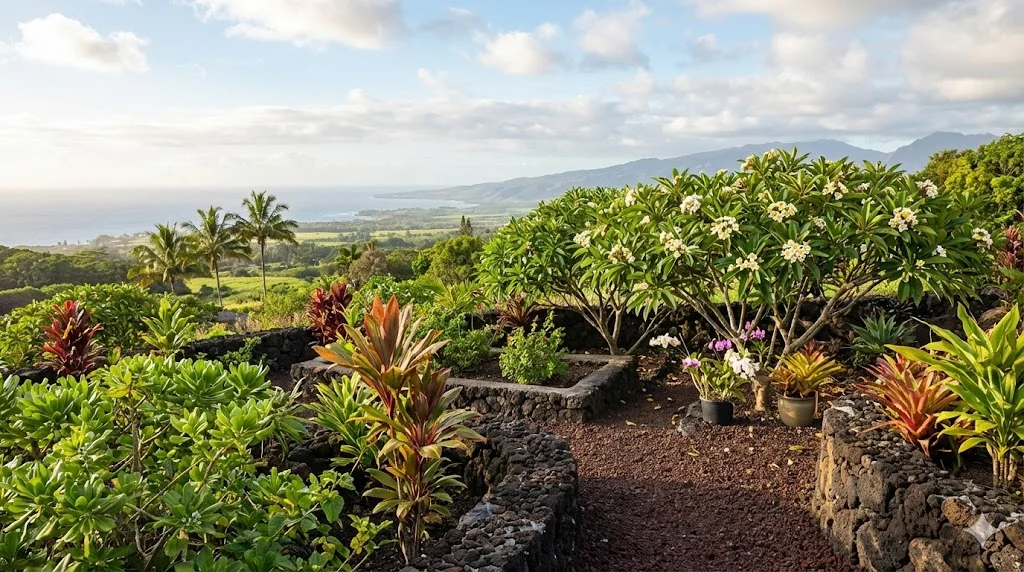
Garden Design for Hawaii
Hawaii is the most unique gardening environment in the United States — and one of the most extraordinary on earth. These volcanic islands in the middle of the Pacific Ocean combine tropical warmth, trade wind breezes, volcanic soil, dramatic elevation changes, and an endemic flora found nowhere else in the world. The result is a garden paradise where an astonishing range of plants thrive and where the line between garden and jungle is a constant, beautiful negotiation.
This guide is part of our Garden Design for Your Climate Zone series. It covers the specific conditions, native plants, and design strategies that create thriving, beautiful gardens across the Hawaiian Islands.
Understanding Hawaii's Climate
Hawaii's location in the central Pacific (latitude 19–22 degrees north) creates a subtropical to tropical climate moderated by the ocean and shaped by trade winds and elevation:
- Temperature: Consistently warm. Coastal areas average 24–30 C (75–86 F) year-round. Temperature drops approximately 1.7 C (3 F) for every 300 m (1,000 ft) of elevation gain.
- USDA Zones 10a–13: Coastal lowlands are Zone 11–13. Higher elevations on Maui and the Big Island range from Zone 10 to Zone 9 (Volcano area) or even Zone 8 at the summits.
- Trade winds: Persistent northeast winds (15–25 km/h / 10–15 mph) bring cooling breezes and moisture to windward (northeast) coasts. Leeward (southwest) coasts are drier and calmer.
- Rainfall variation: Hawaii has some of the most extreme rainfall variation on earth. Mount Waialeale on Kauai receives over 11,000 mm (430 inches) annually — one of the wettest spots on earth. Leeward Kohala on the Big Island receives under 250 mm (10 inches). Your garden's location determines everything.
- No frost: At elevations below 1,200 m (4,000 ft), frost never occurs. This opens the full tropical and subtropical plant palette.
- Hurricane risk: Hawaii is occasionally affected by tropical storms and hurricanes, primarily July through November. Many of the same design strategies for managing heavy rain and lush growth apply to tropical climate gardening worldwide.
Hawaii's gardening truth is this: there is no single Hawaiian climate. Windward and leeward, lowland and upland, wet and dry — your specific location on your specific island determines your garden's possibilities. Two gardens five miles apart can receive ten times different rainfall.
Volcanic Soil: Gift and Challenge
Hawaii's soils are derived from volcanic rock — basalt lava that weathers into some of the richest gardening soil on earth, or remains as impenetrable rock, depending on age and rainfall.
Soil Types
- Young lava — Found on the Big Island's Kona and Kohala coasts and recent flows. Literally rock. Gardening requires either importing soil, building raised beds, or planting in pockets.
- Volcanic ash soil (andisol) — Rich, well-draining, and extraordinarily fertile. Found in older, wetter areas. Among the best garden soils in the world.
- Red laterite — Ancient, iron-rich, acidic soil found in wet windward areas. Good structure but may need organic matter.
- Coral and sand — Coastal areas may have alkaline, calcareous soil derived from coral reef.
Working with Lava Rock
Lava rock is both an obstacle and a design asset:
- Raised beds on lava — Build beds from lava rock walls, fill with imported soil and compost
- Planting pockets — Find natural pockets and crevices in the rock, fill with soil, and plant directly
- Lava rock mulch — Crushed lava makes excellent, permanent mulch that conserves moisture and suits the Hawaiian aesthetic
- Lava rock walls — Dry-stacked lava rock walls create beautiful garden boundaries and microclimates
When you design your garden layout around existing lava features, you can turn what seems like an obstacle into the most dramatic design element in your landscape.
Native Hawaiian Plants
Hawaii's native plants evolved in isolation for millions of years, producing species found nowhere else on earth. Many are now endangered due to habitat loss and invasive species. Planting natives is both a design choice and a conservation act.
Native Trees
- Ohia lehua (Metrosideros polymorpha) — The signature native tree, red pom-pom flowers, grows from sea level to treeline. Sacred in Hawaiian culture.
- Koa (Acacia koa) — The premier Hawaiian hardwood tree. Sickle-shaped phyllodes, rapid growth, valuable timber.
- Wiliwili (Erythrina sandwicensis) — Hawaiian coral tree, orange or yellow flowers, deciduous in dry season
- Kou (Cordia subcordata) — Coastal native, orange flowers, traditional canoe-building wood
- Hala (Pandanus tectorius) — Screw pine, prop roots, used in traditional weaving
Native Shrubs and Ground Covers
- Naupaka (Scaevola) — Coastal native, half-flower blooms, excellent hedging
- Ilima (Sida fallax) — The flower of Oahu's lei, small yellow-orange flowers
- Akulikuli (Sesuvium portulacastrum) — Succulent coastal ground cover, pink flowers
- Pili grass (Heteropogon contortus) — Native bunch grass, once used for thatching traditional hale (houses)
Native Ferns
- Hapu'u (Cibotium) — Hawaiian tree fern, iconic trunk, massive fronds
- Palapalai (Microlepia strigosa) — Delicate fern used in hula lei
- Uluhe (Dicranopteris linearis) — Scrambling fern, rapid ground cover
Lei Flowers: Living Tradition
The lei is central to Hawaiian culture, and many gardens are designed to include flowers grown specifically for lei-making:
- Plumeria (frangipani) — The most popular lei flower. White, yellow, pink, and red varieties. Intensely fragrant.
- Pikake (Jasminum sambac) — Arabian jasmine, beloved for its sweet perfume. The flower of romance.
- Pakalana (Telosma cordata) — Intensely fragrant vine, small green-yellow flowers
- Tuberose (Polianthes tuberosa) — Waxy white spikes, powerfully fragrant
- Crown flower (Calotropis gigantea) — Lavender or white waxy flowers, used in royal lei
- Ilima — Tiny native flowers, strung into delicate golden lei (Oahu's official lei flower)
Trade Wind Management
The persistent northeast trade winds shape Hawaii's gardens:
Windward Gardens
- Salt-tolerant plants at the boundary — Naupaka, hala, and coconut palm withstand salt-laden trade winds
- Windbreaks — Dense hedgerows of ironwood (Casuarina), mock orange, or hibiscus filter wind
- Staking and support — Young trees need staking until root systems establish in the constant wind
- Orientation — Position fragile plants behind windbreaks, buildings, or walls
Leeward Gardens
- Drought tolerance — Leeward areas receive far less rain and are sheltered from wind-borne moisture. In the driest leeward areas, water-wise techniques borrowed from Southern California garden design can be surprisingly effective.
- Irrigation planning — Supplemental irrigation is essential in dry leeward conditions
- Heat management — Without trade wind cooling, leeward areas can be significantly hotter
Tropical Abundance: The Ornamental Palette
Hawaii's frost-free climate supports an extraordinary range of ornamental plants from the world's tropics:
Palms: Coconut, royal, areca, fan, fishtail, date
Flowering trees: Royal poinciana, jacaranda, African tulip, gold tree (Tabebuia), shower trees (Cassia)
Shrubs: Hibiscus (the state flower), bougainvillea, ixora, gardenia, ti plant (Cordyline fruticosa), croton
Perennials: Bird of paradise, heliconia, ginger, anthurium, bromeliad, orchid
Vines: Bougainvillea, passionfruit, stephanotis, jade vine, thunbergia
The challenge in Hawaiian gardening is not making things grow — it is deciding what to grow and keeping exuberant growth in check. A Hawaiian garden left unmanaged for a year can transform from manicured to jungle.
Invasive Species Awareness
Hawaii faces a severe invasive species crisis. Many popular ornamental plants have escaped gardens and devastated native ecosystems. Responsible Hawaiian garden design requires:
- Avoiding known invasive species — Check the Hawaii Invasive Species Council list before planting
- Notable invasives to avoid: Strawberry guava, miconia, fountain grass, kahili ginger, banana poka
- Choosing native alternatives — For every invasive ornamental, there is usually a native or non-invasive alternative
- Responsible disposal — Never dump garden waste in wild areas
Fruit in the Hawaiian Garden
Hawaii grows an extraordinary range of tropical fruit:
- Mango — Over 100 varieties grown in Hawaii
- Papaya — Fast-growing, productive, staple fruit
- Banana — Dozens of varieties, both cooking and dessert
- Avocado — Multiple varieties, productive shade tree
- Lychee — Prized fruit, beautiful tree
- Breadfruit (Ulu) — Traditional Hawaiian staple, large, handsome tree
- Starfruit — Compact tree, prolific fruit
- Citrus — Lemons, limes, oranges, and tangerines all thrive
Getting Started: Your Hawaiian Garden Plan
- Know your microclimate — Windward or leeward? Elevation? Annual rainfall? These determine everything.
- Work with your soil — Whether it is rich volcanic ash or raw lava rock, design your garden to suit the soil you have.
- Plant native species — Include at least some Hawaiian natives for ecological value and cultural connection.
- Avoid invasive plants — Check every species against the invasive species list before planting.
- Include lei flowers — Plumeria, pikake, and tuberose connect your garden to Hawaiian cultural tradition.
- Manage trade winds — Establish windbreaks on the windward side of your garden.
- Include fruit — At least one or two fruit trees add productivity and beauty.
- Plan for maintenance — Tropical growth is relentless. Budget regular time for pruning, thinning, and managing the exuberance.
Gardening in Hawaii is a privilege. The climate, the soil, the light, and the cultural tradition of living outdoors create an environment where the garden is not separate from daily life — it is daily life. A well-designed Hawaiian garden is a place to eat, celebrate, rest, and connect with a landscape of extraordinary natural beauty and deep cultural meaning.
Garden Design Team
Expert garden designers sharing tips, inspiration, and practical advice for creating beautiful outdoor spaces.
Explore professional garden design
Scapiera is a paid professional garden-design application. See plans for included capabilities and availability.
Join the waitlistRelated articles
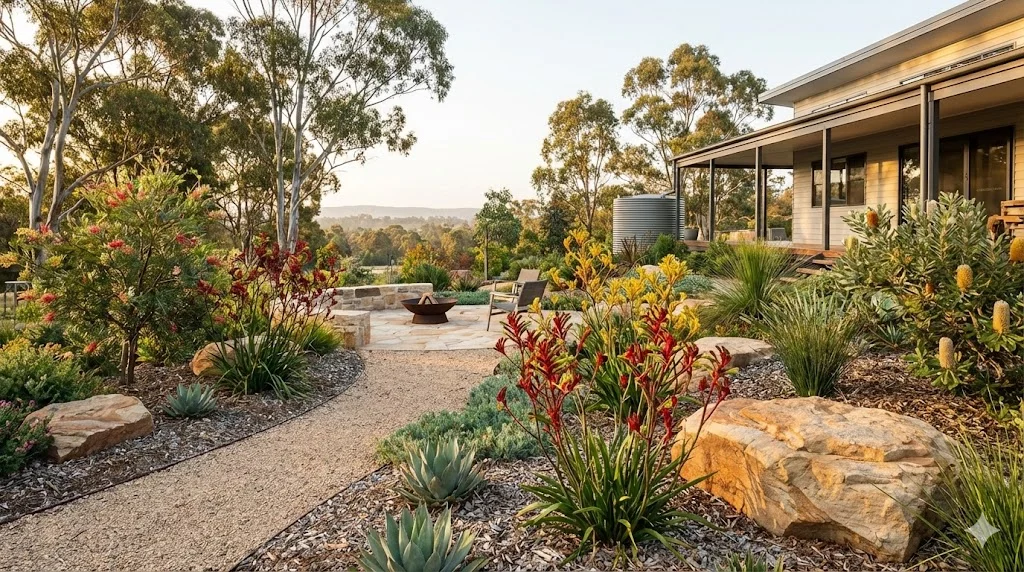
Garden Design for Australian Conditions
Design a resilient Australian garden with native plants, bushfire-safe landscaping, water-wise strategies, and solutions for subtropical to arid climates.
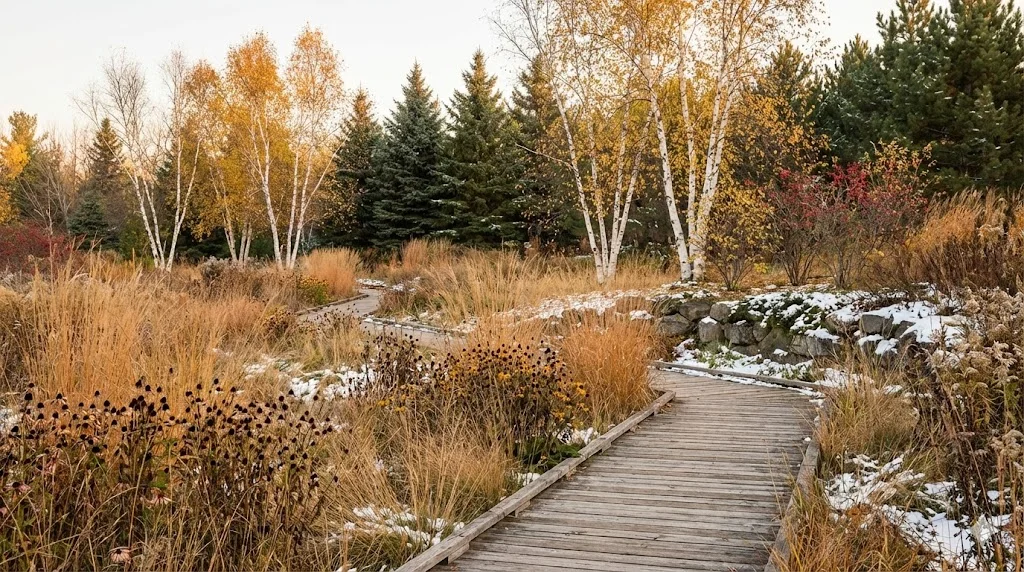
Garden Design for Canada
Design a resilient Canadian garden with extreme cold strategies, native prairie and boreal plants, short season planting, and wildlife-friendly garden design.
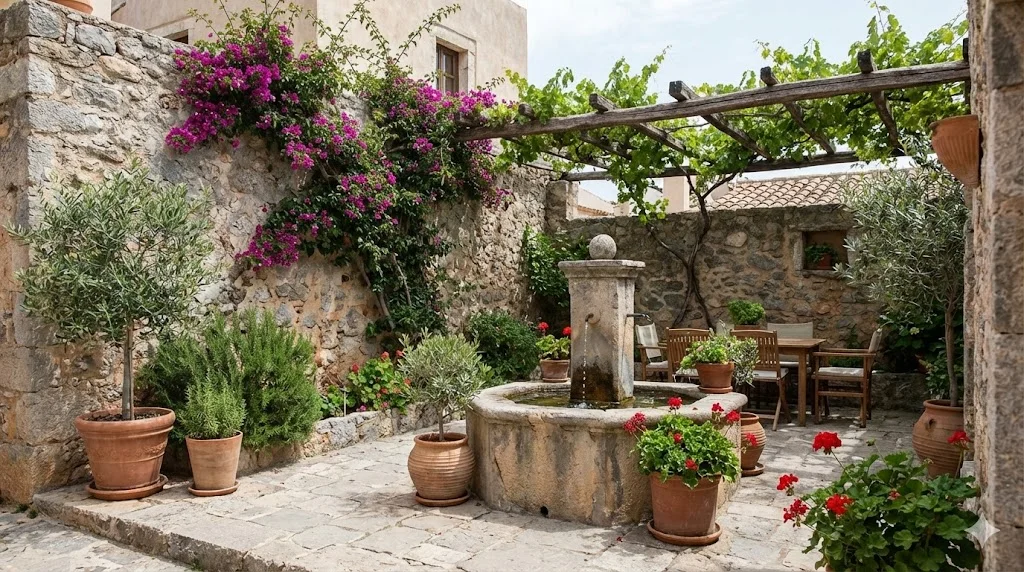
Garden Design for Coastal Mediterranean (Spain, Italy, Greece)
Design a stunning coastal Mediterranean garden with bougainvillea, citrus, courtyards, dry stone walls, and irrigation strategies for Spain, Italy, and Greece.