
Garden Design for the Southeast US
Design a lush Southeast US garden with humidity-loving plants, red clay solutions, long-season strategies, and classic Southern garden traditions.
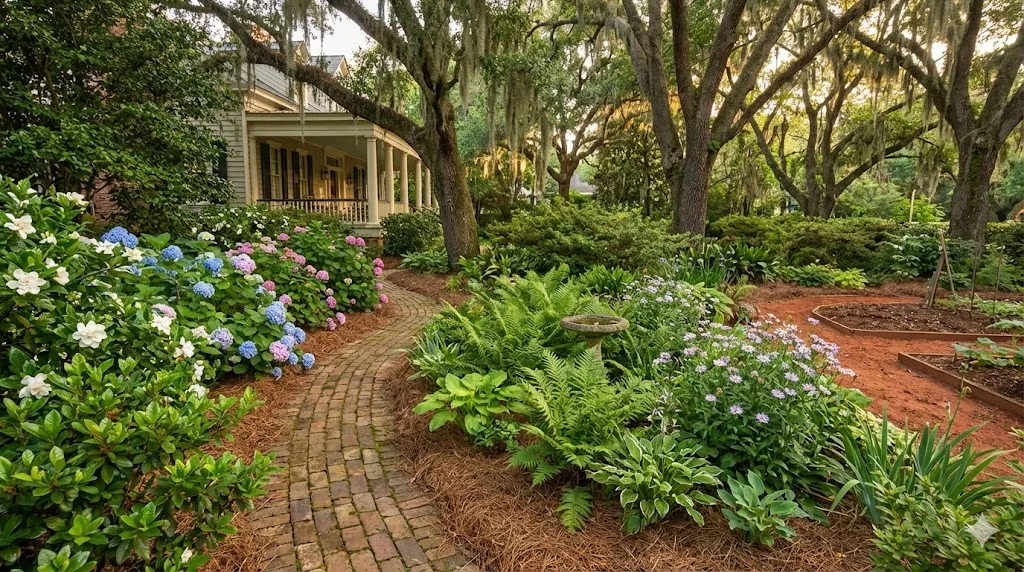
Garden Design for the Southeast US
The American Southeast — from Virginia through the Carolinas, Georgia, Alabama, Mississippi, and into the borderlands of Tennessee and Arkansas — is a region of extraordinary horticultural richness. The long, warm growing season, ample rainfall, and fertile (if challenging) soils support one of the most diverse garden palettes in North America. Magnolias dripping with Spanish moss, azalea-filled woodland gardens, crepe myrtles lining every street, and the intoxicating fragrance of gardenias on a summer evening — the Southeast's garden heritage is as rich as its cultural identity.
But the Southeast is also a region of extremes: crushing summer humidity, red clay that defies the shovel, torrential thunderstorms, ice storms, and an insect and disease pressure that tests every plant and every gardener.
This guide is part of our Garden Design for Your Climate Zone series. It covers the strategies, plant choices, and design traditions that make Southeast gardens beautiful, resilient, and deeply rooted in their place.
Understanding the Southeast Climate
The Southeast climate is classified as humid subtropical, characterized by:
- Long, hot, humid summers: Average highs of 32–35 C (90–95 F) from June through September, with humidity often above 80%. Heat index values regularly exceed 40 C (105 F).
- Mild to moderate winters: USDA Zones 7a–8b across most of the region. Winter lows of -12 C to -1 C (10–30 F). Ice storms are more damaging than sustained cold.
- Abundant rainfall: 1,000–1,500 mm (40–60 inches) annually, distributed fairly evenly but with a slight summer peak. Afternoon thunderstorms are a daily feature from June through September.
- Long growing season: 200–270 frost-free days, depending on latitude and elevation. In the southern reaches of the region, conditions gradually transition toward the subtropical climate of Florida, where the plant palette expands to include fully tropical species.
- Red clay soil: The defining soil type across much of the Piedmont region — iron-rich, acidic, dense, and poorly draining.
The Southeast gardener's advantage is time. With up to nine months of active growth, plants mature faster, borders fill in sooner, and the range of species you can grow is enormous. The challenge is managing that abundance — pruning, thinning, and editing a landscape that wants to grow faster than you can keep up.
Designing for Humidity
Humidity is the Southeast's signature condition and its greatest design challenge. High humidity promotes lush growth but also fuels fungal diseases, mildew, and rot. Every design decision should account for air circulation and moisture management.
Humidity-Smart Design Principles
- Spacing for air flow — Resist the temptation to plant too densely. Plants need air circulation to dry their foliage and resist disease.
- Open garden structures — Avoid solid fences and walls that trap humid air. Use open fencing, lattice, or living screens that allow breezes through.
- Elevated planting — Raised beds and berms improve drainage and air circulation around root zones.
- Disease-resistant cultivars — Modern breeding has produced disease-resistant varieties of roses, crepe myrtles, phlox, and other humidity-prone plants. Always choose these over older, susceptible selections.
- Morning sun orientation — Plants that receive morning sun dry their foliage faster, reducing disease pressure.
Plants That Thrive in Humidity
Many plants not only tolerate but flourish in humid conditions:
- Hydrangea — Both macrophylla (bigleaf) and quercifolia (oakleaf) are Southeast icons
- Japanese maple — Thrives in humid woodland conditions, stunning fall color
- Camellia — Glossy evergreen, winter to spring flowers, shade-tolerant
- Hosta — The queen of shade gardens, hundreds of varieties
- Ferns — Southern shield fern, autumn fern, Japanese painted fern all love humidity
- Confederate jasmine (Trachelospermum jasminoides) — Fragrant evergreen vine
- Ginger lily (Hedychium) — Tropical-looking, fragrant, humidity-loving
Conquering Red Clay
Red clay soil is the Southeast's most infamous gardening challenge. It is iron-rich (hence the red color), highly acidic (pH 5.0–6.0), dense, poorly draining, and difficult to dig. But it is also surprisingly fertile and, once amended, capable of growing magnificent gardens.
Clay Improvement Strategies
- Organic matter — Compost is the single best amendment. Add 10–15 cm (4–6 inches) to new beds and incorporate into the top 20–30 cm (8–12 inches).
- Pine bark fines — Particularly effective in the Southeast. Improves drainage, adds organic matter, and maintains acidity for acid-loving plants.
- Never add sand to clay — A common myth. Sand plus clay creates a concrete-like mixture that is worse than either alone.
- Raised beds — The most reliable solution for serious clay problems. Build beds 20–30 cm above grade with quality imported soil.
- Gypsum — Helps flocculate clay particles in neutral-to-alkaline clay soils. Less effective in the already-acidic Southeast clay, but worth trying.
- Plant on mounds — For trees and shrubs, plant the root ball 5–10 cm higher than surrounding grade and mound amended soil over the roots.
Red clay teaches patience. You cannot fix it overnight, but every season's compost, every year's mulch, and every generation of earthworms makes it better. The best Southeast gardens are built on decades of clay improvement.
Classic Southern Garden Plants
The Southeast's plant palette is legendary. These species define the region's garden character:
Signature Trees
- Southern magnolia (Magnolia grandiflora) — The ultimate Southern tree. Glossy evergreen leaves, fragrant white flowers, architectural presence.
- Crepe myrtle (Lagerstroemia) — Summer-flowering bark showpiece, dozens of sizes and colors. Choose disease-resistant varieties like the National Arboretum selections.
- Live oak (Quercus virginiana) — Massive, spreading, draped in Spanish moss in coastal areas.
- Dogwood (Cornus florida) — White or pink spring flowers, red fall berries, elegant form.
- Sweetgum (Liquidambar styraciflua) — Spectacular fall color, star-shaped leaves.
Shrubs and Foundation Plants
- Azalea — The Southeast's most beloved spring-flowering shrub. Native species and evergreen hybrids for sun or shade.
- Gardenia — Intoxicating fragrance, glossy foliage, the scent of Southern summers.
- Camellia — Winter-blooming elegance, shade-tolerant, evergreen structure.
- Loropetalum (Chinese fringe flower) — Purple foliage, pink flowers, excellent hedge or specimen.
- Oakleaf hydrangea (Hydrangea quercifolia) — Native, four-season interest: white flowers, fall color, peeling bark.
- Nandina — Evergreen, red berries, tough as nails, but plant thoughtfully as it can spread.
Perennials
- Black-eyed Susan (Rudbeckia) — Summer gold, native, easy
- Coneflower (Echinacea) — Pink-purple daisies, pollinator magnet
- Lantana — Heat and humidity proof, blooms from spring to frost
- Salvia — Multiple species thrive: S. guaranitica, S. leucantha, S. greggii
- Daylily (Hemerocallis) — Thousands of cultivars, tough, prolific
- Stokes' aster (Stokesia laevis) — Native, blue or white, underused
Many of these perennials also feature in Mid-Atlantic US gardens, where cooler winters add an extra layer of seasonal drama to the same native wildflower palette.
The Woodland Garden Tradition
The Southeast's native deciduous forests provide the template for one of the region's most beautiful garden styles. The woodland garden layer structure works perfectly with the regional climate:
- Canopy: Oaks, hickories, tulip poplar, and beech provide high shade
- Understory: Dogwood, redbud, sourwood, serviceberry, and Carolina silverbell
- Shrub layer: Azaleas, mountain laurel, fothergilla, Virginia sweetspire
- Herbaceous layer: Ferns, trillium, bloodroot, wild ginger, Solomon's seal
- Ground layer: Moss, partridgeberry, creeping phlox, foam flower
When you design the layers of your woodland garden, you can see how shade patterns and plant heights create the intimate, cathedral-like atmosphere that defines the best Southern woodland gardens.
Managing the Long Growing Season
The Southeast's 200+ day growing season is a gift that demands management:
- Extended bloom — With careful plant selection, you can have something blooming every month of the year
- Aggressive growth — Many plants grow faster than expected. Plan for mature size and be prepared to prune.
- Weed pressure — Warmth and moisture mean weeds grow as vigorously as desired plants. Heavy mulching is essential.
- Pest and disease management — Long, warm seasons favor insect populations and fungal diseases. Monitor regularly and act early.
- Fall planting advantage — The mild fall and winter allow fall-planted trees and shrubs to establish root systems before summer stress arrives. October through December is the ideal planting season.
Southern Garden Style and Tradition
The Southeast has a rich garden design heritage:
- The formal Southern garden — Boxwood-edged parterre beds, brick paths, iron gates, clipped hedges, and symmetrical layouts reflecting the formality of grand plantation and antebellum gardens.
- The cottage garden — Informal abundance of cutting flowers, herbs, and vegetables, often enclosed by a picket fence.
- The naturalistic woodland — Native plants in layered, ecologically rich compositions that echo the regional forest.
- The courtyard garden — Enclosed, intimate, often with a central fountain, reflecting Spanish and French influences in the Deep South.
The finest Southeast gardens blend tradition with adaptation — respecting the region's heritage while embracing native plants, sustainable practices, and designs that work with the climate.
Getting Started: Your Southeast Garden Plan
- Test your soil — Know your clay depth, pH, and drainage before planting.
- Amend clay gradually — Start with raised beds or heavily amended planting areas and expand over time.
- Plant in fall — October through December is the best planting season in the Southeast.
- Choose disease-resistant varieties — Humidity means disease pressure is constant. Start with resistant cultivars.
- Plan for shade — Both for plant health and outdoor comfort, shade is essential from May through September.
- Mulch heavily — 7–10 cm (3–4 inches) of pine straw or shredded hardwood mulch. Replenish annually.
- Space for air circulation — Resist the urge to plant too closely. Good airflow is your best defense against humidity-driven disease.
- Embrace the long season — Design for blooms in every month. The Southeast rewards year-round planning more than almost any other region.
The Southeast garden is a celebration of abundance — of heat, rain, green growth, and the sheer exuberance of a climate where plants grow with astonishing vigor. Designing with that abundance, rather than fighting it, creates gardens of genuine Southern grace: lush, fragrant, welcoming, and beautiful in every season.
Garden Design Team
Expert garden designers sharing tips, inspiration, and practical advice for creating beautiful outdoor spaces.
Explore professional garden design
Scapiera is a paid professional garden-design application. See plans for included capabilities and availability.
Join the waitlistRelated articles
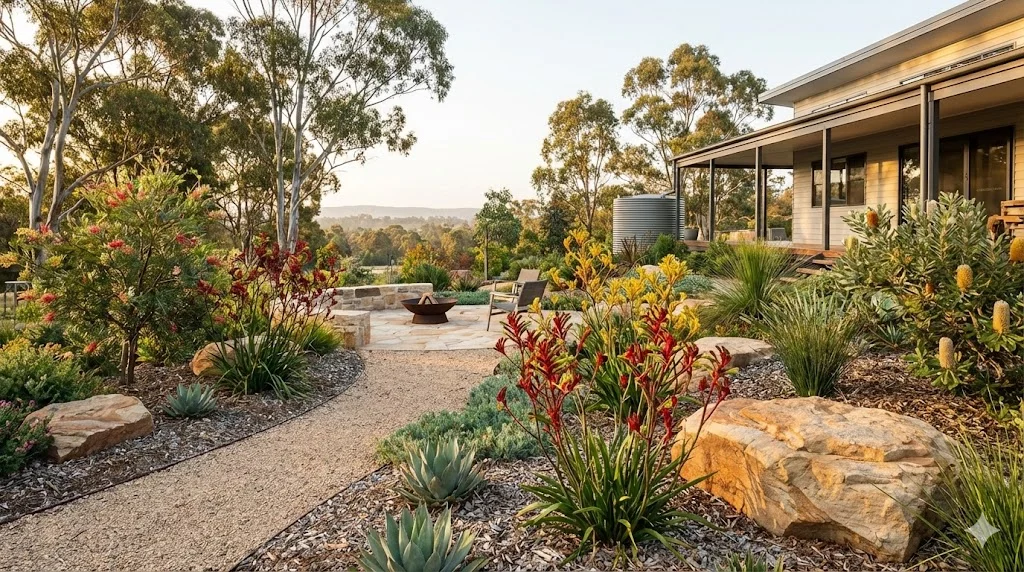
Garden Design for Australian Conditions
Design a resilient Australian garden with native plants, bushfire-safe landscaping, water-wise strategies, and solutions for subtropical to arid climates.
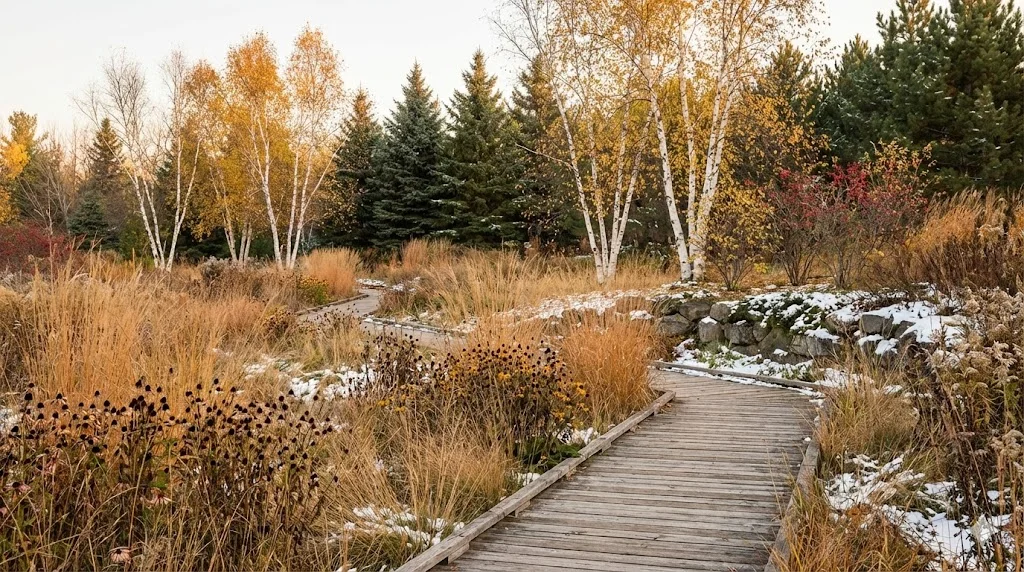
Garden Design for Canada
Design a resilient Canadian garden with extreme cold strategies, native prairie and boreal plants, short season planting, and wildlife-friendly garden design.
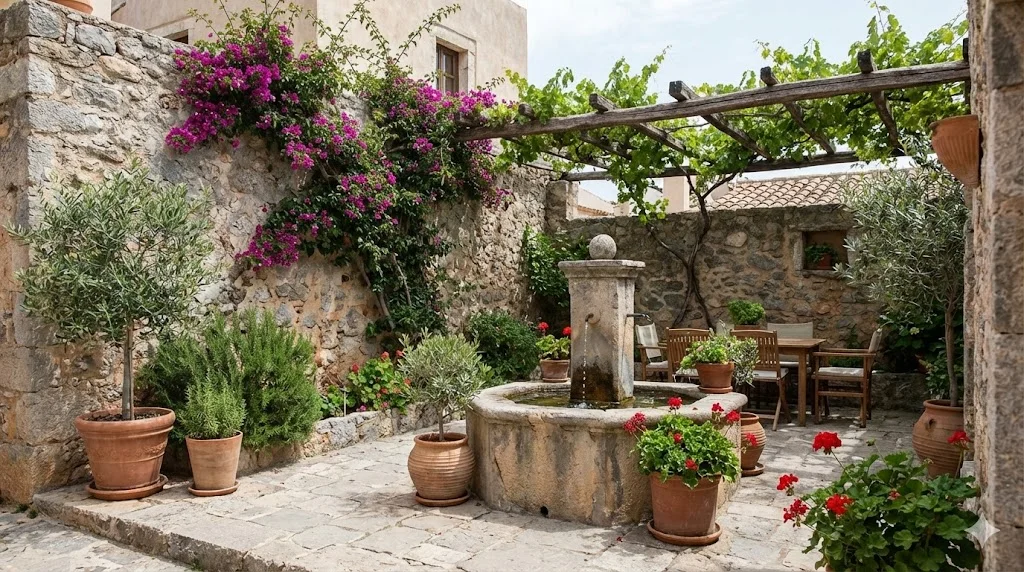
Garden Design for Coastal Mediterranean (Spain, Italy, Greece)
Design a stunning coastal Mediterranean garden with bougainvillea, citrus, courtyards, dry stone walls, and irrigation strategies for Spain, Italy, and Greece.