
Garden Design for South Africa
Design a water-wise South African garden with fynbos, Karoo succulents, indigenous Cape plants, and strategies for frost-free subtropical to arid conditions.
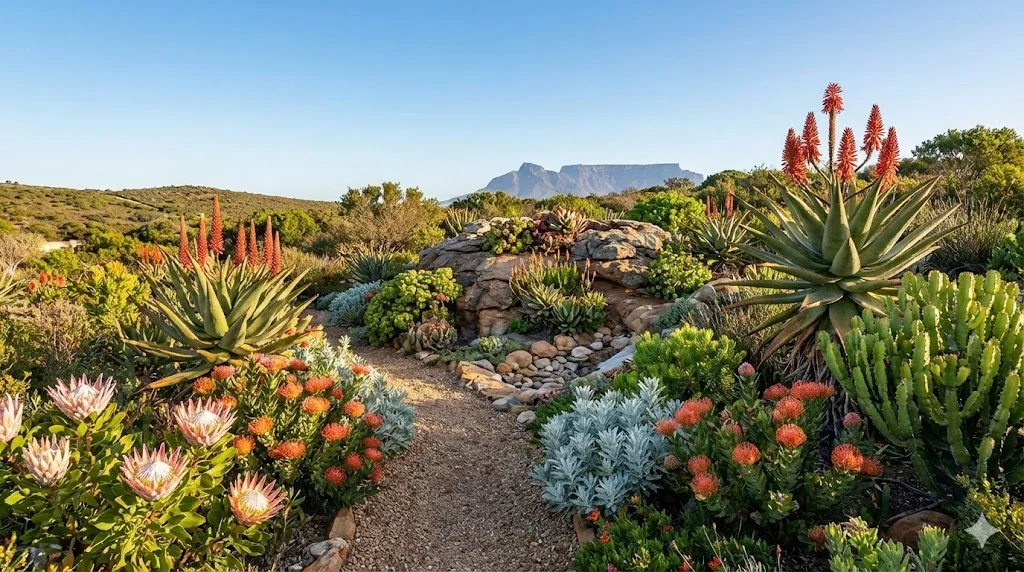
Garden Design for South Africa
South Africa is home to one of the six floral kingdoms on earth — the Cape Floristic Region — and possesses a plant diversity that rivals anywhere on the planet. Within a single country, gardeners can work in Mediterranean climates, subtropical forests, semi-arid Karoo, tropical coastlines, and frost-prone highveld grasslands. This botanical richness, combined with growing awareness of water scarcity and ecological responsibility, has produced a South African garden design movement that is among the most exciting and forward-thinking in the world.
This guide is part of our Garden Design for Your Climate Zone series. It covers the diverse climate zones, indigenous plant palettes, and design strategies that define gardening in South Africa — from the fynbos-clad slopes of the Western Cape to the lush subtropical coast of KwaZulu-Natal to the dry interior of the Great Karoo.
South Africa's Climate Zones
South Africa's gardens span a remarkable range of conditions:
- Western Cape (Mediterranean) — Winter rainfall, dry summers. Similar to coastal California. Cape Town receives approximately 500 mm (20 inches) of rain, almost entirely between May and October. USDA equivalent Zone 10–11 at the coast. The Western Cape shares its distinctive wet-winter, dry-summer rhythm with the regions covered in our guide to garden design for Mediterranean climates.
- Eastern Cape and KwaZulu-Natal (Subtropical) — Summer rainfall, mild to warm year-round. Durban receives about 1,000 mm (40 inches) annually, concentrated in the warm months. Frost-free coastal, occasional frost inland.
- Highveld (Johannesburg, Pretoria) — Summer rainfall, cold dry winters. Johannesburg sits at 1,750 m (5,750 ft), receiving 700 mm (28 inches) of summer rain. Winter frosts are common. USDA equivalent Zone 9b–10a.
- Karoo (semi-arid interior) — Low rainfall (150–350 mm / 6–14 inches), extreme temperature swings, alkaline soil. Hot summers, cold winters with frost.
- Lowveld (Mpumalanga, Limpopo) — Hot subtropical to tropical. Bushveld vegetation. Summer rainfall, hot year-round.
South African gardeners are learning what the indigenous flora always knew: the most beautiful and resilient gardens are those that work with their specific climate, not against it. The era of water-hungry English lawns and imported ornamentals is giving way to a new appreciation for the extraordinary plants that evolved here.
Fynbos: The Cape's Botanical Treasure
Fynbos (pronounced "fain-boss") is the shrubland vegetation unique to the Western Cape — the smallest and richest of the world's six floral kingdoms. Its key plant families include Proteaceae, Ericaceae, and Restionaceae.
Designing with Fynbos
Fynbos plants have specific requirements that differ from conventional garden plants:
- Acidic, nutrient-poor soil — Fynbos plants evolved on ancient, leached soils. Rich compost and fertilizer will kill most fynbos species. Plant in unamended, sandy, acidic soil.
- No phosphorus — Fynbos plants are phosphorus-sensitive. Never use conventional fertilizer on them. If feeding is needed, use low-phosphorus indigenous plant fertilizer.
- Good drainage — Fynbos roots require perfect drainage. Waterlogged soil is fatal.
- Summer drought tolerance — Most fynbos plants are adapted to dry summers and do not need irrigation once established.
Key Fynbos Garden Plants
- King protea (Protea cynaroides) — South Africa's national flower, spectacular large flower heads, Zone 9
- Pincushion protea (Leucospermum) — Vivid orange, red, and yellow pincushion flower heads
- Leucadendron — Colorful foliage in red, gold, and silver. Excellent for structure and year-round interest.
- Erica — Over 600 species in the Cape, from prostrate ground covers to tall shrubs. Flowers in every color.
- Restio — Cape reeds, the grass-like backbone of fynbos. Excellent texture and movement in the garden.
- Buchu (Agathosma) — Aromatic, medicinal, small shrubs with delicate flowers
- Watsonia — Tall sword-like leaves, spikes of tubular flowers in pink, red, and white
- Freesia — Fragrant, colorful bulbs. The original wild freesia is native to the Western Cape.
- Cape daisy (Osteospermum, Dimorphotheca) — Prolific daisies in purple, white, orange, and pink
Karoo Succulents
The Karoo — South Africa's vast semi-arid interior — is one of the world's great succulent habitats. These plants offer extraordinary design potential:
- Aloe — Hundreds of South African species from tiny ground covers to tree-sized specimens. Coral, orange, red, and yellow flower spikes attract sunbirds.
- Euphorbia — Cactus-like succulents (not true cacti), many species, architectural forms
- Crassula — Diverse genus including the jade plant and many ground-covering species
- Haworthia — Small rosette succulents, ideal for rock gardens and containers
- Bulbine — Grass-like succulents with orange or yellow flower spikes
- Spekboomveld (Portulacaria afra) — Spekboom, a carbon-sequestering succulent shrub, edible, excellent hedge
Designing a Karoo-Inspired Garden
- Rock and gravel — Natural stone and gravel mulch create the warm, mineral palette of the Karoo landscape
- Spacing — Karoo plants need room. Let each specimen or group be visible as a sculptural element against gravel.
- Seasonal surprises — Many Karoo succulents produce spectacular but brief flower displays after rain. Design for these ephemeral moments.
- Low water — A Karoo-inspired garden should need almost no supplemental water once established.
Water-Wise Garden Design
Water scarcity is the defining issue for South African gardeners, particularly in the Western Cape, where the 2017–2018 "Day Zero" water crisis demonstrated just how fragile urban water supplies can be.
Water-Wise Principles
- Indigenous first — Indigenous plants are adapted to local rainfall patterns and require far less water than exotic species
- Hydrozoning — Group plants by water need. The garden's foundation should be unirrigated indigenous species.
- Mulch — 7–10 cm (3–4 inches) of organic mulch or gravel reduces evaporation dramatically
- Drip irrigation — For the limited areas that need supplemental water, drip systems deliver it efficiently
- Rainwater harvesting — Capture roof runoff in tanks (JoJo tanks are ubiquitous in South Africa)
- Greywater reuse — Redirect bath and laundry water to the garden (common practice in the Western Cape)
- Remove lawn — Replace water-hungry kikuyu and fescue lawns with indigenous ground covers, fynbos, or gravel
When you plan your garden's water zones and irrigation strategy, you can ensure that every plant receives exactly the water it needs without waste.
Subtropical Garden Design (KwaZulu-Natal, Eastern Cape)
South Africa's eastern coast offers lush, subtropical gardening conditions:
- Tropical canopy — Wild fig, yellowwood, strelitzia (bird of paradise tree), coral tree (Erythrina)
- Lush undergrowth — Plectranthus, clivia, agapanthus (all South African natives that have become global garden stars)
- Palms — Wild date palm (Phoenix reclinata), Natal palm, and tropical species
- Indigenous forest garden — Layered planting inspired by the Afromontane forests of the Eastern Cape and KwaZulu-Natal
Key Subtropical Indigenous Plants
- Strelitzia reginae — Bird of paradise, South Africa's most famous garden export
- Clivia miniata — Bush lily, shade-loving, orange or yellow flowers, drought-tolerant
- Agapanthus — Lily of the Nile (actually from South Africa), blue or white globes
- Plectranthus — Huge genus, shade-loving, excellent ground covers and shrubs
- Wild banana (Strelitzia nicolai) — Giant bird of paradise, dramatic form
Highveld Garden Design (Gauteng)
The highveld around Johannesburg and Pretoria offers its own distinct gardening conditions:
- Summer rainfall — Design for lush summer growth and dry, frosty winters
- Frost management — Protect frost-tender plants; choose frost-hardy indigenous species
- Indigenous grassland — The highveld was originally grassland. Prairie-style designs using indigenous grasses and wildflowers are ecologically appropriate and beautiful.
- Trees: White stinkwood (Celtis africana), wild olive (Olea europaea subsp. africana), buffalo thorn (Ziziphus mucronata), Searsia species
South African garden design is in the midst of a revolution. The shift from imported European aesthetics to indigenous, water-wise design is creating gardens that are more beautiful, more sustainable, and more deeply connected to the extraordinary landscape they inhabit.
Getting Started: Your South African Garden Plan
- Identify your climate zone — Western Cape, highveld, subtropical coast, or Karoo? Each demands a different approach.
- Choose indigenous first — Build the foundation of your garden with South African native plants adapted to your specific region.
- Eliminate water waste — Remove unnecessary lawn, install drip irrigation, harvest rainwater, and mulch everything.
- Match soil to plants — Fynbos needs poor, acidic, sandy soil. Subtropical plants prefer rich, composted soil. Know the difference.
- Design for wildlife — Sunbirds, sugarbirds, and Cape bees depend on indigenous flowering plants. A water-wise indigenous garden is also a wildlife garden. For inspiration on incorporating native species into ecologically rich designs, see our guide to native plant garden design.
- Include succulents — Even in wetter regions, succulents add sculpture, texture, and drought resilience.
- Plan for your dry season — Whether it is summer (Western Cape) or winter (everywhere else), design for the dry months with the same care as the growing season.
- Visit botanical gardens — Kirstenbosch (Cape Town), Walter Sisulu (Johannesburg), and Durban Botanic Gardens are world-class resources for seeing indigenous plants in designed settings.
South African garden design stands at a thrilling crossroads. The country's botanical heritage is unmatched, its climate challenges are real and urgent, and a generation of designers, growers, and home gardeners is creating a new garden aesthetic that celebrates indigenous beauty, conserves water, and proves that sustainability and stunning design are not just compatible — they are the same thing.
Garden Design Team
Expert garden designers sharing tips, inspiration, and practical advice for creating beautiful outdoor spaces.
Explore professional garden design
Scapiera is a paid professional garden-design application. See plans for included capabilities and availability.
Join the waitlistRelated articles
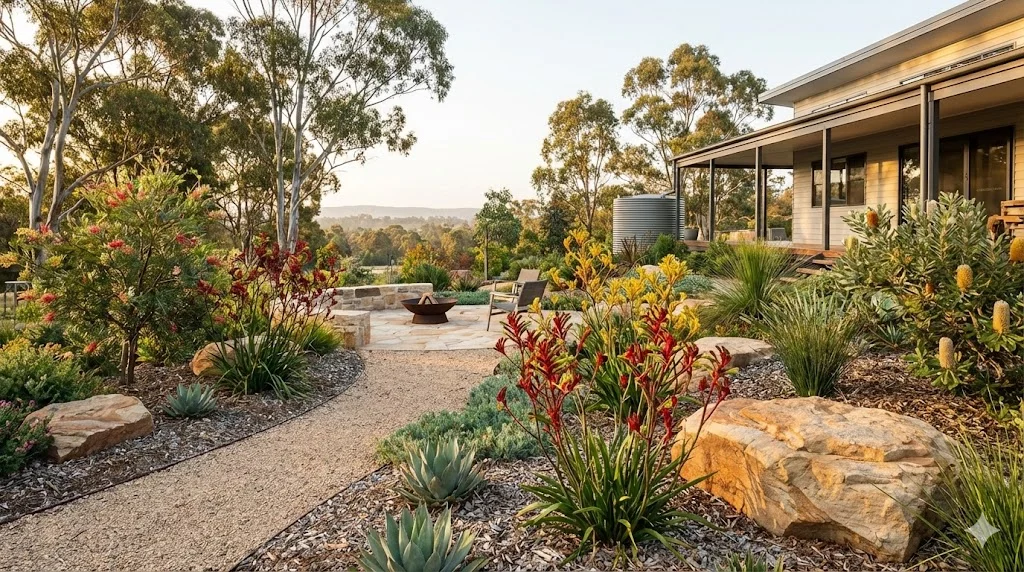
Garden Design for Australian Conditions
Design a resilient Australian garden with native plants, bushfire-safe landscaping, water-wise strategies, and solutions for subtropical to arid climates.
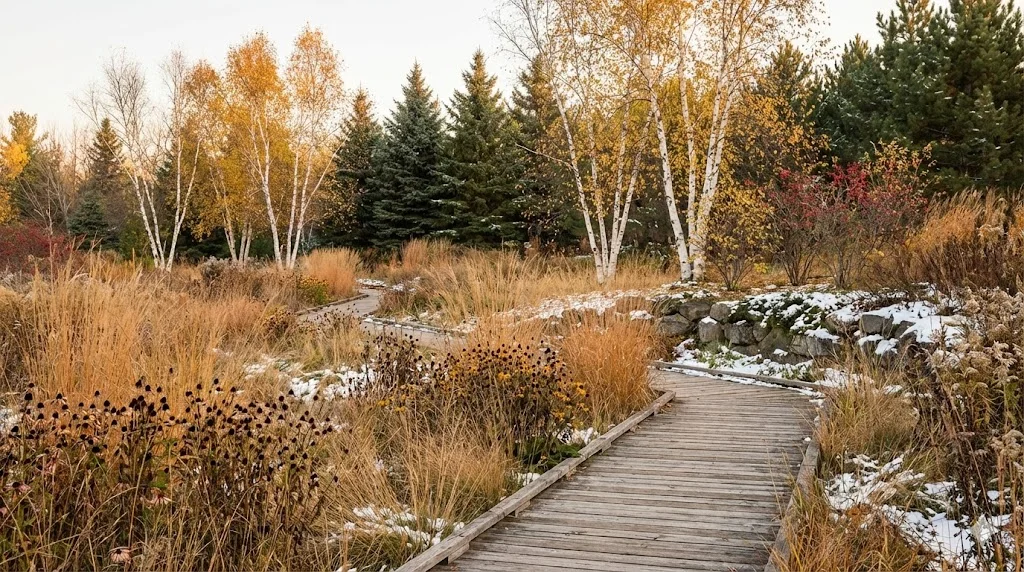
Garden Design for Canada
Design a resilient Canadian garden with extreme cold strategies, native prairie and boreal plants, short season planting, and wildlife-friendly garden design.
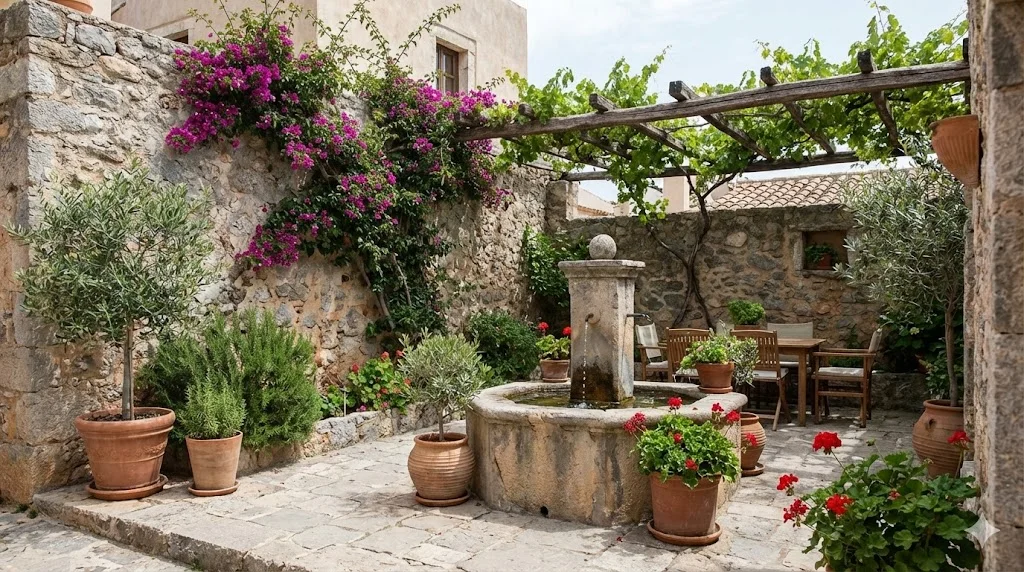
Garden Design for Coastal Mediterranean (Spain, Italy, Greece)
Design a stunning coastal Mediterranean garden with bougainvillea, citrus, courtyards, dry stone walls, and irrigation strategies for Spain, Italy, and Greece.