
Native Plant Garden Design: Eco-Friendly Landscaping
Design an eco-friendly garden with native plants that support local wildlife, save water, and reduce maintenance. A complete guide to native plant landscaping.
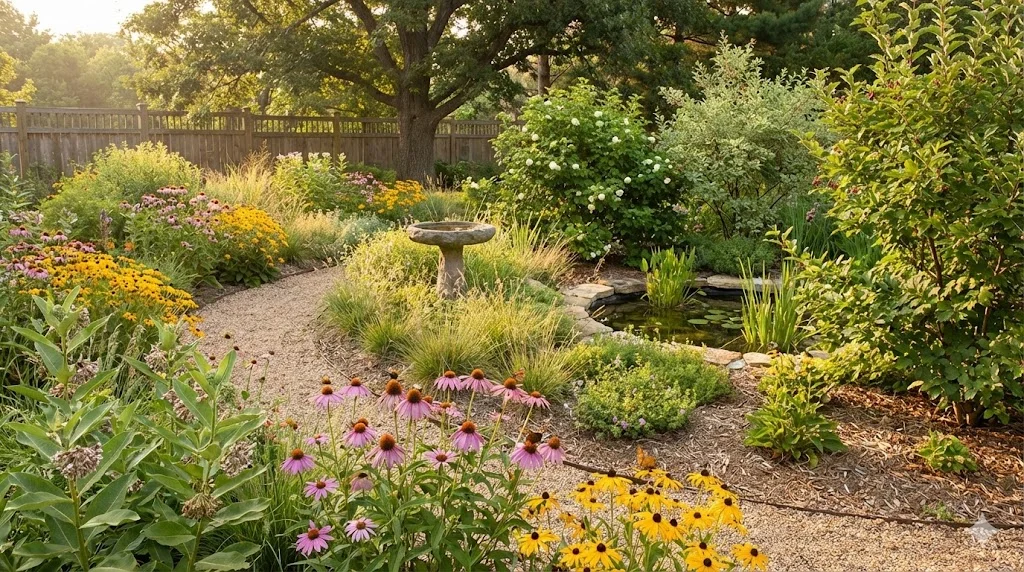
There is a quiet revolution happening in gardens across the country. Gardeners are turning away from high-input lawns and imported ornamentals and rediscovering the plants that have grown in their own regions for thousands of years. Native plant garden design is not a trend — it is a return to something fundamental: the idea that a garden can be both beautiful and ecologically generous, providing food, shelter, and breeding habitat for the wildlife that shares our landscapes.
Native plant landscaping does not mean abandoning design or accepting a wild tangle where a garden should be. It means working with the plants that evolution has already perfected for your soil, your rainfall, and your local insect and bird communities. The result is a garden that looks rooted in its place, requires dramatically less water and fertilizer, and hums with the life that makes outdoor spaces feel truly alive.
Why Native Plants Matter
Every native plant species exists within a web of ecological relationships that took millennia to develop. A single native oak can support over 500 species of caterpillars, which in turn feed dozens of bird species that raise their young on high-protein insect food. A patch of native goldenrod hosts more than 100 species of specialist pollinators. When you plant natives, you are not just decorating your garden — you are restoring links in a food chain.
Non-native ornamentals, however attractive, often contribute very little to local ecosystems. Many produce flowers that native pollinators cannot access, or foliage that native caterpillars cannot digest. A garden planted entirely with exotic species can be, from an ecological standpoint, almost as barren as a paved parking lot. Native plant landscaping reverses that equation. Even converting a fraction of your garden to natives can measurably increase the number and diversity of insects, birds, and other wildlife visiting your space.
The benefits extend beyond wildlife. Native plants are adapted to local rainfall patterns and rarely need supplemental irrigation once established. They have evolved defenses against regional pests and diseases, reducing the need for chemical intervention. Their root systems — often far deeper and more extensive than those of ornamental cultivars — build soil structure, improve drainage, and sequester carbon. A native plant garden is, in the truest sense, a garden that gives back more than it takes.
Selecting Native Plants for Your Region
The single most important principle in native plant garden design is regional specificity. A plant that is native to the Eastern Woodlands is not native to the Pacific Northwest, and a prairie species from Kansas will struggle in a Florida sand pine scrub. "Native" always means native to your particular ecoregion, not simply native to the continent.
Start With Your Ecoregion
The United States contains dozens of distinct ecoregions, each with its own characteristic plant communities. The tallgrass prairies of the Midwest, the longleaf pine savannas of the Southeast, the sagebrush steppe of the Intermountain West, the oak woodlands of California, the mixed hardwood forests of New England — each supports a unique palette of native species. Begin by identifying which ecoregion you garden in, then seek out species lists specific to that region.
Your state's native plant society is often the best starting resource. These organizations maintain regional plant lists, host plant sales, and connect you with local expertise. University extension services and regional botanical gardens also publish excellent guides to native plants suited to local conditions.
Match Plants to Your Site Conditions
Within any ecoregion, conditions vary enormously from one garden to another. Sun exposure, soil type, drainage, and microclimate all determine which natives will thrive. A species that flourishes in full sun on sandy soil may languish in the shade of a building on heavy clay just a few miles away.
Observe your site carefully before selecting plants. Note where sunlight falls at different times of day and year. Test your soil for pH, texture, and drainage. Identify wet spots, dry slopes, and sheltered corners. Then choose species whose natural habitat matches those conditions. This is where native plant landscaping becomes genuinely easier than conventional gardening — instead of amending your soil to suit the plants you want, you choose plants that already love the soil you have.
When you map out your garden's sun, shade, and soil conditions visually before planting, you can match each zone to the natives that will thrive there without guesswork.
Sourcing Native Plants
Not all plants sold as "native" are equally valuable. Cultivars of native species — sometimes called "nativars" — have been bred for altered flower color, compact habit, or double blooms. While some nativars retain their ecological value, others have lost traits that wildlife depends on, such as nectar production or the specific leaf chemistry that caterpillars require. Whenever possible, choose straight species (the wild type) rather than named cultivars.
Source your plants from nurseries that specialize in regionally appropriate natives grown from local seed stock. Avoid collecting plants from the wild, which can damage fragile native populations. Many native plant nurseries now ship bare-root or plug-grown plants that establish quickly and cost less than container-grown specimens.
Designing Naturalistic Native Plantings
A native plant garden can be designed in any style — formal, contemporary, cottage, or naturalistic. But the approach that most fully honors the ecological potential of native plants is naturalistic design, which draws inspiration from how plants grow together in wild communities.
Think in Plant Communities, Not Individual Specimens
In nature, plants do not grow in isolation. They form communities — layered associations of species that share similar habitat requirements and have evolved to coexist. A woodland community might include canopy trees, understory trees, shrubs, herbaceous perennials, groundcovers, and vines, all occupying different vertical niches. A prairie community layers tall grasses, mid-height forbs, and low-growing groundcovers in a tapestry of intermingled species.
Design your native plantings as communities rather than collections of individual plants. Group species that naturally occur together. Allow them to intermingle, self-sow, and shift over time. The result will feel coherent and harmonious in a way that a random assortment of natives never can.
Creating Habitat Layers
The most ecologically productive native gardens include multiple vertical layers of vegetation, mimicking the structure of natural habitats. Each layer provides different resources for different wildlife species.
Canopy layer. Large native trees form the uppermost layer, providing shade, nesting sites for birds, and food in the form of seeds, nuts, and the insects they support. Oaks, hickories, maples, and pines are foundation canopy species across much of North America.
Understory layer. Smaller trees and large shrubs occupy the space beneath the canopy. Dogwoods, serviceberries, redbuds, and hollies provide berries, flowers, and protected nesting sites. This layer is critical for many songbird species that prefer to nest at mid-height rather than in the canopy.
Shrub layer. Dense shrubs create the structural backbone of wildlife habitat. Native viburnums, blueberries, spicebush, and elderberry provide food, cover, and nesting material. A well-designed shrub layer gives birds and small mammals refuge from predators and harsh weather.
Herbaceous layer. Wildflowers, ferns, grasses, and sedges fill the ground plane with color, pollen, nectar, and seeds. This is where the greatest species diversity typically occurs and where most pollinator activity is concentrated.
Ground layer. Low-growing groundcovers, mosses, and leaf litter cover the soil surface, retaining moisture, suppressing weeds, and providing habitat for ground-nesting bees, beetles, and overwintering insects. Do not underestimate the importance of leaving some areas of bare soil and undisturbed leaf litter — many native bee species nest in the ground and require open soil to do so.
For a broader perspective on how different garden styles structure their planting layers, see our complete guide to garden design styles, which explores how traditions from cottage to Japanese gardens each approach the vertical dimension of planting.
Combining Natives With Non-Invasive Ornamentals
Purists may advocate for exclusively native plantings, but many gardeners want to include some non-native ornamentals for extended bloom seasons, specific color palettes, or personal favorites. This is perfectly compatible with ecological native plant garden design, provided you follow a few principles.
First, never plant species classified as invasive in your region. Invasive plants escape gardens, spread into wild areas, and displace the native species your garden is designed to support. Check your state's invasive species list before purchasing any non-native plant.
Second, let natives form the structural and ecological backbone of your garden. Use non-native ornamentals as accents — a drift of tulips in spring, a climbing rose on a pergola, a clump of ornamental alliums among native grasses — rather than as the foundation of the planting.
Third, choose non-native species that offer genuine wildlife value. Many herbs from the Mediterranean — lavender, thyme, oregano, and rosemary — are excellent nectar sources for generalist pollinators, even though they are not native to North America. Non-native plants that produce accessible flowers, berries, or seeds can complement a native planting without undermining it.
The goal is a garden where native plants do the heavy ecological lifting while carefully chosen ornamentals add personal expression and extended seasonal interest.
Supporting Wildlife Through Design
A truly wildlife-supportive native plant garden goes beyond plant selection. Certain design decisions dramatically increase the habitat value of your space.
Water Features
Even a small, shallow water source — a birdbath, a recirculating stone basin, or a naturalistic rain garden — will attract wildlife that no amount of planting alone can draw in. Dragonflies, frogs, songbirds, and butterflies all need water for drinking and reproduction. Place water features near dense plantings so wildlife can approach and retreat under cover.
Nesting and Overwintering Habitat
Leave standing dead stems through the winter. Many native bees and beneficial insects overwinter in hollow plant stems, and seed-eating birds rely on standing seedheads for winter food. Resist the urge to "tidy up" in autumn. A native garden that looks a little wild in winter is a garden that is working hardest for wildlife.
Brush piles, log piles, and rock piles all provide critical shelter for amphibians, reptiles, and small mammals. Tuck these into discreet corners if you prefer a neater appearance, but include them somewhere in the garden.
Reducing or Eliminating Chemical Inputs
Native plant landscaping dramatically reduces the need for pesticides, herbicides, and synthetic fertilizers. Healthy native plantings resist pests through their own chemical defenses and by supporting predatory insects that keep pest populations in check. Accepting some leaf damage is part of the ecological bargain — those chewed leaves mean caterpillars are feeding, and caterpillars mean birds are being fed.
If you must intervene with a pest issue, choose targeted, organic approaches. Broad-spectrum insecticides devastate the very pollinator and predator communities that your native garden is designed to support.
The Maintenance Advantage
One of the most compelling reasons to embrace native plant garden design is the dramatic reduction in ongoing maintenance. Once established — typically after two to three growing seasons — a well-designed native planting requires a fraction of the time, water, and expense that conventional gardens and lawns demand.
Watering
Established native plants rarely need supplemental irrigation. Their deep root systems access moisture far below the soil surface, and their evolutionary adaptations to local rainfall patterns mean they can endure dry periods that would stress or kill many ornamental cultivars. In regions where water restrictions are increasingly common, this is not just convenient — it is responsible. A native garden can reduce outdoor water use by 50 to 75 percent compared to a conventional landscape.
Fertilizing
Native plants evolved in soils that receive no synthetic fertilizer. Adding fertilizer to a native planting can actually be counterproductive, encouraging lush, weak growth that is more susceptible to pests and diseases, and favoring aggressive species at the expense of slower-growing wildflowers. In most cases, the only soil amendment a native garden needs is an annual topdressing of leaf mulch or compost — and even that is optional if you leave fallen leaves in place as nature intended.
Mowing and Pruning
Replacing even a portion of your lawn with native plantings eliminates hours of weekly mowing. Native meadow areas need cutting only once or twice per year. Shrub borders composed of native species that grow to their natural size and shape require far less pruning than clipped hedges or sheared ornamentals. The time you save can be spent actually enjoying your garden.
Seasonal Care Calendar
Spring is the time to cut back last year's standing stems — but not too early. Wait until daytime temperatures consistently reach 50°F (10°C) to allow overwintering insects to emerge. Cut stems to about 12–18 inches (30–45 cm) and leave the debris at the base of plantings as habitat.
Summer maintenance is minimal: occasional watering during the first two establishment years, removal of any invasive species that appear, and enjoying the garden at its peak.
Autumn is the season to add new plants to the garden. Fall planting gives natives the entire winter to establish root systems before the demands of spring growth. Leave seedheads standing and fallen leaves in place wherever possible.
If you are interested in combining your native plantings with wildflower meadow areas for maximum ecological impact, our guide to wildflower garden design and meadow creation covers the specific techniques for establishing species-rich grasslands that complement structured native plantings beautifully.
Seasonal Beauty in a Native Garden
A well-planned native garden offers four full seasons of visual interest — a claim that many conventional gardens cannot match.
Spring opens with ephemeral woodland wildflowers — trilliums, bloodroot, Virginia bluebells, and wild phlox — blooming beneath still-bare canopy trees. As the canopy leafs out, spring-blooming shrubs like native azaleas, viburnums, and serviceberries take over with clouds of white and pink flowers. Early butterflies and migrating hummingbirds arrive to feed.
Summer brings the full spectacle. Prairie coneflowers, bee balm, black-eyed Susans, milkweed, and native grasses fill the garden with warm golds, purples, and greens. Monarch butterflies visit milkweed to lay eggs. Hummingbirds work the tubular flowers of cardinal flower and trumpet honeysuckle. The garden is alive with sound and motion.
Autumn rivals spring for color. Native asters and goldenrods paint the herbaceous layer in purple and gold — the classic fall combination that inspired university colors across the country. Canopy trees turn scarlet, amber, and burgundy. Berry-laden shrubs — beautyberry, winterberry holly, spicebush — draw migrating and overwintering birds.
Winter reveals the garden's architecture. The tawny skeletons of ornamental grasses catch the low light. Seedheads of coneflowers and sedums stand above a blanket of snow. Evergreen natives — pines, hollies, Eastern red cedars — provide structure and year-round color. Flocks of goldfinches and juncos work the seedheads. A native garden in winter is not dormant — it is quietly sustaining life.
Water Savings and Environmental Impact
The environmental case for native plant landscaping extends well beyond your garden fence. Conventional landscapes are among the largest consumers of treated municipal water in many regions, with lawn irrigation accounting for up to 50 percent of residential water use during summer months. Native gardens slash this figure dramatically.
Beyond water savings, native gardens reduce stormwater runoff. The deep, fibrous root systems of native grasses and wildflowers absorb rainfall far more effectively than the shallow roots of turf grass, reducing the volume of water that flows off your property and into storm drains. This helps prevent localized flooding and reduces the pollutant load reaching streams and rivers.
Native gardens also eliminate the emissions associated with weekly lawn mowing — a single gas-powered mower produces as much pollution per hour as driving a car 100 miles. They sequester carbon in their deep root systems, building soil organic matter year after year. And they require no synthetic fertilizer, eliminating a major source of nitrogen and phosphorus runoff that contributes to algal blooms in waterways.
When you visualize your native planting plan from above and in three dimensions, you can see exactly how much lawn you are replacing and estimate the water, time, and chemical inputs you will save each season.
Getting Started: Your First Native Planting
If you are new to native plant garden design, start small. Convert one bed, one border, or one section of lawn. Choose a manageable area where you can observe the results closely and learn what works before expanding.
Begin with a simple palette of five to ten native species that suit your site conditions. Include at least one species that blooms in each season to maintain year-round interest and a continuous food supply for pollinators. Add one or two native grasses or sedges for structure. Choose at least one native shrub for vertical interest and bird habitat.
Plant in drifts or clusters rather than single specimens. In nature, plants grow in groups, and pollinators forage more efficiently when they can move between multiple flowers of the same species without flying long distances. Odd-numbered groups of three, five, or seven look most natural.
Mulch with shredded leaves or pine straw — not dyed wood mulch — to suppress weeds during the establishment period while maintaining the natural soil ecosystem that native plants depend on. Water regularly during the first growing season, then gradually reduce supplemental irrigation as root systems develop.
Be patient. A native garden is not a finished product in its first season. It takes two to three years for most native plantings to fully establish, fill in, and begin to demonstrate the self-sustaining beauty that makes this approach so rewarding. By the third season, you will likely find that your native planting is the most admired, most visited by wildlife, and least laborious part of your entire garden.
Native plant garden design is not about sacrifice or settling for less. It is about designing with intelligence and intention — choosing plants that are already perfectly adapted to your place, and creating a garden that repays your effort with beauty, wildlife, and the deep satisfaction of knowing your small piece of the earth is richer for your care.
Garden Design Team
Expert garden designers sharing tips, inspiration, and practical advice for creating beautiful outdoor spaces.
Explore professional garden design
Scapiera is a paid professional garden-design application. See plans for included capabilities and availability.
Join the waitlistRelated articles
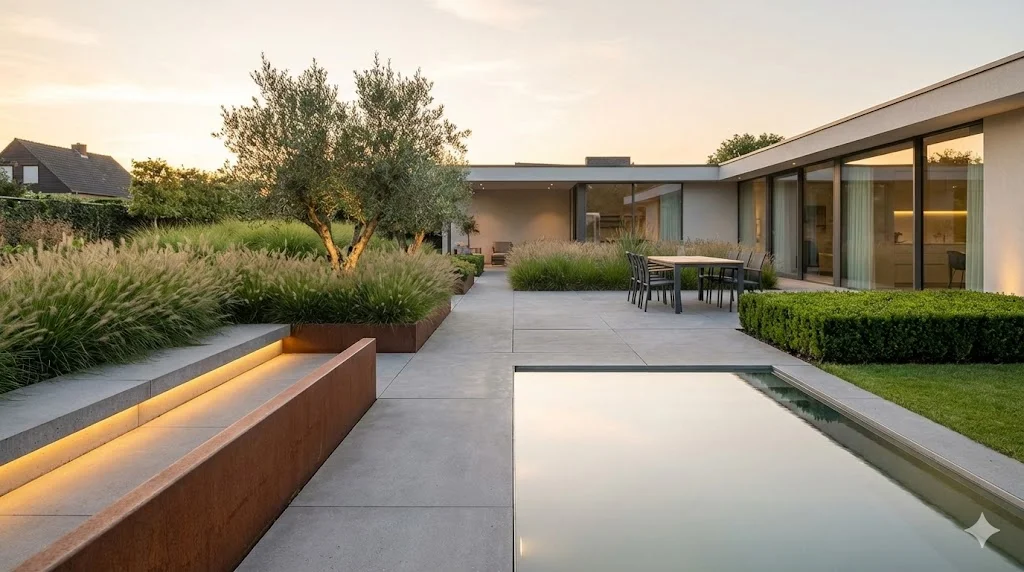
Garden Design Styles: The Complete Guide
Explore every major garden design style from cottage to Japanese, modern to Mediterranean. Find the perfect style for your space, climate, and taste.
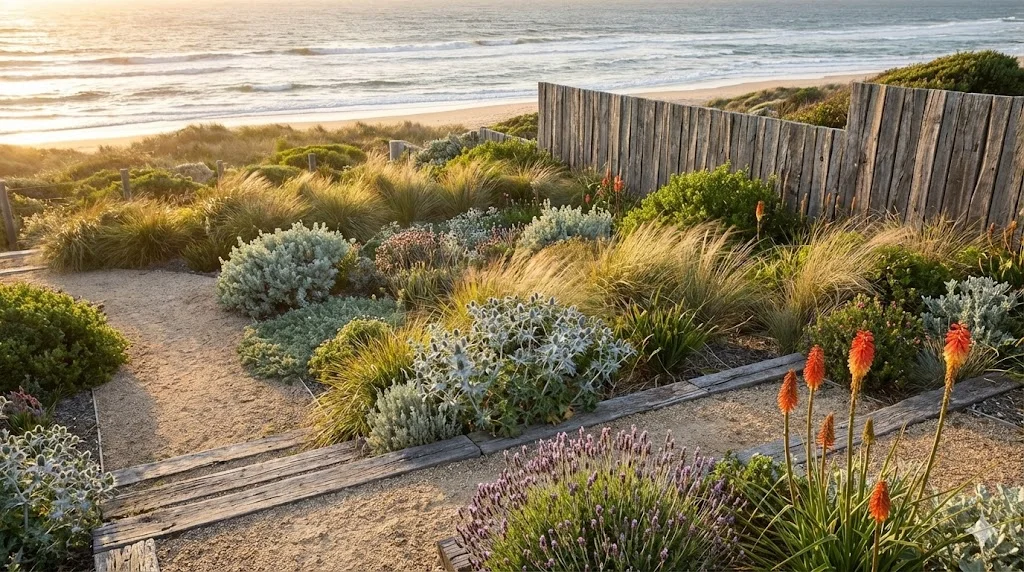
Coastal Garden Design: Salt-Tolerant Beauty
Design a beautiful coastal garden that thrives in salt spray, wind, and sandy soil. Discover the best seaside garden plants and design techniques for exposed sites.
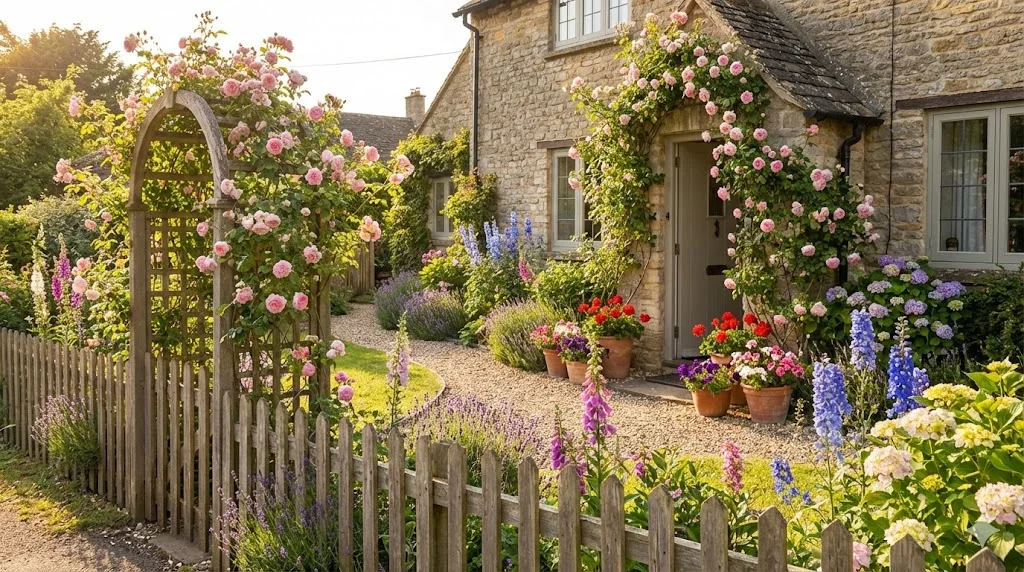
Cottage-Style Front Garden: Welcoming and Colorful
Transform your front garden into a welcoming cottage paradise with climbing roses, flower-lined paths, and seasonal color. Design tips for maximum curb appeal.