
Coastal Garden Design: Salt-Tolerant Beauty
Design a beautiful coastal garden that thrives in salt spray, wind, and sandy soil. Discover the best seaside garden plants and design techniques for exposed sites.
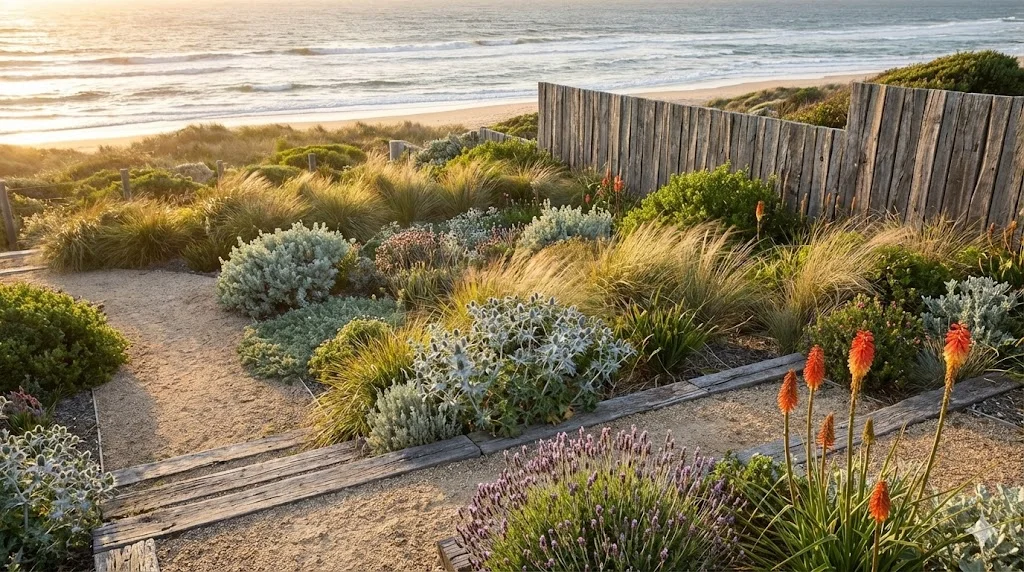
Coastal Garden Design: Salt-Tolerant Beauty
Gardening by the sea is one of the most rewarding challenges a gardener can take on. Where others see harsh winds and barren sand, the coastal gardener sees an opportunity to work with nature's most dramatic backdrop — the ocean itself. A well-designed coastal garden doesn't fight the elements; it embraces them. Silver-leaved shrubs shimmer in the breeze, ornamental grasses sway in rhythmic waves, and tough, salt-tolerant perennials produce flowers so vivid they seem to glow against the grey-blue horizon.
The secret to a thriving seaside garden is understanding the specific challenges of the coast and choosing plants and materials that are adapted to them. Get this right, and you'll have a garden that looks beautiful twelve months a year with far less intervention than many inland gardens require.
Understanding Coastal Challenges
Before selecting a single plant, it helps to understand the four forces that define coastal garden design: salt spray, wind, sandy soil, and intense sunlight. Each one shapes the kind of garden you can create, and each one can be turned to your advantage.
Salt Spray
Wind carries salt particles inland, sometimes for hundreds of meters. Salt deposits on leaves draw moisture out of plant tissue, causing scorching and dieback. Plants closest to the sea receive the heaviest dose, so your planting design must work in zones — the toughest, most salt-tolerant species at the front, with progressively less hardy plants sheltered behind.
Wind
Coastal wind is relentless. It stunts growth, desiccates foliage, and physically damages brittle stems. But wind also keeps fungal diseases at bay and provides excellent air circulation. The goal is not to block wind entirely — a solid wall creates damaging turbulence on the leeward side — but to filter it through permeable barriers that slow its speed without stopping it.
Sandy Soil
Sandy soil drains fast, warms quickly in spring, and is easy to dig. The downside is that nutrients and moisture pass straight through. Many seaside garden plants have evolved to thrive in precisely these conditions, with deep tap roots and waxy or silvery leaves that reduce water loss. For plants that need richer soil, you can improve individual planting areas with organic matter without trying to transform the entire garden.
Intense Sunlight
Coastal sites are often fully exposed, with reflected light from the sea adding to the intensity. This is paradise for sun-loving Mediterranean and South African plants. Silver and grey foliage — a hallmark of coastal garden design — is a natural adaptation to bright light, reflecting excess radiation to protect leaf tissue.
Designing a Windbreak: Layered Shelter
The single most important structural element in a coastal garden is the windbreak. A well-planned windbreak can reduce wind speed by up to 50 percent for a distance of ten times its height, transforming an exposed site into a series of sheltered microclimates where a far wider range of plants can flourish.
The Three-Layer Approach
The most effective coastal windbreaks use three layers of planting:
Outer barrier (seaward side): The toughest species that can take direct salt spray and full wind exposure. Tamarisk (Tamarix ramosissima) is a classic choice — its feathery foliage filters wind beautifully, and it thrives in salt-laden air. Escallonia, with its glossy evergreen leaves and pink or red flowers, is another superb coastal hedge plant that shrugs off salt spray.
Middle layer: Once the outer barrier reduces wind speed, the middle layer can include slightly less tough shrubs such as hebe, griselinia, olearia, and pittosporum. These evergreens provide year-round structure and additional wind filtration.
Inner layer (garden side): With two layers of protection, this zone can support a much wider range of ornamental planting — herbaceous perennials, bulbs, and even some plants that would never survive in the front line.
This layered approach creates a gradient of shelter. The further into the garden you move, the more protected the conditions become. When you plan your windbreak layout and visualize how it shapes sheltered zones, you can experiment with different plant heights and spacings before committing to the ground.
Hedges vs. Fences
A living hedge is almost always better than a solid fence in coastal conditions. Fences create a wall of turbulence on the leeward side and often blow down in storms. A hedge filters wind, bending with gusts rather than resisting them. If you need immediate shelter while a hedge grows, use a permeable fence (such as open-weave hurdle panels) as a temporary windbreak.
Choosing Salt-Tolerant Plants
The palette of seaside garden plants is far richer than many gardeners realize. These are not just survivors — they are beautiful, characterful plants that give a coastal garden its distinctive identity.
Structural Shrubs and Trees
- Tamarisk (Tamarix ramosissima): Feathery pink flower plumes in late summer; excellent as a windbreak or specimen tree. Tolerates extreme salt exposure.
- Escallonia: Evergreen, glossy leaves, masses of pink, red, or white flowers from early summer to autumn. One of the best coastal hedging plants available.
- Sea buckthorn (Hippophae rhamnoides): Thorny, silver-leaved, with vivid orange berries in autumn. Superb for wildlife and erosion control.
- Holm oak (Quercus ilex): Evergreen oak that withstands salt wind. Slow-growing but forms a magnificent specimen tree in time.
- Monterey pine (Pinus radiata) and maritime pine (Pinus pinaster): Classic coastal conifers that lean into the wind and develop beautifully sculptural forms.
Perennials and Flowering Plants
- Sea holly (Eryngium maritimum and E. bourgatii): Steely blue, thistle-like flower heads that are magnets for pollinators. Thrives in poor, sandy soil.
- Thrift (Armeria maritima): Neat cushions of grass-like foliage topped with round pink flower heads from late spring. A native coastal wildflower that looks equally at home in a designed border.
- Red hot poker (Kniphofia): Dramatic spikes of orange, yellow, or red that bring vertical accent and late-summer color. Extremely drought-tolerant once established.
- Agapanthus: Blue or white globe-shaped flower heads on tall stems. Thrives in free-draining coastal soil and full sun.
- Valerian (Centranthus ruber): Self-seeds freely in walls and gravel, producing clouds of deep pink or white flowers through summer.
- Sea lavender (Limonium): Clouds of tiny purple flowers on wiry stems. Excellent for late-season interest and as a cut flower.
Ornamental Grasses
Grasses are the soul of a coastal garden. They catch the wind, creating movement and sound that connect the garden to the sea beyond.
- Pampas grass (Cortaderia selloana): The classic seaside grass. Huge, feathery plumes in late summer. Plant where it has space to reach full size.
- Blue lyme grass (Leymus arenarius): Intensely blue-grey foliage. Spreads vigorously — ideal for stabilizing sandy slopes but needs containment in borders.
- Stipa tenuissima (Mexican feather grass): Fine, silky texture that catches every breath of wind. Self-seeds gently in gravel.
- Miscanthus sinensis: Tall, arching habit with feathery flower plumes in autumn. Many cultivars available in silver, pink, and copper tones.
- Festuca glauca (blue fescue): Compact, steel-blue tufts. Perfect for edging or ground cover in gravel gardens.
For a deeper look at how coastal garden design fits into the broader world of garden styles, see our complete guide to garden design styles.
Gravel and Pebble Mulching
Gravel is the natural surface of the coast, and it works brilliantly in a seaside garden. A layer of gravel or pebble mulch over the soil surface does several things at once: it suppresses weeds, reduces moisture evaporation from sandy soil, keeps plant crowns dry (preventing rot), and reflects light and warmth to the plants above. It also looks completely at home in a coastal setting.
Choosing the Right Gravel
Match your gravel to the local landscape. Near chalk cliffs, pale flint gravel feels natural. On a granite coast, darker grey or mixed pebbles blend in. Avoid anything that looks imported or artificial — the charm of a coastal gravel garden comes from the sense that it belongs.
Lay gravel 3-5 cm deep over a weed-suppressing membrane, or directly over sandy soil if you want self-seeding plants like valerian and stipa to colonize naturally. Leave planting pockets where you want more substantial plants, filling these with improved soil before planting and mulching around the plant crown with gravel.
Dune-Style Planting in Gravel
One of the most beautiful effects in coastal garden design is dune-style planting: grasses, thrift, sea holly, and low shrubs emerging from a sea of pebbles, echoing the natural patterns of a dune system. The key is restraint — leave generous space between plants and let the gravel dominate. This is a style where less planting creates more impact.
The Coastal Color Palette
The natural colors of the coast — silver, blue, grey-green, soft purple, and sandy gold — form one of the most harmonious palettes in garden design. Working within this palette creates a garden that feels inseparable from its setting.
Silver and Grey Foliage
Silver-leaved plants are not just beautiful; their coloring is a physical adaptation to coastal conditions. The fine hairs or waxy coatings that create the silver effect also reduce water loss and reflect excess sunlight. Plant them generously: lavender, artemisia, senecio, santolina, and stachys all provide year-round silver foliage.
Blue and Purple Flowers
Blue flowers — agapanthus, sea holly, echinops, and nepeta — look especially vivid against silver foliage and the grey-blue tones of sea and sky. Add purple through salvias, alliums, and lavender to deepen the color scheme without introducing jarring notes.
Warm Accents
A garden of only silver and blue can feel cold. Warm it up with strategic accents of coral, apricot, and soft orange. Kniphofia, crocosmia, and hemerocallis (daylilies) provide punches of warmth that make the cool tones sing by contrast. Use these accents sparingly — they are most effective when they feel like surprises rather than the dominant theme.
Seaside Structures and Materials
The hard landscaping in a coastal garden should weather gracefully, taking on the patina of salt air and sun. Choose materials that look better with age, not worse.
Driftwood and Reclaimed Timber
Driftwood is the signature material of the seaside garden. Use it as sculptural focal points, informal edging, or supports for climbing plants. Reclaimed timber — weathered to a silver-grey finish — works beautifully for raised beds, seating, and simple pergola structures.
Rope and Nautical Details
Thick natural rope makes effective and characterful fencing when strung between timber posts. It filters wind while adding a genuinely coastal detail. Use it along path edges or as a low boundary that guides movement without blocking views.
Weathered Timber and Stone
Hardwood sleepers, weathered oak posts, and local stone are the structural backbone of a coastal garden. Avoid painted or treated timber that will peel and flake in salt air. Instead, let wood weather naturally to grey. For paths and patios, consider local stone or reclaimed brick laid on a sand bed — this drains freely and suits the informal character of a seaside garden.
Drainage in Sandy Soil
Sandy soil is a double-edged sword. It drains so freely that nutrients and moisture pass straight through, leaving plants thirsty and hungry. But it also means waterlogging is almost never a problem, and root rot — the scourge of heavy clay gardens — is rare.
Improving Moisture Retention
For plants that need more moisture, dig generous planting holes and backfill with a mix of the existing sand and well-rotted compost or composted bark. This creates a sponge effect around the root zone without changing the wider soil character. A thick gravel mulch on top further reduces evaporation.
Dealing with Erosion
On sloping coastal sites, erosion can be a serious issue. Stabilize slopes with deep-rooting plants — blue lyme grass, sea buckthorn, and native marram grass are all excellent for binding sandy soil. On steeper slopes, consider terracing with timber sleepers or stone, creating level planting shelves that slow water runoff and hold soil in place. If you're working with sloped or uneven terrain, mapping the contours of your site in a design plan helps you identify where terracing and drainage will be most effective.
Creating Sheltered Microclimates
Even the most exposed coastal site contains — or can be made to contain — sheltered microclimates. A south-facing wall absorbs heat during the day and radiates it at night, creating a zone several degrees warmer than the open garden. A sunken seating area surrounded by dense planting gives shelter from wind while keeping you in the sun.
Courtyard Zones
If your garden is large enough, divide it into rooms using hedges and walls. The innermost rooms, fully sheltered by surrounding planting, can support tender plants that would never survive in the open — citrus in pots, echiums, aeoniums, and other exotics that love warmth, drainage, and sun but hate cold wind.
Raised Beds as Warm Pockets
Raised beds built from timber or stone create their own microclimate. The elevated soil warms faster in spring, drains freely, and the walls provide a degree of wind shelter for low-growing plants. Fill them with a free-draining mix and plant with Mediterranean herbs — rosemary, thyme, sage, and oregano all thrive in these conditions.
Coastal Garden Maintenance
One of the great advantages of a well-designed coastal garden is that it tends to be relatively low maintenance. Salt-tolerant plants are, by definition, tough. But there are a few seasonal tasks worth keeping on top of.
Spring
- Cut back ornamental grasses to ground level before new growth begins.
- Remove any salt-scorched foliage from evergreen shrubs.
- Mulch borders with fresh gravel or compost.
- Check windbreak hedges for gaps and plant replacements where needed.
Summer
- Water newly planted specimens during dry spells until established (usually the first two seasons).
- Deadhead perennials to extend flowering, or leave seed heads for wildlife and winter interest.
- Trim escallonia and other flowering hedges after their main flush.
Autumn
- Plant new shrubs and trees while the soil is still warm — they'll establish root systems before winter.
- Leave grass seed heads standing for winter structure and bird food.
- Secure any structures (fences, pergolas, raised bed timbers) before storm season.
Winter
- Coastal gardens often look their best in winter, when the skeletal forms of grasses, seed heads, and bare branches stand out against the sea. Resist the urge to tidy everything away — this is the season when the garden's structure is most visible, and the frost-rimed shapes of sea holly and miscanthus are genuinely beautiful.
Bringing It All Together
A coastal garden designed with these principles — layered windbreaks, salt-tolerant planting, natural materials, and a restrained coastal palette — becomes a space that feels inevitable, as if the garden grew from the landscape rather than being imposed upon it. That sense of belonging is the hallmark of great garden design in any setting, but it is especially powerful by the sea.
If you're drawn to gardens that work with tough conditions rather than against them, you might also enjoy our guides to gravel garden design and tropical garden design, which share the same philosophy of choosing plants that love your conditions rather than struggling against them.
The coast is one of the most dramatic settings a gardener can work with. Embrace its challenges, choose plants that thrive in its conditions, and you'll create a garden that is not only beautiful but deeply connected to the landscape around it. Salt-tolerant, wind-resistant, and full of character — a coastal garden is a garden that earns its beauty every single day.
Garden Design Team
Expert garden designers sharing tips, inspiration, and practical advice for creating beautiful outdoor spaces.
Explore professional garden design
Scapiera is a paid professional garden-design application. See plans for included capabilities and availability.
Join the waitlistRelated articles
Garden Design Styles: The Complete Guide
Explore every major garden design style from cottage to Japanese, modern to Mediterranean. Find the perfect style for your space, climate, and taste.
Cottage-Style Front Garden: Welcoming and Colorful
Transform your front garden into a welcoming cottage paradise with climbing roses, flower-lined paths, and seasonal color. Design tips for maximum curb appeal.
Cutting Garden Design: Growing Flowers for Bouquets
Design a productive cutting garden that provides fresh flowers for bouquets all season long. Expert tips on dahlias, sweet peas, and succession planting.