
Garden Trends 2026: What's New in Garden Design
Discover the top garden design trends for 2026, from naturalistic planting and sustainable materials to outdoor wellness spaces and new plant varieties.
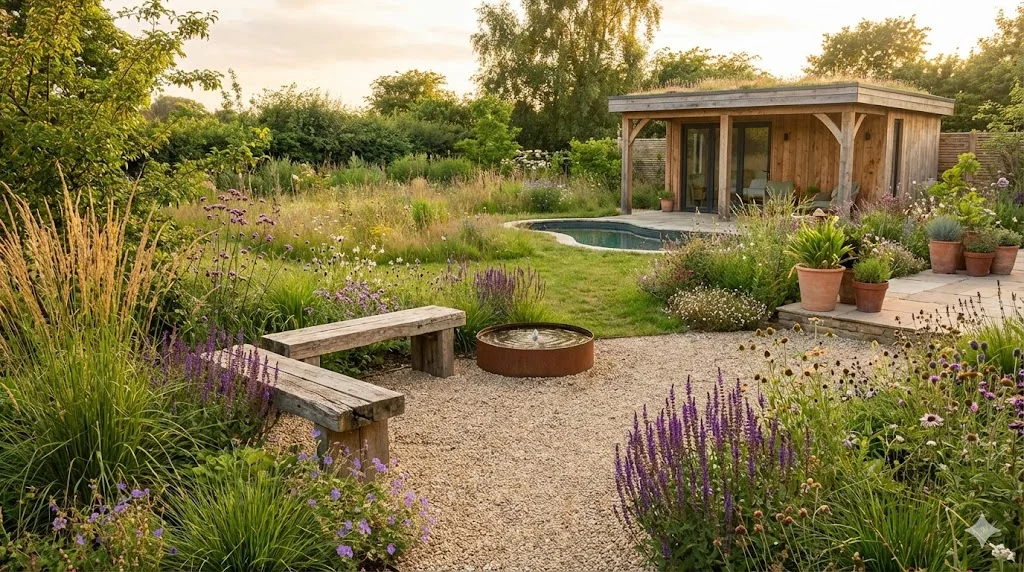
Garden Trends 2026: What's New in Garden Design
Garden design, like any design discipline, evolves. While the fundamental principles of good planting, proportion, and spatial design remain timeless, the materials we use, the styles we favour, and the ways we think about our gardens shift year by year. In 2026, garden design reflects our deepening awareness of climate, our desire for connection with nature, and a growing understanding that outdoor space is not a luxury but a necessity for wellbeing.
This year's trends are not fleeting fashions. They represent a maturation of ideas that have been building for several years — naturalistic planting reaching mainstream acceptance, sustainability moving from aspiration to expectation, and the garden being recognized as a space for mental and physical health. Here is what is shaping garden design in 2026.
1. The Rise of "Rewilding Light"
Full-scale rewilding — letting nature take over completely — is gaining traction in public landscapes, but in private gardens, 2026 sees the emergence of what might be called "rewilding light." This is the deliberate integration of wild elements into designed gardens.
Rather than abandoning design, rewilding light means:
- Designating wild zones: A corner of the garden left unmown, planted with native wildflowers and allowed to self-seed.
- Naturalised planting: Bulbs, perennials, and grasses planted to look as though nature placed them, following the principles of meadow ecology.
- Relaxed maintenance: Accepting (and celebrating) imperfection — a few weeds among the wildflowers, slightly ragged edges, and plants allowed to complete their full lifecycle.
- Wildlife corridors: Deliberate gaps in fences, log piles, and unraked leaf litter that connect your garden to the wider ecosystem.
"The 2026 garden does not try to control nature — it collaborates with it."
This trend overlaps with the growing interest in pollinator-friendly garden design and no-mow lawn alternatives.
2. Naturalistic Planting Goes Mainstream
Naturalistic planting — pioneered by designers like Piet Oudolf and Nigel Dunnett — has moved decisively from the design avant-garde to the mainstream. In 2026, even traditional gardeners are embracing matrix planting, prairie-style borders, and steppe-inspired schemes.
Key characteristics of this trend:
- Grasses as equals, not fillers: Ornamental grasses are now co-stars rather than supporting players, used in bold sweeps alongside flowering perennials.
- Plant communities, not specimens: Planting schemes mimic natural plant communities, with species chosen for ecological compatibility rather than just visual effect.
- Year-round thinking: Naturalistic planting inherently supports year-round interest because plants are chosen for their full lifecycle — flower, seed head, autumn colour, and winter silhouette.
- Reduced maintenance: Matrix planting requires less watering, less staking, and less deadheading than traditional border styles.
3. Sustainable Materials Become Standard
In previous years, sustainable materials in garden design were an option. In 2026, they are becoming the expectation. Garden owners and designers alike are asking harder questions about the origin and impact of hardscape materials.
Key shifts include:
- Reclaimed and recycled materials: Reclaimed brick, recycled composite decking, and salvaged stone are preferred over new quarried materials.
- Permeable paving: Awareness of urban flooding has driven demand for paving that allows water to drain naturally — gravel, permeable pavers, and resin-bound surfaces.
- FSC-certified timber: Sustainably sourced wood for raised beds, fencing, and structures.
- Local sourcing: Reducing transport emissions by using stone and materials sourced locally.
- Peat-free by default: Peat-free composts and growing media are now standard rather than specialty products.
For a deeper dive, see our guide on sustainable materials for garden hardscape.
4. The Outdoor Wellness Garden
The pandemic era cemented the garden's role as a space for mental and physical health. In 2026, this has evolved into a distinct design trend: the outdoor wellness garden.
Elements of this trend include:
- Cold water features: Inspired by the wild swimming and cold-water therapy movements, small plunge pools and outdoor showers are appearing in garden designs.
- Meditation corners: Quiet, enclosed spaces designed for reflection, often drawing on Japanese or Zen garden principles.
- Sensory planting: Plants chosen specifically for fragrance, texture, and sound — rustling grasses, fragrant herbs, tactile mosses.
- Kitchen gardens for nutrition: A renewed focus on growing food, not just as a hobby but as part of a health-conscious lifestyle.
- Barefoot paths: Textured pathways designed to be walked barefoot, inspired by German Kneipp therapy gardens.
5. Climate-Adapted Planting
As weather patterns become more extreme — hotter summers, wetter winters, unpredictable frosts — gardeners in 2026 are increasingly choosing plants adapted to these conditions rather than fighting against them.
This manifests as:
- Mediterranean and steppe plants in northern gardens: Lavender, rosemary, salvias, and grasses that tolerate both heat and poor drainage.
- Rain gardens and bioswales: Designed to capture and filter stormwater runoff, these features are moving from public landscapes into private gardens.
- Drought-tolerant planting zones: Areas of the garden designed to thrive without supplemental irrigation, using xeriscaping principles even in traditionally wet climates.
- Flexible seasonal timing: Gardeners adjusting planting and pruning schedules in response to earlier springs and later autumns.
6. The "Third Space" Garden
The concept of the garden as a "third space" — neither fully indoor nor outdoor, but something between — continues to evolve. In 2026, this means:
- Garden rooms with roofs: Covered outdoor rooms that extend the usable season, from simple roofed pergolas to fully insulated garden studios.
- Blurred indoor-outdoor boundaries: Bifold doors opening onto seamless paved areas, with planting flowing from outside to inside.
- Working from the garden: Garden offices and studios remain popular, but 2026 sees them becoming more integrated with the garden design itself rather than standing as isolated pods.
- Multi-functional spaces: Gardens designed to accommodate yoga, dining, working, and socializing, often in the same footprint.
7. Technology-Assisted Gardening
Technology in the garden is becoming more sophisticated and more seamlessly integrated in 2026.
- Smart irrigation: Sensor-driven systems that water only when and where needed, reducing water waste dramatically.
- Digital design tools: More gardeners are using digital tools to plan and visualise their gardens before committing to physical changes, reducing waste and improving design outcomes.
- Soil monitoring: Affordable sensors that track soil moisture, temperature, and nutrient levels, helping gardeners make data-driven decisions.
- Garden lighting automation: Programmable systems that adjust to seasons, weather, and time of day.
"Technology in the garden should be invisible — enhancing the experience without dominating it."
8. Colour Trends: Earth and Warmth
The colour palette of 2026 gardens leans toward warmth and earthiness:
- Terracotta and clay tones: In both hardscape materials and plant choices, warm earthy reds and oranges are replacing the cool greys that dominated recent years.
- Burnished metals: Corten steel, copper, and brass accents in planters, water features, and edging.
- Warm neutrals: Cream, sand, and warm stone replacing stark white in garden furniture and structures.
- Plant palette: A shift toward warm-toned flowers — heleniums, dahlias, chrysanthemums in amber, rust, and copper — with grasses providing the golden thread that ties schemes together.
9. Edible Meets Ornamental
The old division between the vegetable patch and the ornamental garden continues to dissolve in 2026. More designers are integrating edible plants into borders, containers, and structural planting:
- Fruit trees as focal points: Espaliered apples, fan-trained cherries, and standard-trained fig trees used as design elements.
- Herbs in borders: Rosemary, sage, fennel, and chives treated as ornamental perennials.
- Edible hedging: Hazel, damson, and blackthorn hedges that provide food as well as structure.
- Beautiful food gardens: Raised beds designed with the same care as flower borders, using materials and layouts that look as good as they produce.
10. Maximalism Returns (With Discipline)
After years of minimalist, restrained garden design, 2026 sees a return to richness and abundance — but with design discipline:
- Layered planting: Borders with five or six layers of planting, from ground cover through shrub layer to canopy trees.
- Pattern and decoration: Patterned tiles, decorative containers, and ornate metalwork making a comeback.
- Bold colour combinations: Gardeners growing braver with colour clashes and saturated hues.
- Collections with purpose: Collecting and displaying multiple varieties of a single genus — dahlias, salvias, hostas — as a deliberate design feature.
How These Trends Connect to Year-Round Design
Many of 2026's trends naturally support the principle of year-round garden interest. Naturalistic planting inherently provides multi-season beauty. Climate-adapted plants tend to be resilient across seasons. Sustainable practices — leaving seed heads, reducing chemicals, building healthy soil — create gardens that look good in winter as well as summer.
For a complete guide to designing gardens that perform in every season, see our year-round garden design seasonal guide.
Getting Started with 2026 Trends
Trends are most useful when adapted to your own garden and preferences. Here are three practical ways to bring 2026's ideas into your outdoor space:
- Designate one wild corner. Stop mowing a patch of lawn, scatter wildflower seed, and let it grow. This single action connects your garden to the rewilding light movement and supports pollinators immediately.
- Replace one material. If you are planning any hardscape work, choose one sustainable or reclaimed material instead of a conventional option. Permeable paving instead of solid concrete, reclaimed brick instead of new — small swaps add up.
- Add grasses. If you have not yet embraced ornamental grasses, start with one: Calamagrostis 'Karl Foerster' is nearly indestructible and provides vertical drama from June through the entire winter.
The best gardens are not slaves to fashion, but they are alive to ideas. Let 2026's trends inspire you to experiment, question old assumptions, and design a garden that works harder for you and for the planet.
Garden Design Team
Expert garden designers sharing tips, inspiration, and practical advice for creating beautiful outdoor spaces.
Explore professional garden design
Scapiera is a paid professional garden-design application. See plans for included capabilities and availability.
Join the waitlistRelated articles
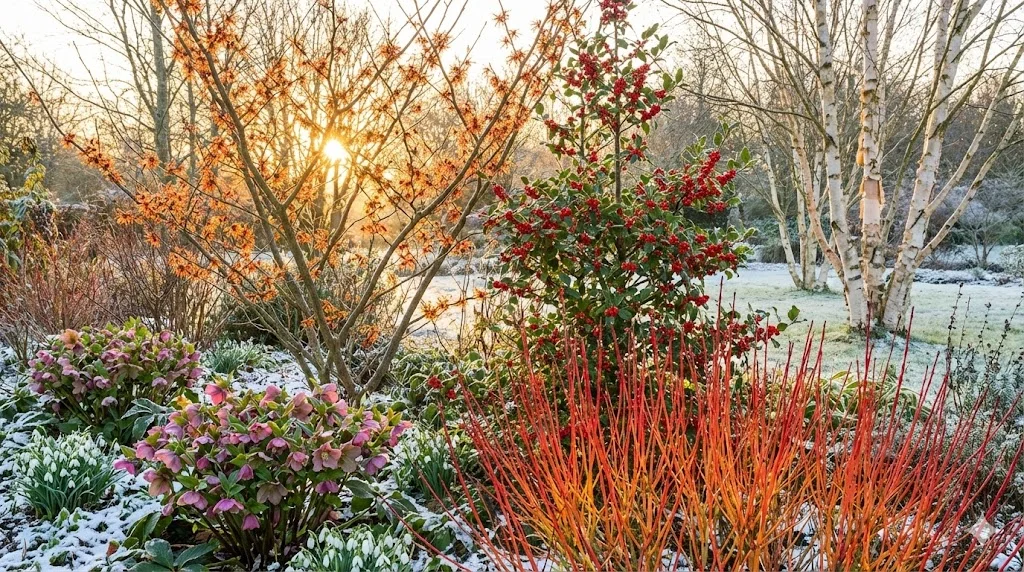
Best Plants for Winter Color and Berries
Discover the best plants for winter color and berries, including winterberry holly, dogwood stems, witch hazel, snowdrops, hellebores, and ornamental bark.
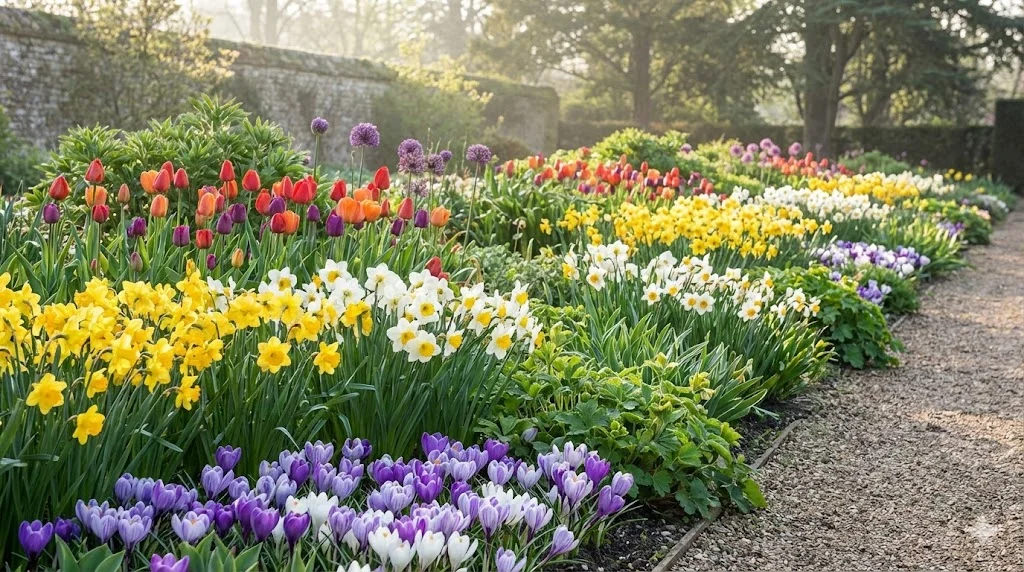
Best Spring Bulbs for Garden Design Impact
Discover the best spring bulbs for garden design impact, from tulips and alliums to layered bulb planting techniques for weeks of spectacular colour.
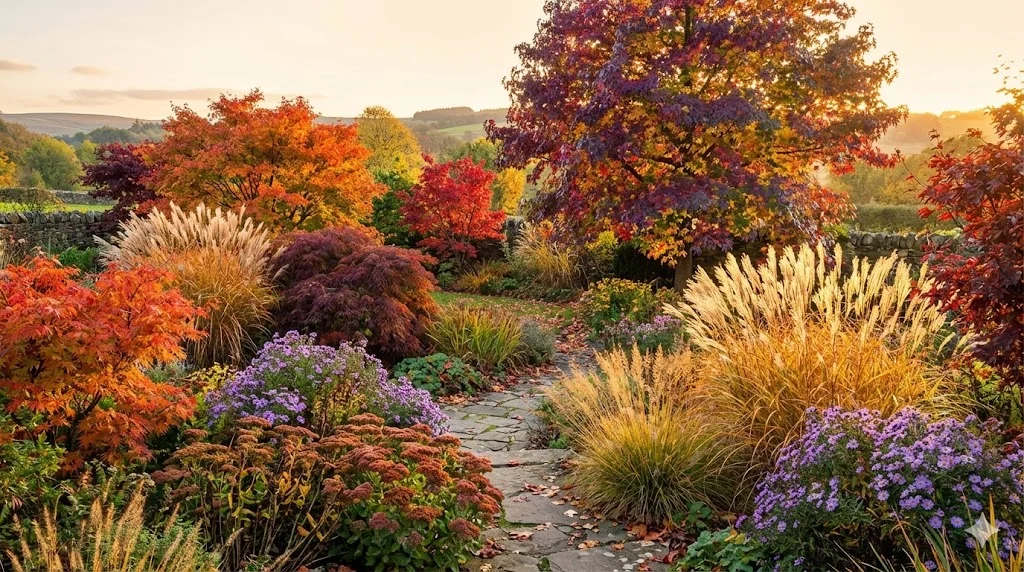
Designing for Autumn Color: Trees, Shrubs, and Perennials
Design for spectacular autumn color with the best trees, shrubs, and perennials for fall foliage including Japanese maples, ornamental grasses, and warm palettes.