
Herb Garden Design: Layout, Plants, and Planning
Design a beautiful herb garden with the perfect layout for your space. From formal herb knots to simple kitchen herb beds, plan a productive and fragrant garden.
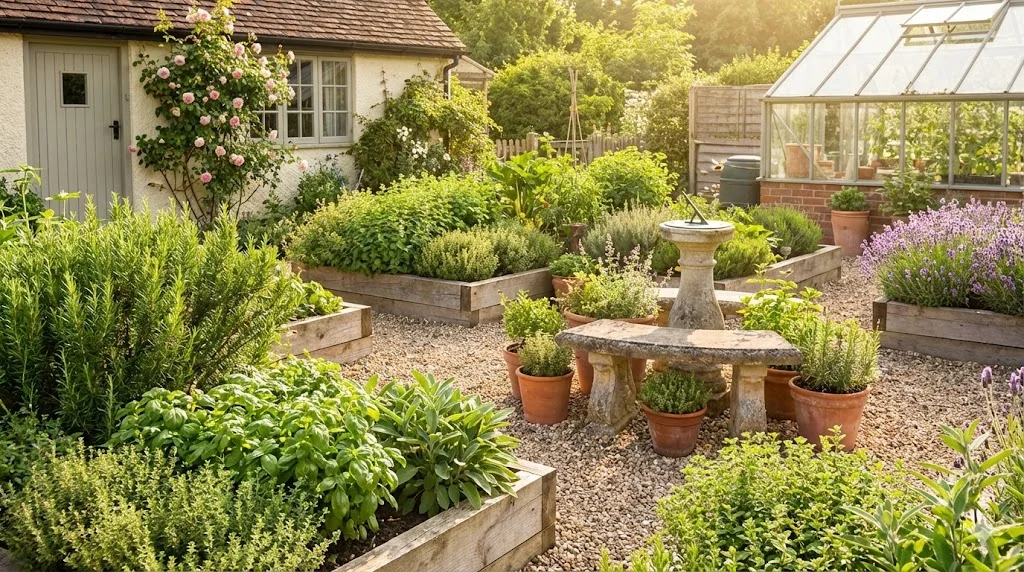
Few things in the garden reward you as generously as a well-planned herb garden. Step outside to snip fresh rosemary for a roast, gather a handful of basil for a summer salad, or brush past a lavender border and carry its fragrance indoors. A thoughtful herb garden design brings beauty, scent, and flavor together in a single planting, and whether you have a sprawling country plot or a modest balcony, there is a layout that fits your space perfectly.
Herbs have been at the heart of garden making for centuries. Medieval monastery gardens arranged medicinal plants in neat rectangles. Elizabethan knot gardens wove low hedges of germander and thyme into intricate patterns. Cottage gardeners tucked herbs among their flowers, while modern kitchen gardeners raise them in sleek timber beds just steps from the back door. The enduring appeal of herb gardening lies in its simplicity: most culinary herbs ask for little more than sunshine, decent drainage, and regular picking.
This guide walks you through the major herb garden layout styles, the essential culinary herbs every cook should grow, the growing conditions each one needs, and practical advice on companion planting, construction, harvesting, and keeping herbs productive through all four seasons.
Choosing an Herb Garden Layout
The right layout depends on the space you have, the look you want, and how you plan to use your herbs. Here are five classic approaches to herb garden design.
The Formal Herb Knot
A knot garden is one of the oldest and most striking ways to grow herbs. Low hedges of box, santolina, or dwarf lavender are planted in interlocking patterns, with the spaces between filled with culinary and aromatic herbs. The effect is architectural and elegant, turning the herb garden into a feature that looks beautiful even in winter when the perennial structure remains.
Knot gardens work best on a flat, open site where their symmetry can be appreciated from above, perhaps from an upstairs window or a raised terrace. They demand precise planting and regular clipping, so they suit gardeners who enjoy the ritual of maintenance. If you are drawn to the order and elegance of geometric planting, you might also enjoy our guide to formal garden design and the art of symmetry and structure.
The Cartwheel Herb Garden
The cartwheel layout divides a circular bed into wedge-shaped segments radiating from a central point, much like the spokes of a wheel. Each segment holds a different herb, making it easy to organize plants by use, growing habit, or watering need. A central feature, perhaps a terracotta pot of bay or a small sundial, anchors the design.
This layout is a wonderful compromise between formality and informality. It has clear structure, but the herbs themselves can spill and soften the edges. A cartwheel bed around two meters across provides enough room for eight to ten varieties and fits comfortably into most back gardens.
The Raised Bed Herb Garden
Raised beds solve several problems at once. They improve drainage, which Mediterranean herbs like rosemary, thyme, and oregano insist upon. They warm up faster in spring, giving heat-loving basil a head start. And they bring the herbs closer to hand, making harvesting and weeding far more comfortable.
Timber, stone, brick, or galvanized steel all make good edging materials. A bed 1.2 meters wide allows you to reach the center from either side without stepping on the soil. If you are building more than one bed, leave paths at least 60 centimeters wide between them so you can move with a wheelbarrow or kneel comfortably.
Raised beds are also an excellent choice for growing vegetables alongside herbs, creating a combined kitchen garden that is both productive and beautiful.
The Herb Border
If you already have flower borders, weaving herbs into them is the simplest approach of all. Tall herbs like fennel, dill, and angelica work at the back. Mid-height rosemary, sage, and lemon balm fill the middle ranks. Low-growing thyme, chamomile, and parsley creep along the front. The result is a border that looks, smells, and tastes wonderful, and that attracts a constant stream of pollinators.
The Container Herb Garden
No garden at all? No problem. Herbs are among the most willing container plants. A sunny doorstep, a windowsill, or a balcony railing can support a productive collection. Terracotta pots, wooden troughs, and even recycled tins all work, provided they have drainage holes. Grouping pots together creates a miniature herb garden that is easy to rearrange as the seasons change.
Ten Essential Culinary Herbs
A well-stocked herb garden does not need dozens of varieties. These ten workhorses cover most kitchen needs and offer a range of growing habits, textures, and fragrances.
Basil is the king of summer herbs. It loves warmth, resents cold winds, and needs rich, moist soil. Sow successionally from late spring for a continuous supply. Pinch out flower buds to keep leaves coming.
Rosemary is an evergreen Mediterranean shrub that thrives in full sun and sharply drained soil. It tolerates drought once established and can live for decades. Choose upright varieties for hedging or prostrate forms to cascade over walls.
Thyme is another sun-loving evergreen. Common thyme is the kitchen staple, but lemon thyme adds a bright citrus note. Plant it in gravel, between paving stones, or along the edge of a raised bed where it can bake in reflected heat.
Sage produces soft, silvery-green leaves on woody stems. It prefers well-drained soil and full sun. Purple sage and tricolor sage add ornamental value to the herb garden layout.
Parsley is a biennial that grows best in rich, moisture-retentive soil with some afternoon shade. Flat-leaf varieties have stronger flavor; curly-leaf types make attractive edging. Sow fresh seed each year, as second-year plants bolt quickly.
Chives are the easiest allium you will ever grow. They form neat clumps of grassy leaves topped with purple pompom flowers that bees adore. Divide clumps every few years to keep them vigorous.
Mint is famously vigorous and will colonize an entire bed if given the chance. Contain it in a buried pot or a dedicated raised bed. Spearmint and peppermint are the most useful culinary varieties, but chocolate mint and apple mint are worth growing for their novelty.
Oregano is closely related to marjoram and shares its love of sun and free-draining soil. Greek oregano has the strongest flavor for cooking. Let it flower in summer and it will draw clouds of butterflies.
Dill is an annual with feathery foliage and flat-topped yellow flower heads. It bolts quickly in hot weather, so sow every three to four weeks for a steady harvest. It pairs beautifully with fennel in the border but keep it away from carrots, as it can cross-pollinate with wild relatives.
Coriander divides opinion at the table but earns its place in every herb garden. It runs to seed rapidly in warmth, so sow little and often and choose slow-bolt varieties. The seeds are as useful in the kitchen as the leaves.
Growing Conditions at a Glance
Matching herbs to the right spot is the single most important decision in herb garden design. Most culinary herbs fall into two broad camps.
Sun and drainage lovers include rosemary, thyme, oregano, sage, and lavender. These Mediterranean natives want at least six hours of direct sun, lean soil, and sharp drainage. Heavy clay or waterlogged ground will kill them faster than any frost.
Moisture and fertility lovers include basil, parsley, chives, coriander, dill, and mint. These herbs prefer richer soil that stays evenly moist, and some appreciate a little afternoon shade in the hottest weeks of summer.
When planning your herb garden layout, group plants with similar needs together. This makes watering efficient and keeps each herb in its comfort zone. Visualizing plant groupings before you dig can save you from costly mistakes and help you see how different herbs will look side by side across the seasons.
Companion Planting with Herbs
Herbs are some of the garden's best companions. Their aromatic oils confuse pests, their flowers feed pollinators, and their root systems can improve soil structure.
Plant basil near tomatoes to deter aphids and, some gardeners swear, to improve flavor. Grow chives alongside roses to discourage black spot. Tuck thyme and oregano among brassicas to mask their scent from cabbage white butterflies. Scatter dill through the vegetable patch to attract hoverflies, whose larvae devour greenfly by the hundred.
Mint repels flea beetles and ants but must be contained or it will smother its neighbors. Rosemary and sage planted together create a fragrant barrier that many pests avoid. Parsley, left to flower in its second year, attracts beneficial wasps that parasitize caterpillars.
Companion planting is not an exact science, but centuries of kitchen-garden tradition support these pairings. The key is diversity: a herb garden rich in different species creates a balanced ecosystem where no single pest can gain the upper hand.
Designing a Formal Herb Knot
If you want to try a knot garden, start with a simple two-plant design. Choose two contrasting hedging plants, for example, dark green dwarf box and silvery cotton lavender. Mark out a square bed, ideally two to three meters on each side, and draw your interlocking pattern on paper first.
Transfer the design to the ground using sand poured from a bottle to mark the planting lines. Set plants 15 centimeters apart for a dense hedge within two growing seasons. Fill the internal compartments with culinary herbs, gravel, or colored mulch. Clip the hedges three or four times a year to maintain crisp lines.
A formal knot herb garden is a living piece of garden artistry. It connects you to a tradition stretching back five hundred years and gives structure to even the smallest plot. If you are exploring different garden styles, our complete guide to garden design styles covers knots, parterres, and many more traditions in detail.
Building a Raised Bed Herb Garden
Raised beds are the most practical choice for a dedicated kitchen herb garden. Here is a straightforward approach to construction.
Choose a site that receives at least six hours of sun. Level the ground and lay a weed-suppressing membrane if the underlying soil is weedy. Build your frame from untreated hardwood sleepers, thick scaffold boards, or mortared brick. A height of 30 to 45 centimeters is ideal for most herbs and keeps the bed manageable.
Fill the bed with a mix of topsoil, garden compost, and horticultural grit in roughly equal parts. This blend provides nutrients, moisture retention, and the drainage that herbs demand. For Mediterranean herbs, increase the grit proportion. For moisture lovers like parsley and mint, add more compost.
Lay out your herbs before planting. Place tall herbs like rosemary and sage at the back or center, medium herbs like basil and oregano in the middle, and low creepers like thyme along the edges. Leave enough space for each plant to reach its mature spread without crowding its neighbors.
Container Herb Gardens for Small Spaces
When ground space is limited, containers let you grow a surprisingly productive herb garden on a patio, balcony, or even a sunny windowsill.
Choose pots at least 20 centimeters in diameter for individual herbs, or use troughs and window boxes for mixed plantings. Ensure every container has drainage holes and use a free-draining potting mix, ideally a peat-free multipurpose compost blended with perlite or grit.
Group pots by watering need. Rosemary, thyme, and sage can share a sunny corner and tolerate drying out between waterings. Basil, parsley, and coriander need more consistent moisture and benefit from a slightly sheltered spot.
Feed container herbs with a dilute liquid feed every two weeks during the growing season. Repot perennial herbs each spring, refreshing the compost and trimming the roots if they have become congested. With the right planning tools, even a compact balcony herb garden can be arranged to maximize sunlight and accessibility throughout the year.
Harvesting and Succession Sowing
The secret to a productive herb garden is regular harvesting. Picking encourages bushy, compact growth and prevents herbs from flowering and going to seed prematurely.
Harvest leafy herbs like basil, parsley, and coriander by cutting whole stems rather than plucking individual leaves. This stimulates new growth from the base. Woody herbs like rosemary, thyme, and sage respond best to light, frequent trimming. Never remove more than a third of the plant at once.
Succession sowing keeps fast-growing annuals in constant supply. Sow basil, coriander, and dill every three to four weeks from mid-spring through midsummer. Start seeds in small pots or module trays and transplant into gaps as older plants are harvested or bolt.
Parsley benefits from two main sowings, one in early spring and another in midsummer, to ensure leaves through autumn and into winter. Chives can be cut to the ground several times a season and will regrow vigorously each time.
Year-Round Herbs
With a little planning, your herb garden can provide fresh flavors in every season.
Spring brings new growth on perennial herbs and is the time to sow annuals. Chives, mint, and lemon balm are among the first to emerge. Start basil and coriander under cover.
Summer is the season of abundance. Harvest freely and dry or freeze surplus herbs for later. Deadhead flowering herbs to prolong the leafy harvest.
Autumn is the time to take cuttings of rosemary, sage, and thyme for insurance plants. Pot up a clump of chives and a parsley plant to bring indoors for winter windowsill growing. Sow hardy herbs like chervil and winter savory for late-season picking.
Winter reveals the structural beauty of evergreen herbs. Rosemary, thyme, sage, and bay keep their leaves through the coldest months, providing fresh pickings when the rest of the garden sleeps. A sheltered cold frame or unheated greenhouse extends the season for tender herbs.
Bringing Your Herb Garden to Life
A well-designed herb garden is one of the most rewarding projects any gardener can undertake. It brings together beauty, fragrance, flavor, and ecology in a single planting that earns its place every day of the year. Whether you choose the formal elegance of a knot garden, the practicality of raised beds, or the simplicity of a few pots by the kitchen door, the principles remain the same: match your herbs to their preferred conditions, plant with purpose, harvest often, and enjoy the extraordinary generosity of these ancient and indispensable plants.
Start with a clear plan, choose the layout that suits your space and style, and let the herbs do what they do best: grow, flourish, and fill your garden and kitchen with life.
Garden Design Team
Expert garden designers sharing tips, inspiration, and practical advice for creating beautiful outdoor spaces.
Explore professional garden design
Scapiera is a paid professional garden-design application. See plans for included capabilities and availability.
Join the waitlistRelated articles
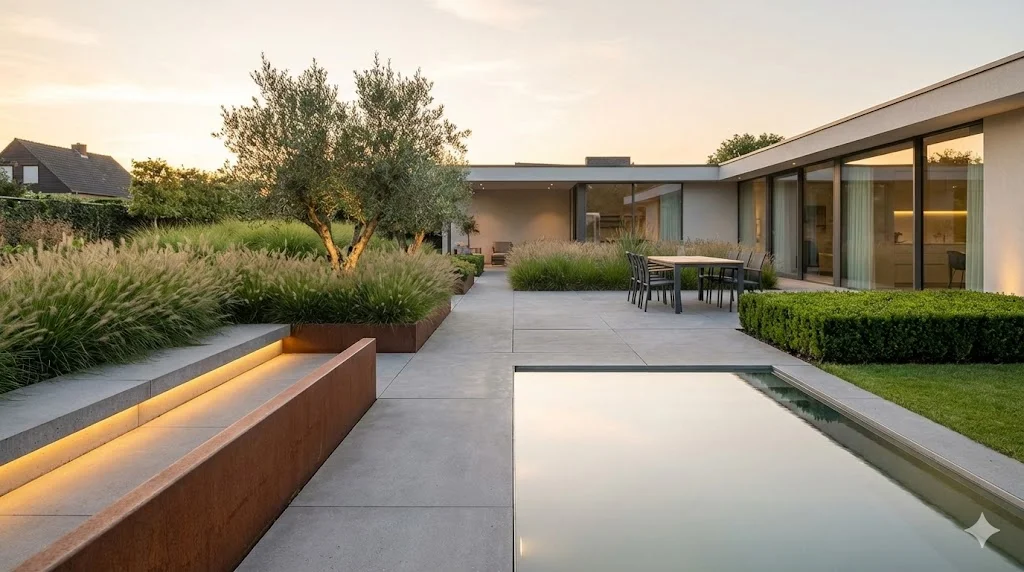
Garden Design Styles: The Complete Guide
Explore every major garden design style from cottage to Japanese, modern to Mediterranean. Find the perfect style for your space, climate, and taste.
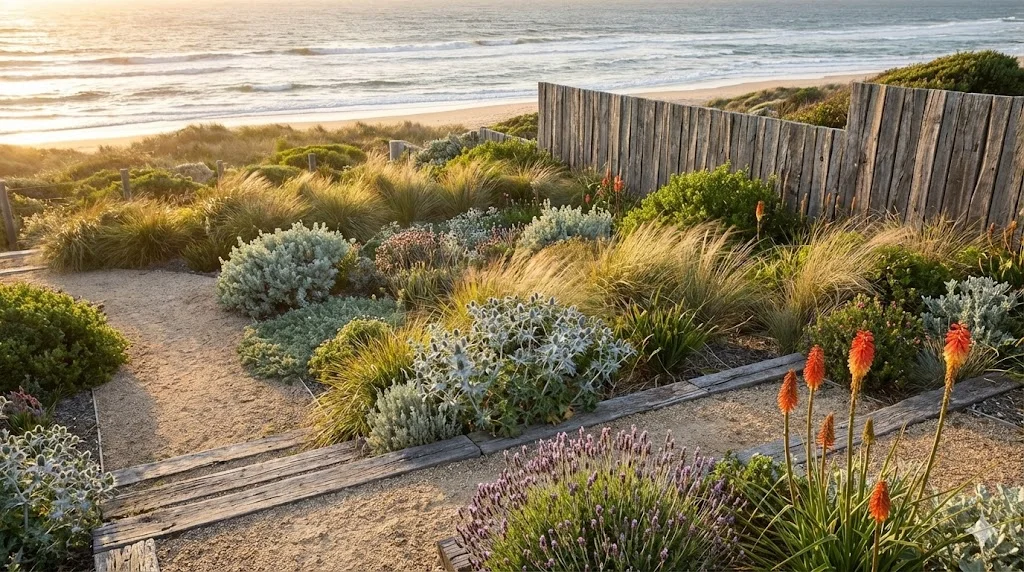
Coastal Garden Design: Salt-Tolerant Beauty
Design a beautiful coastal garden that thrives in salt spray, wind, and sandy soil. Discover the best seaside garden plants and design techniques for exposed sites.
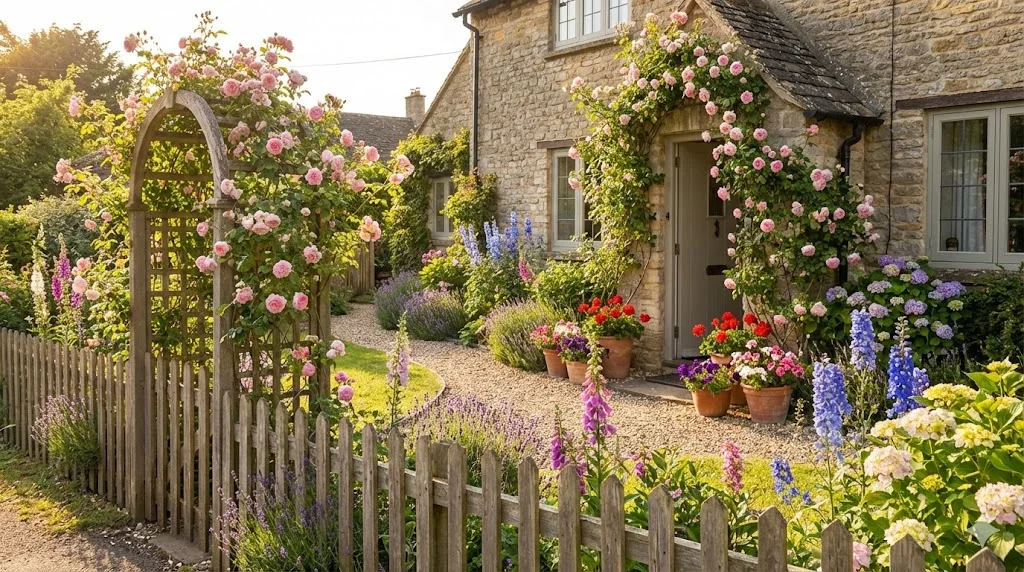
Cottage-Style Front Garden: Welcoming and Colorful
Transform your front garden into a welcoming cottage paradise with climbing roses, flower-lined paths, and seasonal color. Design tips for maximum curb appeal.