
Pollinator Garden Design: Attracting Bees and Butterflies
Design a pollinator-friendly garden that attracts bees, butterflies, and beneficial insects. Learn bloom succession, plant selection, and habitat creation.
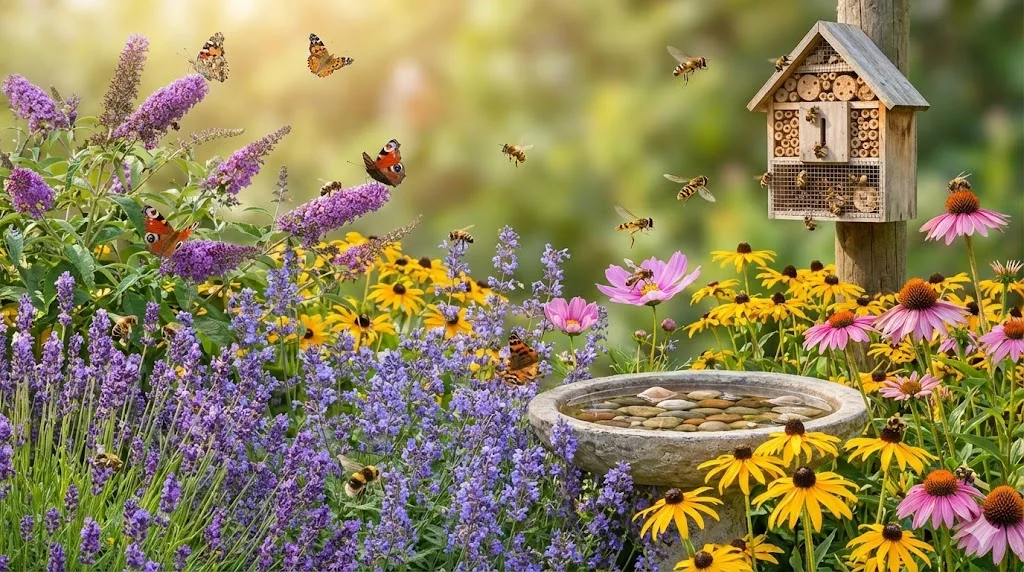
A garden designed to welcome pollinators is one of the most generous things you can grow. When bees drift between lavender spikes, butterflies spiral above coneflowers, and hoverflies hang motionless over open-faced blooms, your garden stops being merely decorative and becomes a functioning piece of the wider ecosystem. The beauty is that pollinator gardens are not a compromise — they are, quite simply, some of the most colorful, dynamic, and rewarding gardens you can create.
Pollinators are under pressure worldwide. Habitat loss, pesticide use, disease, and climate disruption have driven steep declines in wild bee populations, butterfly species, and other beneficial insects over the past two decades. Gardens cannot solve these problems alone, but they can provide critical stepping stones of food and shelter across landscapes that are otherwise hostile to pollinator life. A single well-planted garden can support dozens of bee species and hundreds of individual butterflies across a season. Multiply that across a neighborhood, and the effect becomes genuinely significant.
Why Pollinators Matter Beyond the Garden Gate
The relationship between flowering plants and their pollinators is one of the oldest partnerships in the natural world — roughly 130 million years old, predating the extinction of the dinosaurs. Around 75 percent of the world's flowering plant species and about 35 percent of global food crop production depend on animal pollination, primarily by insects. Without bees, butterflies, moths, hoverflies, and beetles moving pollen from flower to flower, most of the fruits, vegetables, nuts, and seeds we eat would simply not exist.
In the garden, pollinators directly improve yields of fruit trees, berry bushes, squashes, tomatoes, beans, and countless other edible plants. They also ensure the reproduction of ornamental species, keeping your borders self-sowing and vigorous. Even if you grow no food at all, pollinators are the invisible engine that keeps a garden alive and evolving from year to year.
Designing for pollinators is not a niche pursuit. It is, at heart, designing for the health of your garden itself.
Designing for Bloom Succession: The Four-Season Approach
The single most important principle in pollinator garden design is continuous bloom. A garden that explodes with flowers in July but offers nothing in April or October leaves pollinators hungry during critical periods of their life cycle. Early-emerging bumblebee queens need nectar in March. Late-flying butterflies need fuel in October. Your goal is an unbroken chain of flowering from the first warm days of spring through the last mild weeks of autumn — and, where climate allows, even into winter.
Spring (March through May)
Spring is when overwintered bumblebee queens and early solitary bees emerge desperately hungry. Crocuses, snowdrops, and winter aconite provide the very first sips. Follow these with lungwort (Pulmonaria), grape hyacinth (Muscari), and flowering currant (Ribes sanguineum). As the season warms, apple and cherry blossom, aubrieta, wallflowers, and columbine (Aquilegia) carry the succession into late spring. Forget-me-nots (Myosotis) are invaluable — they self-sow freely and carpet the ground with blue exactly when bees need it most.
Summer (June through August)
Summer is the season of abundance, and your planting should reflect that with large drifts rather than isolated specimens. Lavender, catmint (Nepeta), salvias, and hardy geraniums form the backbone of any summer pollinator border. Add foxgloves for bumblebees, flat-headed yarrow and fennel for hoverflies, and buddleia (the classic butterfly bush) for a constant stream of painted ladies, red admirals, and peacock butterflies. Echinacea, rudbeckia, and agastache are North American natives that thrive in most temperate gardens and are magnets for both bees and butterflies.
Autumn (September through November)
Autumn is the overlooked season in many garden designs, yet it is critical for pollinators building fat reserves before winter. Sedums — especially Hylotelephium spectabile — are among the best late-season nectar plants, their flat pink heads alive with butterflies on warm October days. Late-flowering asters (Symphyotrichum), Japanese anemones, ivy (Hedera helix), and single-flowered dahlias all extend the season deep into autumn. Ivy is particularly important: it is one of the very last sources of nectar and pollen before winter, and its berries feed birds through the lean months.
Winter (December through February)
In mild climates, winter-flowering plants keep a handful of hardy pollinators fueled during the coldest months. Winter-flowering heathers (Erica carnea), mahonia, winter honeysuckle (Lonicera fragrantissima), and hellebores all provide nectar on the rare warm winter days when bees venture out. Even where winters are harsh, these plants signal the garden's commitment to year-round hospitality.
When planning your bloom succession across the whole garden, mapping each plant's flowering window onto a calendar reveals gaps more clearly than memory alone ever will.
Top Plants for Bees
Bees — both honeybees and the many species of wild, solitary, and bumblebees — are attracted primarily by nectar and pollen reward. They favor plants with open or tubular flowers in shades of blue, purple, violet, yellow, and white. Here are the consistently top-performing plants for bees across temperate gardens:
- Lavender (Lavandula angustifolia) — the quintessential bee plant, flowering for weeks in midsummer
- Borage (Borago officinalis) — self-sowing annual with continuously replenishing blue flowers
- Phacelia (Phacelia tanacetifolia) — often called the bee's favorite; excellent as a cover crop
- White clover (Trifolium repens) — a lawn alternative that feeds bees all summer
- Rosemary (Salvia rosmarinus) — early-flowering evergreen herb, invaluable in spring
- Comfrey (Symphytum) — deep tubular bells that bumblebees adore
- Thyme (Thymus) — creeping, mat-forming herb alive with bees in early summer
- Globe thistle (Echinops ritro) — spherical blue heads that attract both bees and butterflies
- Viper's bugloss (Echium vulgare) — biennial wildflower with extraordinary bee appeal
- Sunflowers (Helianthus annuus) — single-flowered varieties offer pollen-rich discs
Avoid double-flowered cultivars wherever possible. Breeding for extra petals often comes at the expense of nectar and pollen, turning a plant that should be a pollinator magnet into a beautiful dead end.
Top Plants for Butterflies
Butterflies need two distinct things from a garden: nectar sources for adult feeding, and larval food plants where caterpillars can eat and grow. A true butterfly garden design provides both.
Nectar Plants for Adult Butterflies
Butterflies prefer flat or clustered flower heads they can land on easily, in shades of pink, purple, red, orange, and yellow. Fragrance matters — many butterfly-attracting plants are among the most scented in the garden.
- Buddleia (Buddleja davidii) — the undisputed butterfly bush, attracting dozens of species
- Verbena bonariensis — tall, airy stems with purple clusters; a magnet for painted ladies
- Sedum/Hylotelephium — essential autumn nectar for migrating and overwintering butterflies
- Scabiosa (pincushion flower) — long-flowering perennial with outstanding nectar
- Marjoram/Oregano (Origanum vulgare) — humble herb, extraordinary butterfly plant
- Red valerian (Centranthus ruber) — drought-tolerant, long-flowering, and adored by butterflies
- Hebe — evergreen shrubs with spikes of purple or white, flowering into autumn
- Lantana — in warm climates, one of the best butterfly plants in existence
Caterpillar Food Plants
Without food for caterpillars, there are no butterflies. Allow space for the plants that larvae feed on, even if they look untidy. Nettles (Urtica dioica) feed the caterpillars of peacock, red admiral, small tortoiseshell, and comma butterflies — a clump tucked behind a shed is all you need. Holly and ivy feed holly blue caterpillars. Grasses feed meadow brown, gatekeeper, and skipper caterpillars. Lady's smock (Cardamine pratensis) and garlic mustard (Alliaria petiolata) feed orange-tip caterpillars. Buckthorn supports brimstone butterflies. Leaving a patch of "wild" in the garden is not laziness — it is habitat design.
Creating Nesting and Overwintering Habitat
Flowers provide food, but pollinators also need somewhere to nest, lay eggs, and survive winter. A pollinator garden that provides only nectar is like a restaurant with no housing in the neighborhood — visitors come and go, but no resident population establishes.
For Solitary Bees
Around 90 percent of bee species are solitary, meaning each female builds her own nest. Many nest in the ground, requiring patches of bare, undisturbed, south-facing soil. Others nest in hollow plant stems, beetle holes in dead wood, or gaps in old walls. You can support them by:
- Leaving patches of bare earth in sunny spots (avoid mulching every square inch)
- Keeping dead stems standing through winter rather than cutting them back in autumn
- Providing bundles of hollow bamboo canes or drilled hardwood blocks (more on bee hotels below)
- Retaining old stone or brick walls with open mortar joints
For Bumblebees
Bumblebee queens overwinter alone, usually in a shallow burrow in the soil. In spring, they establish small colonies in abandoned rodent holes, under dense tussocks of grass, in compost heaps, or beneath garden sheds. Leave some areas of the garden undisturbed, with long grass and leaf litter, to give queens viable nesting sites.
For Butterflies
Many butterflies overwinter as adults, pupae, or eggs, sheltering in dense ivy, leaf litter, log piles, or the crevices of old trees. A garden that is too tidy — everything cut back, all leaves swept, every log removed — eliminates these overwintering refuges. Leaving a corner of the garden deliberately "rough" through winter is one of the most effective things you can do for butterfly populations.
Bee Hotels: Getting Them Right
Bee hotels have become enormously popular, and for good reason — they provide visible, tangible support for solitary bees. However, many commercially available bee hotels are poorly designed and can do more harm than good if they harbor mold, parasites, or damp.
A good bee hotel should:
- Use tubes of 6-10 mm (1/4 to 3/8 inch) diameter — this suits the most common solitary bee species
- Be made from natural materials: bamboo canes, drilled hardwood (not softwood, which absorbs moisture), or paper tubes
- Face south or southeast to catch morning sun
- Be mounted at least 1 meter (3 feet) off the ground, sheltered from rain
- Have closed backs to each tube (open-ended tubes attract parasites)
- Be cleaned or replaced annually to prevent disease buildup
Position your bee hotel near the pollinator border so nesting females have a short commute to food. Watching solitary bees coming and going from a bee hotel — packing each tube with pollen and sealing it with mud — is one of the quiet pleasures of a pollinator garden.
Water Sources for Pollinators
Pollinators need water, but most cannot drink from open water without drowning. A traditional birdbath is a death trap for bees. Instead, provide shallow water sources with safe landing spots:
- A saucer filled with pebbles and topped up with water so the stones protrude above the surface
- A shallow dish of wet sand or mud — butterflies engage in "puddling," drinking mineral-rich moisture from damp ground
- A dripping tap or slowly trickling water feature that keeps a patch of ground consistently moist
Place water sources in a sunny, sheltered spot near flowering plants. Refresh the water regularly to prevent mosquito breeding.
Avoiding Pesticides: The Non-Negotiable Rule
There is no way to maintain a genuine pollinator garden while using broad-spectrum insecticides. Neonicotinoids, pyrethroids, and organophosphates are all lethal to the very insects you are trying to support. Even so-called "targeted" applications drift onto neighboring flowers, contaminate pollen and nectar, and poison the pollinators that visit them.
The good news is that a well-designed pollinator garden makes pesticides largely unnecessary. A diverse plant community supports a web of predatory insects — ladybugs, lacewings, parasitic wasps, ground beetles — that naturally suppress pest populations. Hoverflies, whose adults are important pollinators, have larvae that devour aphids by the hundred.
If pest pressure becomes genuinely problematic, use the gentlest possible intervention: hand-picking, water sprays, barriers, or at most, targeted biological controls. Accept some cosmetic damage to leaves — it is the price of a living garden, and the pollinators more than repay it through their services.
Herbicides deserve equal caution. Many pollinator-friendly plants — clover, dandelions, creeping thyme — are precisely the "weeds" that lawn herbicides are designed to kill. A pollinator gardener learns to see these plants differently: not as problems to be eliminated, but as resources to be welcomed.
Pollinator Garden Layouts
A pollinator garden does not need to look wild or untidy. The principles of good garden design — structure, repetition, seasonal interest, and clear sight lines — apply just as much here as in any other style. The difference is in plant selection, not in composition.
The Island Bed
A large, freestanding bed in the center of a lawn makes an excellent pollinator feature. Plant tall species (verbena bonariensis, echinops, fennel) in the center, graduating to lower plants (catmint, thyme, sedum) at the edges. This creates a three-dimensional buffet that pollinators can access from all directions.
The Border Succession
A deep border against a wall or fence can be planned as a bloom timeline, with spring-flowering plants at one end transitioning through summer and into autumn-flowering species at the other. Alternatively, interplant spring, summer, and autumn bloomers throughout, so every section offers something at every season.
The Cottage-Style Mix
Pollinator planting and cottage garden design are natural allies. The traditional cottage garden — densely packed, informal, overflowing with flowers — is inherently pollinator-friendly. Hollyhocks, sweet william, honesty, and calendula are classic cottage plants that also happen to be outstanding for bees and butterflies. For more on this approach, our complete guide to garden design styles includes a detailed section on cottage garden principles.
The Formal Pollinator Garden
Even a symmetrical, clipped, geometric garden can support pollinators if the planting within its structure is chosen wisely. Lavender hedging, allium spheres in formal rows, and blocks of salvias in repeating color drifts all provide excellent pollinator value within a disciplined framework.
Combining Pollinator Planting with Ornamental Design
One of the most common hesitations about pollinator gardening is the fear that it means sacrificing visual beauty or design control. In reality, the opposite is true. The plants that pollinators love most — lavender, salvias, echinacea, rudbeckia, sedums, alliums — are among the most beautiful and widely used ornamental plants in contemporary garden design.
The key is to think in drifts, not dots. A single lavender plant is nice; a drift of fifteen is a design statement that also feeds hundreds of bees. Repeating the same pollinator-friendly species at intervals through a border creates the rhythm and coherence that distinguishes a designed garden from a random collection of plants.
Color theming works beautifully in pollinator gardens. A purple-and-gold scheme (lavender, salvia, catmint with rudbeckia, coreopsis, and achillea) is both visually striking and irresistible to bees and butterflies. A pink-and-white scheme (echinacea, phlox, gaura with cosmos, scabiosa, and Japanese anemone) is equally effective.
Small-Space Pollinator Gardens
You do not need a large garden to make a real difference for pollinators. A balcony, patio, window box, or even a single large container can provide meaningful nectar and pollen if planted thoughtfully.
For containers and window boxes, choose compact, long-flowering varieties: dwarf lavender, trailing verbena, compact salvias, pot marigolds (Calendula), and herbs like thyme, rosemary, and marjoram. A window box planted with lavender and thyme will attract bees all summer long and provide you with fresh herbs for the kitchen.
On a small patio, a collection of pots grouped together creates a miniature pollinator border. Include at least one spring bloomer (crocus, grape hyacinth), one summer stalwart (lavender, salvia), and one autumn finisher (sedum, aster) to cover the full season. A shallow dish of pebbles and water completes the habitat.
Vertical planting — wall-mounted pockets, green walls, or climbing plants on trellises — expands the available growing space dramatically. Climbing honeysuckle, jasmine, and clematis all provide good pollinator forage while taking up almost no ground area. If you want to try out different arrangements before committing pots and plants to a final layout, even a rough sketch on paper or screen can help you make the most of limited space.
Wildflower Meadow as Pollinator Habitat
For gardeners with more space, dedicating a portion of the garden to a wildflower meadow creates pollinator habitat on a different scale entirely. A meadow provides not only nectar and pollen but also nesting sites (bare ground between tussocks), overwintering habitat (standing dead stems), and caterpillar food plants (native grasses and wildflowers). Our guide to wildflower garden design and meadow creation covers site preparation, seed selection, and management in detail — and pairs naturally with the border-based pollinator planting described here.
Getting Started
The most important step in creating a pollinator garden is simply to begin. Even adding two or three proven pollinator plants to an existing border — a lavender, a catmint, an echinacea — will immediately increase the insect life visiting your garden. From there, the process builds naturally: you notice which plants attract the most visitors, you add more of those, you start leaving seed heads standing in autumn, you stop reaching for the insecticide spray.
Over a season or two, the change is remarkable. Where once you had a quiet, static garden, you now have a garden that hums, flutters, and buzzes with life. Bees tumble between flower heads. Butterflies spiral up in the afternoon warmth. Hoverflies hang in the sunlight. And you, sitting among it all, can take genuine satisfaction in knowing that your garden is not just beautiful — it is doing something that matters.
Garden Design Team
Expert garden designers sharing tips, inspiration, and practical advice for creating beautiful outdoor spaces.
Explore professional garden design
Scapiera is a paid professional garden-design application. See plans for included capabilities and availability.
Join the waitlistRelated articles
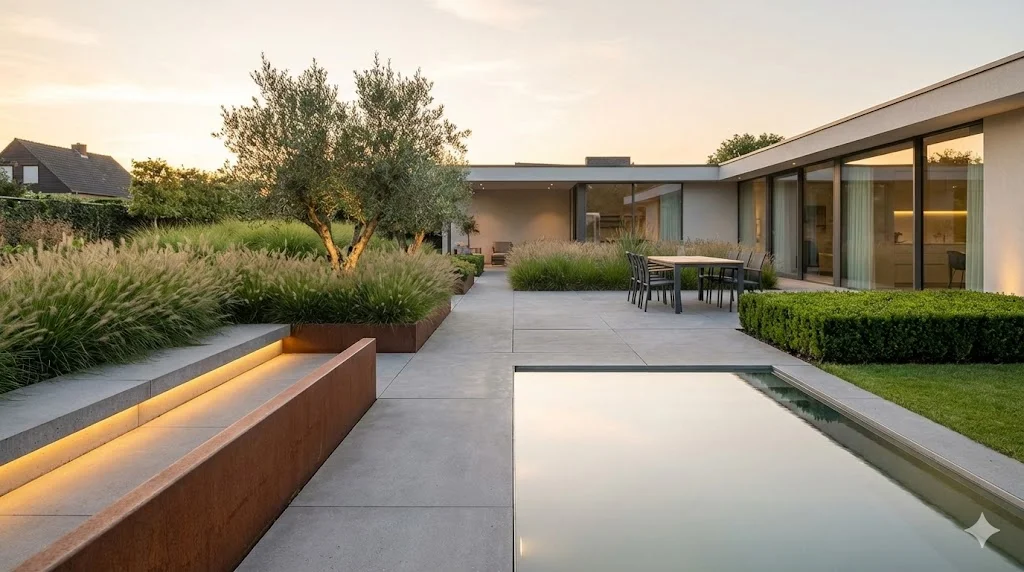
Garden Design Styles: The Complete Guide
Explore every major garden design style from cottage to Japanese, modern to Mediterranean. Find the perfect style for your space, climate, and taste.
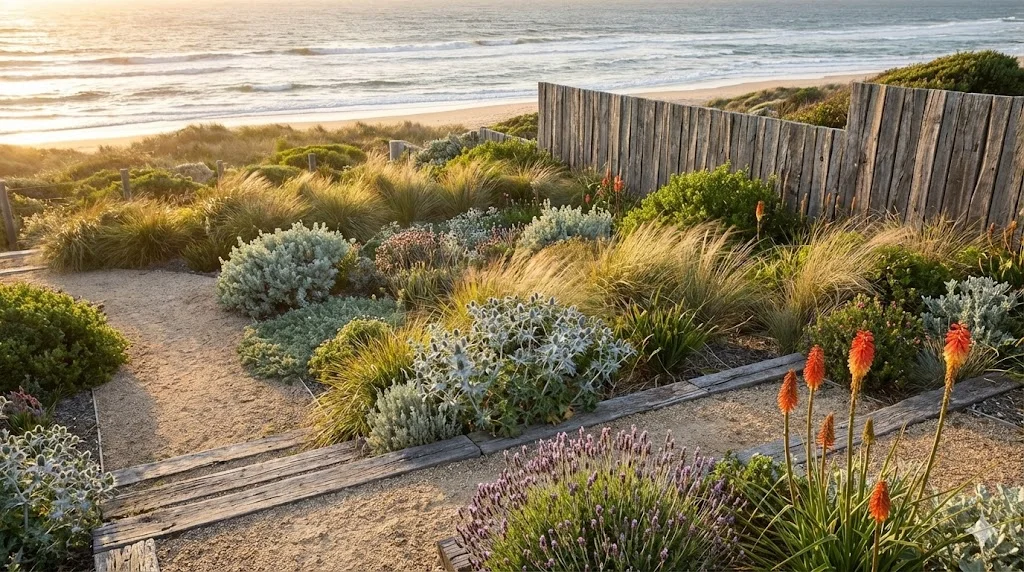
Coastal Garden Design: Salt-Tolerant Beauty
Design a beautiful coastal garden that thrives in salt spray, wind, and sandy soil. Discover the best seaside garden plants and design techniques for exposed sites.
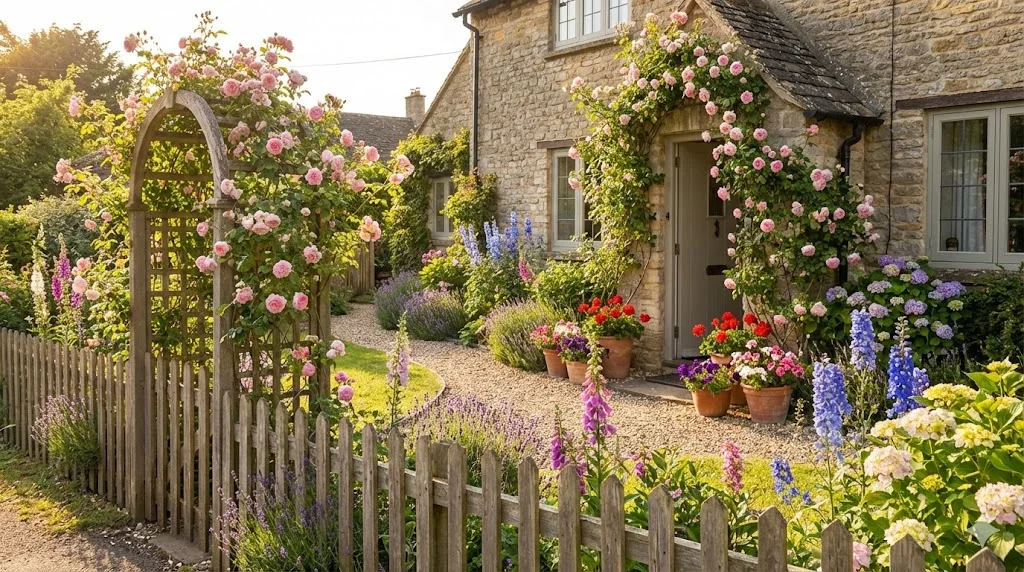
Cottage-Style Front Garden: Welcoming and Colorful
Transform your front garden into a welcoming cottage paradise with climbing roses, flower-lined paths, and seasonal color. Design tips for maximum curb appeal.