
Sensory Garden Design: Engaging All Five Senses
Design a garden that delights every sense — fragrance, texture, sound, taste, and color. A complete guide to creating an immersive sensory garden experience.
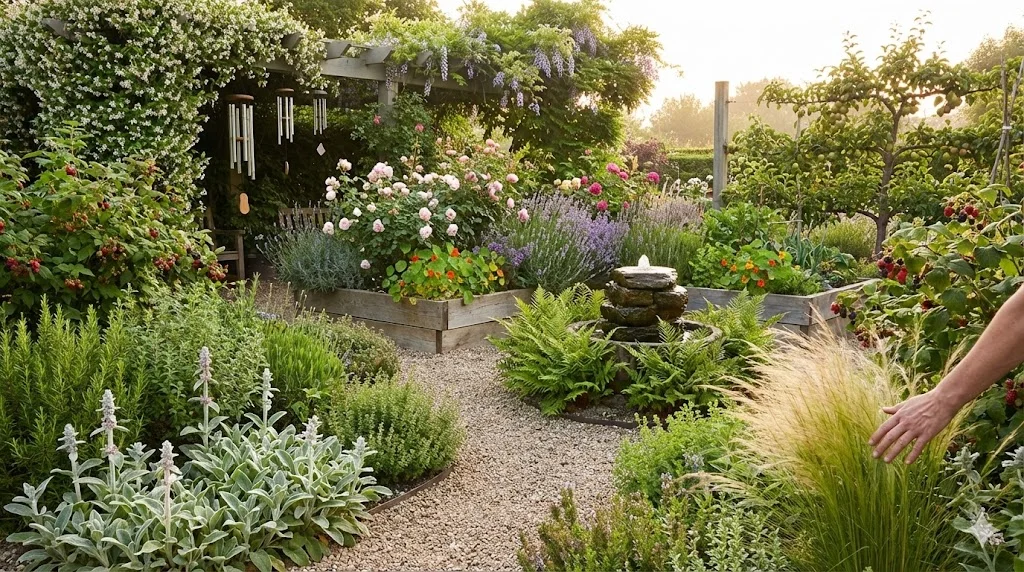
Most gardens are designed to be looked at. We choose plants for their color, arrange beds for visual balance, and judge success by how the borders photograph in July. But a truly memorable garden does far more than please the eye. It fills the air with fragrance on a warm evening, invites you to run your fingers along velvety leaves, rustles and whispers in the breeze, and offers ripe berries to pick straight from the stem. A well-considered sensory garden design transforms an ordinary plot into an immersive experience that engages all five senses — sight, sound, touch, smell, and taste — turning every visit into something richly layered and deeply restorative.
The good news is that you do not need a large or specialized space to create a sensory garden. Whether you have a sweeping country border or a modest courtyard, the principles remain the same: choose plants and materials deliberately for the sensory qualities they bring, position them where those qualities can be experienced most naturally, and layer the senses together so that no single visit ever feels the same.
In this guide, we will walk through each of the five senses in turn, explore the best plants and design elements for each, and show you how to weave them all together into a single, cohesive planting scheme. If you are exploring different approaches to garden styling, our complete guide to garden design styles is a helpful companion to this article.
Designing for Sight: Color, Form, and Movement
Sight is the sense most gardeners already design for, but sensory garden design asks us to think about it more intentionally. Rather than simply massing color, consider the full range of visual experiences a garden can offer.
Seasonal color shifts keep the garden visually alive throughout the year. Plan for spring bulbs giving way to early summer perennials, then late-season grasses and autumn foliage, and finally the structural silhouettes of bare stems and seed heads in winter. A garden that looks beautiful in every season rewards the eye far more than one that peaks for a few weeks.
Contrast and form are just as important as color. Pair the tall, vertical spires of foxgloves or verbascum with the rounded domes of geraniums and the horizontal plates of achillea. Set fine, feathery foliage (fennel, cosmos) against bold, architectural leaves (hostas, rodgersia). These contrasts create visual rhythm and draw the eye through the border.
Movement is an often-overlooked visual element. Ornamental grasses like Stipa tenuissima, Molinia caerulea, and Deschampsia flexuosa catch every breath of wind, creating a shimmering, swaying effect that brings the garden to life. Tall verbena bonariensis on slender stems dances above lower planting, and climbing roses nod gently in the breeze.
When planning your visual layers, it helps to map out plant heights and bloom times spatially so you can see how color and form will shift across the seasons before you commit a single plant to the ground.
Designing for Smell: Fragrant Plants Through the Seasons
Fragrance is perhaps the most emotionally powerful sense in the garden. A single scent can transport you to a childhood memory, calm a restless mind, or make an ordinary Wednesday evening in the garden feel like an occasion. Sensory garden plants chosen for fragrance should be positioned where you will encounter them naturally — beside a path, near a seating area, beneath a window, or along the edge of a doorway.
Spring Fragrance
The gardening year begins with some of the most intensely scented plants. Daphne odora and Daphne bholua fill the cold air with sweet, carrying perfume from late winter into early spring. Hyacinths offer dense, heady fragrance in beds and containers. Viburnum x bodnantense blooms on bare wood through the coldest months, its small pink flowers surprisingly powerful.
Summer Fragrance
Summer is the season of abundance. Roses — especially old-fashioned varieties like 'Gertrude Jekyll', 'Munstead Wood', and the climbing 'Madame Alfred Carriere' — offer complex, layered scents. Lavender (Lavandula angustifolia) is the backbone of the fragrant summer border, releasing its calming oils when brushed against. Sweet peas on a wigwam or along a fence provide cut flowers with unmatched perfume. Nicotiana sylvestris releases its fragrance at dusk, perfect for an evening seating area. Jasmine (Jasminum officinale) trained over a pergola creates a scented canopy for outdoor dining.
Autumn and Winter Fragrance
As the garden winds down, Elaeagnus x ebbingei produces tiny, hidden flowers with a surprisingly sweet scent. Hamamelis (witch hazel) bridges the gap into winter with spidery, fragrant blooms on bare branches. Sarcococca confusa, the Christmas box, is one of the most powerfully scented plants in the winter garden — tuck it beside a front door or along a path where you will pass it daily.
Placement tip: Position fragrant plants where warmth concentrates. South-facing walls, sheltered courtyards, and spots near paving (which radiates stored heat) all help volatile oils release into the air.
Designing for Touch: Textured Foliage Plants
Touch is the most intimate of the garden senses, and one that is especially important in gardens designed for children or for therapeutic purposes. The best textured foliage plants invite contact — they are soft, furry, ribbed, smooth, rough, or cool to the touch.
Soft and Velvety
Lamb's ear (Stachys byzantina) is the classic touchable plant. Its thick, silvery leaves feel like the softest felt, and children especially cannot resist stroking them. Plant it along path edges where hands naturally trail. The cultivar 'Silver Carpet' is a non-flowering form that stays low and neat.
Phlomis fruticosa (Jerusalem sage) has similarly woolly, sage-green leaves and striking whorls of yellow flowers. Ballota pseudodictamnus offers rounded, felted leaves on arching stems.
Feathery and Fine
Ferns bring a completely different tactile quality. The unfurling fronds of Dryopteris filix-mas (male fern) and the delicate, lace-like foliage of Athyrium filix-femina (lady fern) are irresistible to touch. Grasses like Pennisetum villosum (feathertop grass) produce fluffy, bottlebrush flower heads that feel like soft brushes.
Rough, Ridged, and Architectural
For contrast, include plants with bold, textured surfaces. Rodgersia podophylla has deeply veined, bronze-tinged leaves with a leathery feel. Melianthus major offers large, blue-green, serrated leaves that are smooth and almost waxy. The bark of Betula utilis var. jacquemontii (Himalayan birch) peels in papery layers that invite touch.
Design principle: Place touchable plants where people will naturally reach for them — along the edges of raised beds, beside seating, and at child height along paths. Raised beds are especially effective in sensory gardens because they bring plants closer to hands, noses, and eyes.
Designing for Sound: Grasses, Water, and Wind
Sound in the garden is subtle but transformative. A space that rustles, trickles, and hums feels alive in a way that a silent garden simply does not. Sensory garden design uses three main sources of sound: plants, water, and designed elements.
Rustling Grasses and Bamboo
Ornamental grasses are the most reliable source of natural sound. Miscanthus sinensis varieties produce a dry, papery rustling in autumn and winter as their flower plumes catch the wind. Stipa gigantea (golden oats) has tall, open panicles that shimmer and whisper. Phyllostachys bamboos produce a distinctive hollow, clicking sound as their culms knock together — plant them where prevailing wind will activate them, but be cautious with running varieties and use root barriers.
The seed heads of Nigella damascena (love-in-a-mist) rattle when dry, and dried Lunaria annua (honesty) pods create a delicate papery sound.
Water Features
Water is the most powerful sound element in any garden. Even a small, recirculating feature — a bubbling urn, a wall-mounted spout, or a shallow rill — introduces the constant, calming sound of moving water. The character of the sound depends on the height water falls and the surface it strikes: a gentle bubble is soothing and meditative, while a higher cascade creates white noise that masks traffic and other urban sounds.
For sensory gardens, choose features where the sound is the primary purpose. A simple copper spout filling a stone trough produces a clear, musical note. A shallow pebble pool with a bubbler creates a gentle, gurgling sound. If space allows, a narrow rill running through a border connects different areas of the garden with a continuous thread of sound.
Wind Chimes and Designed Elements
Wind chimes, whether metal, bamboo, or ceramic, add a musical dimension. Position them where prevailing winds will activate them without making them constant. A single, well-tuned chime near a seating area is far more effective than multiple chimes competing for attention.
Designing for Taste: Edible Herbs and Fruits
A sensory garden that includes edible elements invites a deeper level of engagement. The act of picking and tasting something directly from the plant connects us to the garden in a fundamentally different way than simply observing it.
Herbs Along the Path
Herbs are the easiest edible element to incorporate. Plant creeping thyme (Thymus serpyllum) between paving stones where footsteps will release its scent. Edge a sunny path with rosemary, sage, and oregano — all drought-tolerant, beautiful, and useful in the kitchen. A raised herb bed near the back door serves both sensory and practical purposes. Mint is wonderfully aromatic and flavorful but should always be contained in a pot to prevent it colonizing the entire border.
Fruits and Berries
Fruit trees and bushes add taste at a larger scale. A single espaliered apple or pear tree against a warm wall provides blossom in spring, structure year-round, and fruit in autumn. Blueberry bushes offer excellent autumn color alongside their summer harvest. Alpine strawberries (Fragaria vesca) make a beautiful, productive edging plant, their tiny fruits intensely flavored.
For a cottage-style planting approach, mixing edible plants freely among ornamentals creates a relaxed, abundant effect where beauty and productivity are inseparable.
Edible Flowers
Nasturtiums, violas, borage, and calendula are all edible and ornamental. They bring color, attract pollinators, and can be picked for salads or garnishes. Borage flowers taste faintly of cucumber, while nasturtiums add a peppery kick.
Accessible and Therapeutic Sensory Gardens
Sensory gardens have a long history in therapeutic settings — hospitals, care homes, schools, and rehabilitation centers — because they engage people on multiple levels without requiring physical exertion or specialist knowledge. But the principles of accessible sensory garden design benefit everyone.
Raised Beds and Accessible Paths
Raised beds at 50 to 70 centimeters (20 to 28 inches) bring plants within reach of wheelchair users and those who find bending difficult. Wide, firm, level paths (minimum 120 centimeters or 48 inches) allow comfortable passage and turning. Smooth, non-slip surfaces like bound gravel, resin-bound aggregate, or textured stone are safer than loose gravel or uneven stepping stones.
Wayfinding Through Senses
In a well-designed therapeutic garden, different areas are identifiable by their sensory character. A lavender-lined path signals the approach to a seating area. The sound of water marks the center of the garden. A change in underfoot texture (from paving to gravel, for example) indicates a transition between zones. These sensory cues help orientation and create a richer, more navigable experience for visitors with visual impairments.
Therapeutic Benefits
Research consistently shows that time spent in gardens reduces stress, lowers blood pressure, and improves mood. Sensory gardens amplify these benefits by providing multiple channels of engagement. The scent of lavender is well-documented for its calming properties. The sound of water reduces perceived stress. The tactile experience of handling soil and plants has been shown to boost serotonin levels. Designing a garden with these therapeutic qualities in mind does not require a clinical approach — it simply means making deliberate choices about which plants and materials to include, and where to place them.
Sensory Gardens for Children
Children are natural sensory explorers. A garden designed with young visitors in mind should be robust, safe, interactive, and full of surprises.
Touchable plants like lamb's ear, feathertop grass, and the inflated seed pods of Physalis alkekengi (Chinese lanterns) invite exploration. Scented plants at child height — lavender, chocolate cosmos (which really does smell of chocolate), and lemon balm — create memorable associations. Edible plants like strawberries, cherry tomatoes, and sugar snap peas teach children where food comes from and reward curiosity.
Sound-making elements are especially engaging for children. Bamboo poles, hollow logs used as drums, and simple wind instruments made from natural materials all add an interactive dimension. Include a small water play area if possible — even a hand pump filling a shallow channel provides endless fascination.
Safety note: Avoid toxic plants in children's sensory gardens. Common garden plants like foxglove, laburnum, monkshood, and yew are beautiful but potentially dangerous if ingested. Check every plant against a reliable toxicity database before including it.
Planning a sensory garden for children alongside a dedicated herb garden section is a wonderful way to combine education, play, and practical growing in one space.
Combining All Five Senses in a Single Border
The ultimate goal of sensory garden design is not to create five separate zones — one for each sense — but to layer sensory experiences together so that a single border, or even a single planting combination, engages multiple senses simultaneously.
Here is an example of a multi-sensory border combination for a sunny, sheltered spot:
Back of the border: Miscanthus sinensis 'Gracillimus' (movement, sound, visual height) underplanted with Jasminum officinale trained on a wall or obelisk (summer evening fragrance).
Middle of the border: Rosa 'Gertrude Jekyll' (fragrance, visual beauty, tactile petals) alongside Lavandula angustifolia 'Hidcote' (fragrance, touch, visual color, taste — flowers are edible). Stipa tenuissima weaves between them (movement, sound, soft texture).
Front of the border: Stachys byzantina 'Silver Carpet' (touch, visual silver foliage) with Thymus serpyllum (fragrance when walked on, edible, visual flowers that attract bees — adding the sound of buzzing). Alpine strawberries (Fragaria vesca) thread through as edging (taste, visual ground cover, gentle fragrance).
Accent: A single, well-placed water feature — perhaps a low bubbling stone — adds the constant, gentle sound of water and draws birds, introducing their song to the border.
This single border engages all five senses. It looks beautiful across three seasons, sounds alive with rustling grasses and trickling water, smells of roses, lavender, and jasmine, invites touch with lamb's ear and feathery grasses, and offers strawberries and thyme to taste. No element is wasted; every plant earns its place through multiple sensory contributions.
Getting Started With Your Sensory Garden
Begin by auditing your existing garden through a sensory lens. Walk through it slowly, paying attention to what you can hear, smell, touch, and taste — not just see. Note the gaps. Most gardens are rich in visual interest but thin on the other four senses. Even adding two or three deliberately chosen sensory garden plants — a fragrant shrub by the door, a patch of lamb's ear along a path, a small water feature near your seating area — can dramatically shift the experience.
When you are ready to plan a more comprehensive sensory garden, sketching out your planting zones with sensory qualities mapped to specific areas helps ensure that no sense is neglected and that the richest sensory experiences are concentrated where you spend the most time.
A garden that engages all five senses is not just more beautiful — it is more alive, more memorable, and more deeply connected to the people who use it. It is the kind of garden that lingers in the mind long after you have gone inside, and that calls you back out again on even the coldest evening, just to breathe in the scent of winter-flowering daphne or listen to the wind moving through the grasses.
Garden Design Team
Expert garden designers sharing tips, inspiration, and practical advice for creating beautiful outdoor spaces.
Explore professional garden design
Scapiera is a paid professional garden-design application. See plans for included capabilities and availability.
Join the waitlistRelated articles
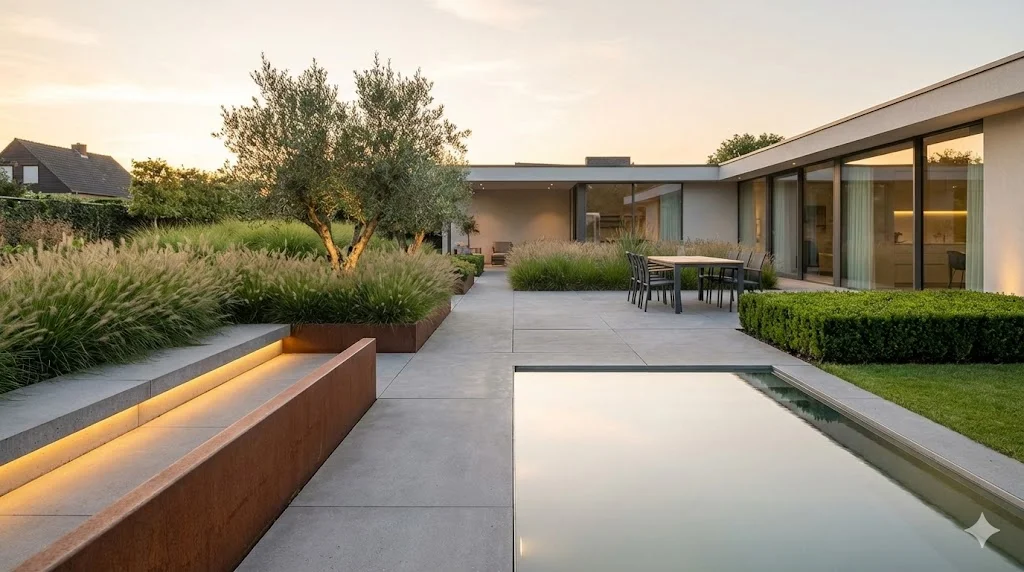
Garden Design Styles: The Complete Guide
Explore every major garden design style from cottage to Japanese, modern to Mediterranean. Find the perfect style for your space, climate, and taste.
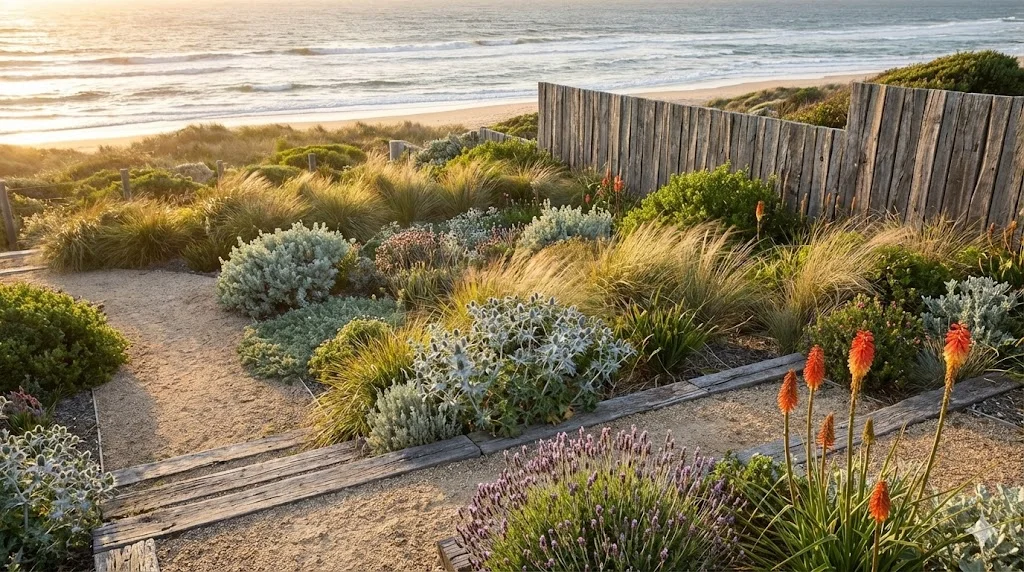
Coastal Garden Design: Salt-Tolerant Beauty
Design a beautiful coastal garden that thrives in salt spray, wind, and sandy soil. Discover the best seaside garden plants and design techniques for exposed sites.
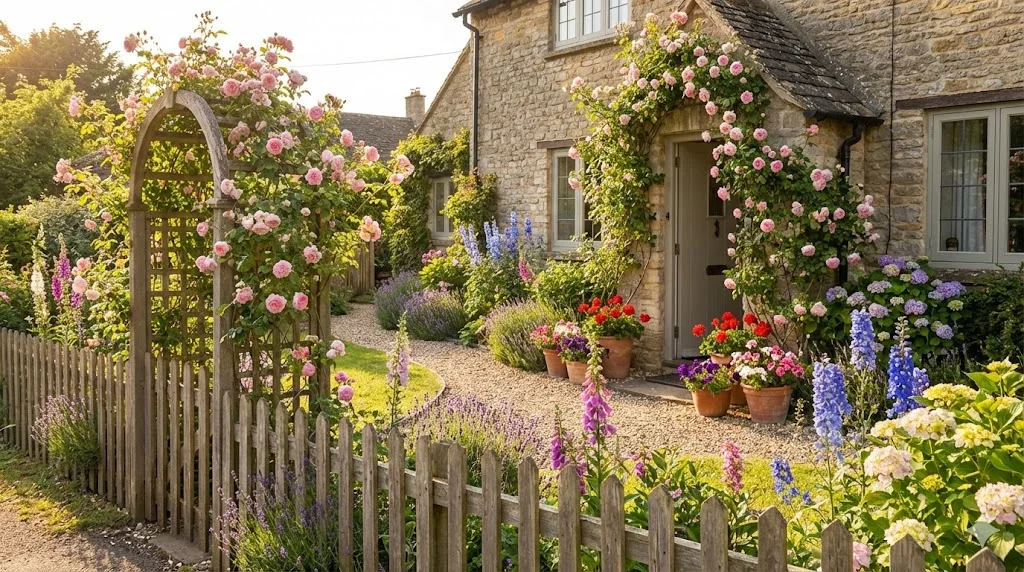
Cottage-Style Front Garden: Welcoming and Colorful
Transform your front garden into a welcoming cottage paradise with climbing roses, flower-lined paths, and seasonal color. Design tips for maximum curb appeal.