
How to Design a Dog-Friendly Garden
Design a dog-friendly garden with non-toxic plants, durable surfaces, digging zones, secure fencing, and smart layout for happy dogs and beautiful spaces.
How to Design a Dog-Friendly Garden
Dogs and beautiful gardens can absolutely coexist -- but only if you design for it. An unplanned garden with a dog is a battle you will lose: trampled borders, bare patches in the lawn where they run the same circuit, dug-up flower beds, and yellow spots from urine. A planned garden with a dog is a joy -- a space where your pet is safe, happy, and exercised, and where the garden remains beautiful.
The key is understanding dog behavior and designing around it rather than trying to change it. Dogs will patrol boundaries, run favored routes, dig in soft soil, seek shade in summer, and sun themselves in spring. Work with these instincts, and you create a garden that works for everyone. This guide covers every aspect of designing with dogs in mind. For the full garden design process, see our beginner's guide to designing a garden from scratch.
Understanding Dog Behavior in Gardens
Before redesigning anything, observe your dog for a week. Note:
- Patrol routes: Dogs run the same paths repeatedly, wearing tracks along fences, around the perimeter, and between the back door and the garden gate. These routes are non-negotiable -- you need to accommodate them.
- Favorite resting spots: Where does your dog lie in the sun? Where do they retreat in the shade? These spots need appropriate surfaces.
- Digging behavior: Some dogs dig out of boredom, some to cool down, some because they smell something interesting. Note where and when digging happens.
- Toilet areas: Most dogs prefer a consistent area. Note where this is.
- Reaction to boundaries: Does your dog jump, dig under, or push through fences? This determines your fencing strategy.
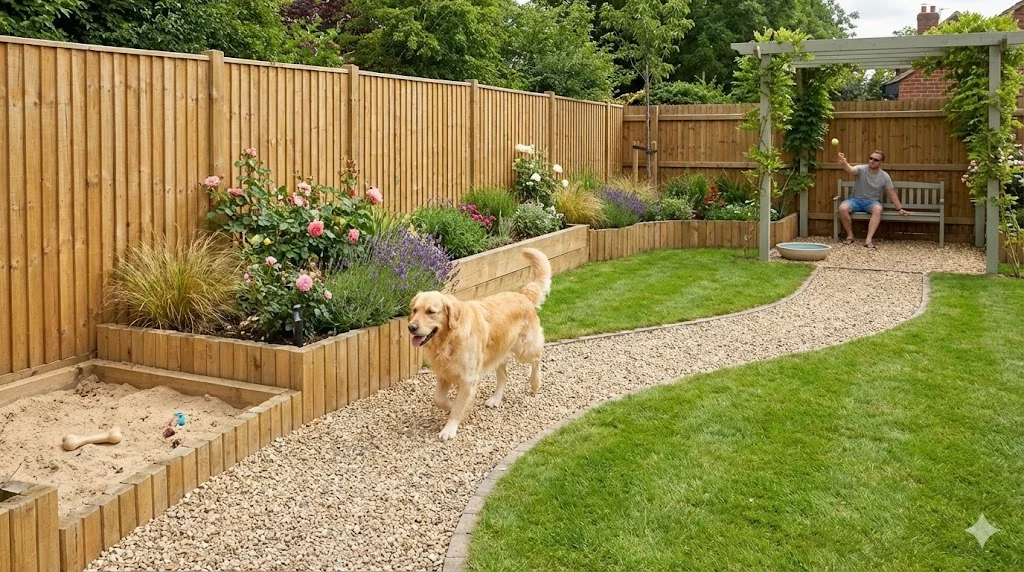
Design your garden around your dog's existing habits rather than trying to impose new ones. If your dog runs the perimeter, pave or gravel that route. If they dig in a specific spot, give them a designated digging zone there. Working with nature is always easier than fighting it.
Toxic Plants to Remove or Avoid
Many common garden plants are toxic to dogs. Remove these from areas your dog can access:
Highly toxic (can cause serious illness or death):
- Yew (Taxus) -- all parts except the berry flesh
- Lily of the valley (Convallaria majalis)
- Autumn crocus (Colchicum)
- Foxglove (Digitalis)
- Monkshood (Aconitum)
- Oleander (Nerium)
- Sago palm (Cycas revoluta)
- Laburnum
Moderately toxic (cause vomiting, diarrhea, or irritation):
- Daffodil bulbs (Narcissus)
- Tulip bulbs (Tulipa)
- Hydrangea
- Rhododendron and azalea
- Wisteria seeds and pods
- Euphorbia (milky sap irritates)
Many bulbs are toxic if ingested, but most dogs ignore them. The risk is highest with puppies and dogs that chew everything. If your dog is a chewer, err on the side of caution and choose from the wide range of non-toxic alternatives.
Dog-Safe Plants That Look Beautiful
- Roses (non-toxic, though thorns may deter nosing)
- Sunflowers
- Snapdragons
- Asters
- Coreopsis
- Fuchsia
- Ornamental grasses (Miscanthus, Stipa, Pennisetum)
- Herbs: rosemary, thyme, sage, basil
- Lavender (mildly toxic in large quantities but rarely eaten)
- Fruit trees: apple, pear (avoid stone fruits -- pits contain cyanide compounds)
Durable Surfaces
Lawn Survival
Dogs are hard on lawns. Urine causes yellow spots, running wears bare tracks, and digging destroys patches. Strategies to maintain a decent lawn:
- Choose tough grass: Perennial ryegrass mixes tolerate heavy wear far better than fine fescue mixtures.
- Raise the cut height: Longer grass (4-5 cm / 1.5-2 inches) is more resilient.
- Water urine spots immediately: Diluting urine with water within minutes prevents burning. A watering can by the back door helps.
- Train a toilet area: Encourage your dog to use a designated gravel or bark area for toileting, reducing lawn damage.
- Overseed regularly: Keep spare grass seed on hand and overseed bare patches in spring and autumn.
Hard Surfaces for High-Traffic Areas
Replace lawn with hard surfaces along patrol routes and in areas of heavy use:
- Gravel: Affordable and permeable. Use angular gravel (not smooth pebbles, which can be uncomfortable on paws). Some dogs eat pebbles -- if yours does, choose a different material.
- Bark chips: Soft, natural look, easy on paws. Needs topping up annually. Some dogs eat bark -- monitor initial behavior.
- Paving: Durable and easy to clean. Good for areas near the house. Can get hot in direct sun in summer.
- Artificial grass: Controversial but practical. Modern products drain well and are easy to clean. Avoid cheap products that get hot.
Secure Fencing
Escape-proofing your garden is essential for your dog's safety.
Height
Most dogs cannot jump higher than 1.2-1.5 meters (4-5 feet), but athletic breeds (German Shepherds, Border Collies, some Terriers) can clear 1.8 meters (6 feet) or more. Know your breed's abilities and fence accordingly.
Anti-Dig Measures
Dogs that dig under fences need additional measures:
- Bury the fence 30 cm (12 inches) below ground level
- Lay a strip of concrete or paving along the fence base
- Install an L-shaped wire mesh footer extending 30 cm horizontally from the fence base, buried just below ground level
Gates
Gates are the most common escape point. Install self-closing hinges and latches that dogs cannot operate. Consider a double-gate system (airlock style) for determined escape artists.
For comprehensive fencing guidance, see how to design a garden fence.
Designated Zones
Digging Zone
If your dog digs, give them a designated digging area rather than trying to stop the behavior entirely. Create a sand or loose-soil pit and bury treats or toys in it to encourage use. Place it away from borders and lawns. Most dogs quickly learn to dig in their designated spot.
Shade and Water
Dogs need shade and fresh water accessible at all times in warm weather. Ensure at least one shaded area is available throughout the day -- under a tree, a pergola, or an awning. A shallow water bowl or trough in the shade keeps your dog hydrated and cool.
Toilet Area
Designate a specific toilet area with a gravel or bark surface that is easy to clean. Position it away from seating areas and vegetable gardens. Pick up waste promptly and hose the area periodically.
Protecting Your Planting
Raised Beds
Raised beds are the single most effective way to protect planting from dogs. A raised bed 45-60 cm (18-24 inches) high is enough to deter most dogs from walking through the planting. Taller beds offer even more protection and bring planting to eye level for enjoyment. See how to build a raised bed garden for construction guidance.
Low Fencing and Edging
A low edge along borders -- 30 cm (12 inches) of metal hoop fencing, a low timber rail, or a stone edge -- signals "do not enter" to most trained dogs. It does not physically prevent access but acts as a visual boundary.
Dense Planting
Beds planted densely with robust species deter dogs from entering because there is no clear path through them. Large ornamental grasses, dense shrubs, and ground cover create a green wall that dogs walk around rather than through.
Thorny Deterrents
Roses, berberis, and pyracantha at the edges of beds deter all but the most determined dogs from pushing through. Place these strategically at entry points to vulnerable beds.
Layout Principles
- Clear patrol route: Give your dog a clear circuit around the garden's perimeter using paths or gravel strips. This channels running and prevents random trampling.
- Direct path to the back door: Dogs sprint to the door when called. Ensure a clear, hard-surfaced route from the far end of the garden to the back door.
- Visibility from inside: Place the main dog areas where you can see them from the house, making supervision easy.
- Separate zones for delicate planting: Keep your most precious plants in raised beds or behind low barriers.
You can plan your dog-friendly garden layout to test zone placement and sightlines before building, ensuring the design works for both you and your pet.
Getting Started
Start by observing your dog's behavior for a week and mapping their routes, resting spots, and problem areas. Then address the most destructive issue first -- usually lawn damage along patrol routes or digging in beds. Pave the patrol routes, create a digging zone, and raise your most vulnerable beds. These three changes will transform your garden's relationship with your dog almost immediately.
For the complete garden design process, return to our beginner's guide to designing a garden from scratch.
Garden Design Team
Expert garden designers sharing tips, inspiration, and practical advice for creating beautiful outdoor spaces.
Explore professional garden design
Scapiera is a paid professional garden-design application. See plans for included capabilities and availability.
Join the waitlistRelated articles
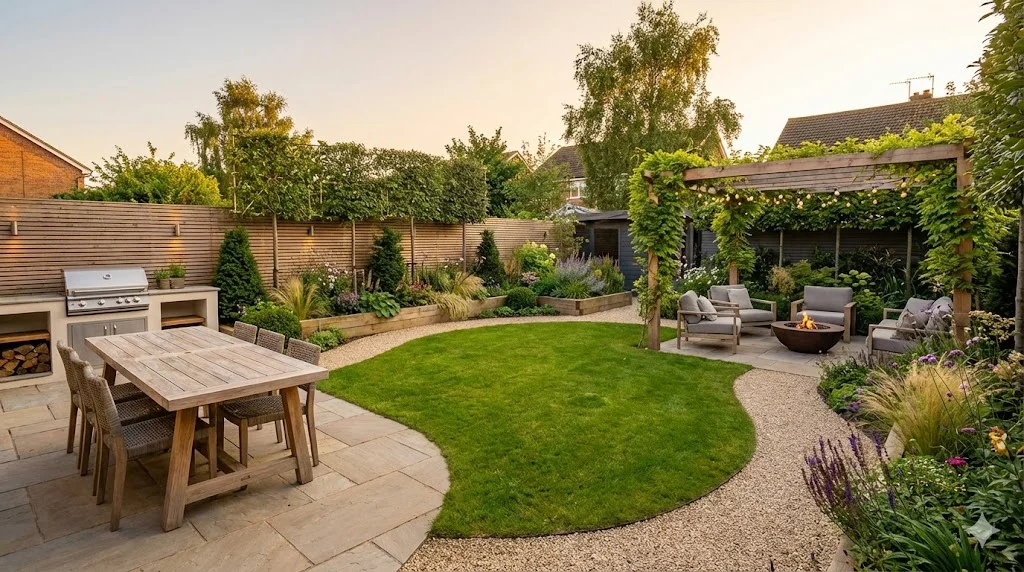
Backyard Garden Design: Creating Your Outdoor Sanctuary
Design a backyard that works as an outdoor living space. Zoning for dining, relaxation, and play, with privacy screening and year-round planting.
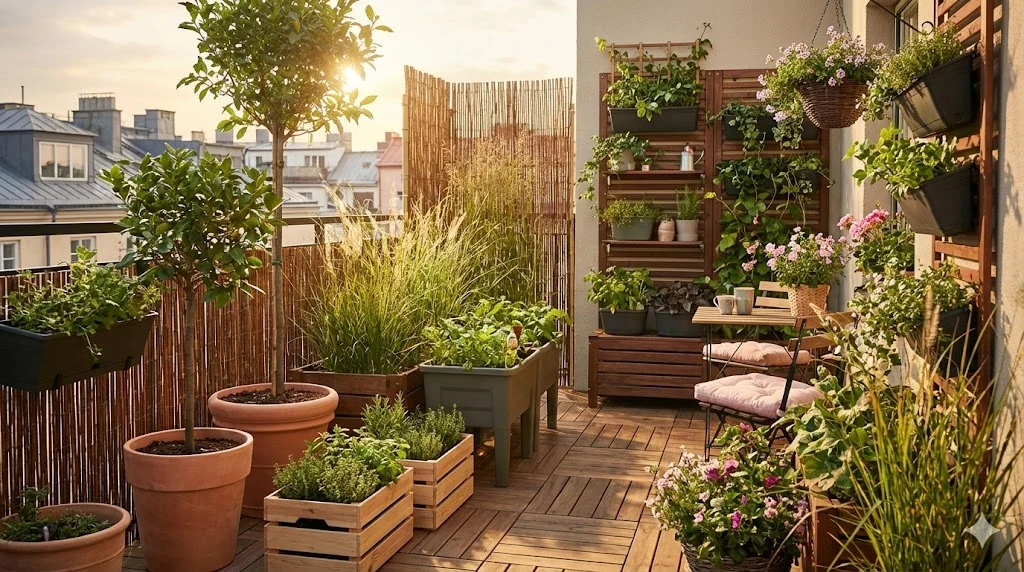
Balcony Garden Design: Growing in Containers
Create a thriving balcony garden with smart container choices, wind-resistant plants, vertical systems, and self-watering solutions for high-rise growing.
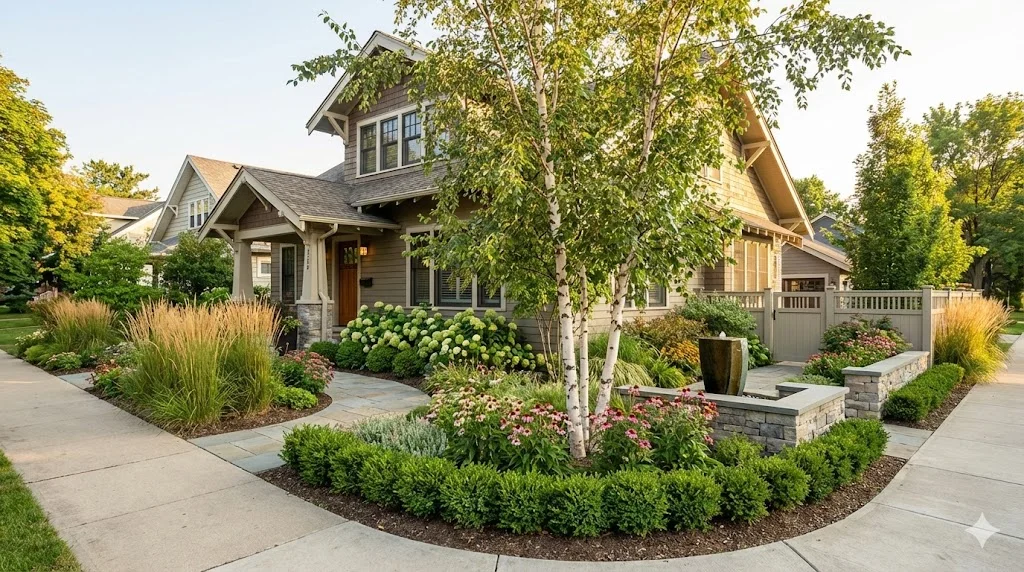
Corner Lot Garden Design: Two-Sided Curb Appeal
Design a corner lot garden that impresses from both streets. Dual frontage planting, visibility sightlines, wraparound beds, and privacy from two directions.