
How to Design a Garden on a Budget
Design a beautiful garden on a budget with phased planting, DIY hardscape, seed-growing techniques, reclaimed materials, and smart cost planning advice.
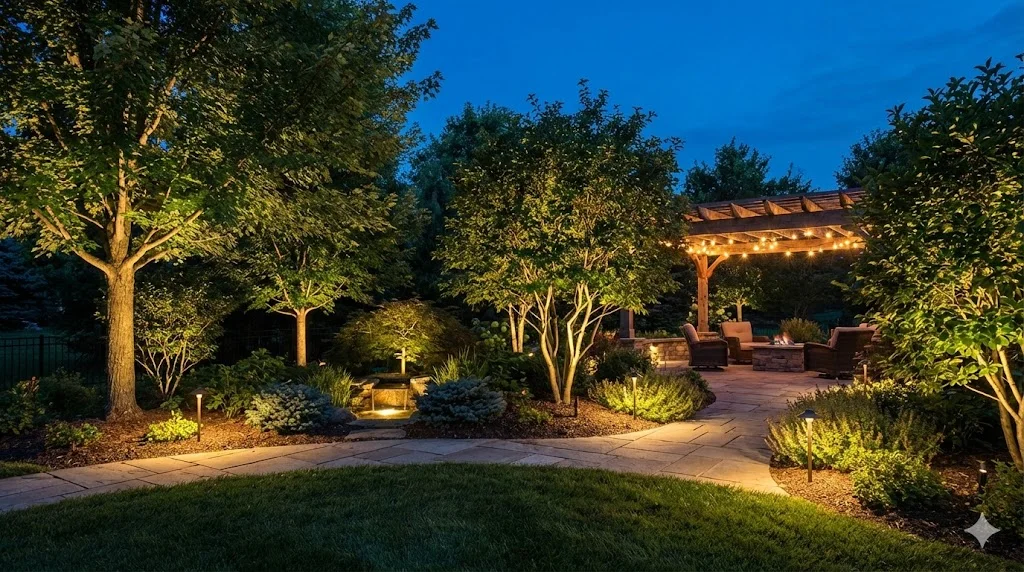
How to Design a Garden on a Budget
A beautiful garden does not require a large budget. Some of the most admired gardens in the world were created with modest means and generous patience. Money buys speed -- you can have an instant garden if you spend enough -- but it cannot buy taste, and it cannot replace the satisfaction of building something yourself over time.
The key to designing on a budget is not cutting corners but making strategic choices about where to spend, where to save, and what to phase over time. Some things are worth the investment because they are visible every day, hard to change later, or critical to the garden's structure. Other things can be done cheaply or deferred without compromising the overall design. This guide helps you tell the difference. For the full garden design process, see our beginner's guide to designing a garden from scratch.
Plan Before You Spend
The most expensive garden mistakes happen when you start buying without a plan. A patio in the wrong spot, a fence that needs replacing in three years, or plants that die because they are in the wrong conditions all waste money.
Creating a detailed plan costs almost nothing -- graph paper, a tape measure, and time. It is the highest-return investment in any garden project. With a plan, you know exactly what you need, in what quantities, and in what order. Without a plan, you guess, overshoot, and waste.
A garden design plan is the best money-saving tool in gardening. Every hour spent planning saves multiple hours and significant money during the build. Do not skip this step, especially when your budget is tight.
For guidance on creating a plan, see how to create a garden design plan.
Where to Spend and Where to Save
Spend More On
Boundaries and fences: These are the backdrop to everything else. Cheap fencing looks cheap and deteriorates quickly. Invest in quality fence posts (concrete or treated oak) and decent panels that will last 15-20 years.
Patio surface near the house: You see this surface every day through your windows. A good-quality natural stone or porcelain patio looks dramatically better than cheap concrete pavers and adds real value to your home. The patio nearest the house is the one area where material quality is most visible.
Trees: A single good-quality specimen tree purchased at a reasonable size (2-3 meters / 7-10 feet) has more impact on a garden than any other single purchase. Trees take years to grow, so buying a decent-sized one saves years of waiting.
Save On
Paths in less visible areas: The path to the compost bin does not need sandstone. Gravel is affordable, permeable, and perfectly attractive. Use your premium materials where they are most visible and gravel elsewhere.
Planting: This is the biggest area for savings. Plants are expensive at the garden center but cheap to grow from seed, cuttings, or divisions. More on this below.
Garden structures: A simple timber pergola that you build yourself costs a fraction of a contractor-installed hardwood version and can look equally good.
Lawn: Seed is dramatically cheaper than turf. A lawn from seed costs roughly one-tenth the price of a turfed lawn. The tradeoff is time -- turf gives instant results, while seed takes 6-8 weeks to establish and a full season to look mature.
Phased Planting: Build Over Multiple Seasons
You do not need to plant everything in year one. A phased approach spreads the cost over several seasons and actually produces a better garden because you learn as you go.
Year One: Structure and Bones
- Plant trees and large structural shrubs (these need the most time to mature)
- Sow lawn from seed
- Plant ground cover in the most visible beds
- Fill gaps with cheap annual seeds (cosmos, nigella, calendula)
Year Two: Borders and Beds
- Add perennials to main borders (buy small plug plants rather than mature specimens)
- Plant hedging (small bare-root plants in winter are a fraction of the cost of potted plants)
- Divide any perennials from year one that have established well
Year Three: Refinement
- Fill remaining gaps with divisions from your own garden or swaps with neighbors
- Add bulbs for spring and autumn interest
- Replace any plants that did not thrive with better-suited alternatives
Growing from Seed: The Biggest Savings
Growing plants from seed is the single most effective way to fill a garden on a budget. A packet of perennial seeds costs the same as one small potted plant but can produce fifty or more specimens.
Easy Plants to Grow from Seed
Annuals (flower the same year):
- Cosmos -- elegant, long-flowering, available in pinks, whites, and oranges
- Nigella (love-in-a-mist) -- delicate blue flowers, self-seeds for future years
- Calendula -- bright orange and yellow, edible, attracts pollinators
- Sunflowers -- fast, dramatic, and irresistible
- Sweet peas -- scented, colorful, perfect for cutting
Perennials (flower from the second year):
- Foxglove (Digitalis) -- spectacular spires, self-seeds prolifically
- Verbascum -- tall, architectural, tolerates poor soil
- Echinacea -- long-flowering, wildlife-friendly
- Aquilegia -- charming, self-seeds, tolerates shade
- Centranthus (red valerian) -- drought-tolerant, blooms for months
Vegetables and herbs:
- Growing food from seed saves significant money on groceries and provides the satisfaction of eating from your garden. A raised bed of salad greens sown from seed costs almost nothing.
DIY Hardscape
Labor is typically the largest component of any hardscape budget. Doing it yourself saves 50-70% of the cost.
Achievable DIY Projects
- Gravel paths: Excavate, lay landscape fabric, spread gravel. Straightforward and satisfying.
- Raised beds: Build from scaffold boards, reclaimed timber, or untreated oak sleepers. Simple carpentry skills are sufficient.
- Simple paving: Laying a small patio on a compacted base is within most people's ability with basic tools and online guidance.
- Fencing: Erecting panel fencing requires a helper and basic tools but saves significantly on labor.
- Pergola: A simple four-post pergola is an achievable weekend project for a competent DIYer.
When to Hire a Professional
Some tasks are best left to professionals:
- Large paving areas where level precision matters
- Walls and retaining structures that must be structurally sound
- Electrical work for lighting (must be done by a qualified electrician in most jurisdictions)
- Drainage work that connects to existing systems
- Tree removal or large tree planting
Reclaimed and Free Materials
Reclaimed materials bring character and save money:
- Reclaimed bricks: Often free or very cheap from demolition sites. Beautiful for paths, edging, and small walls.
- Reclaimed timber: Scaffold boards make excellent raised bed walls, bench seats, and rustic shelving.
- Free mulch: Many local tree surgeons will deliver wood chip for free because it saves them disposal costs. Contact arborists in your area.
- Free compost: Municipal composting programs often provide free or low-cost compost. Check with your local council.
- Free plants: Plant swaps, community garden groups, and generous neighbors are all sources of free plants. Division is also free -- split established perennials in spring or autumn and replant the pieces.
Smart Shopping Strategies
Buy Bare-Root Plants in Winter
Hedging, roses, fruit trees, and many shrubs are available as bare-root plants from November to March. Bare-root plants cost 30-50% less than potted equivalents, establish faster, and are available in a wider range of species. The only catch is that they must be planted during the dormant season.
Buy Small
A perennial in a 9 cm (3.5 inch) pot costs a third of the same plant in a 2-liter pot but reaches the same size within one growing season. For most perennials, buying small makes economic sense.
Buy in Bulk
Many nurseries offer discounts on bulk purchases. If you need 20 of the same plant for a hedge or ground-cover planting, ask for a bulk price. Online nurseries specializing in plug plants offer excellent value for large quantities.
End-of-Season Sales
Garden centers discount unsold stock in late summer and autumn. Plants bought at this time of year often establish better than spring-planted ones because autumn rain and cooler temperatures reduce transplant stress.
Cost Planning: Know Your Numbers
Create a simple budget spreadsheet with these categories:
| Category | Typical % of Budget |
|---|---|
| Hard landscape (patio, paths, walls) | 40-50% |
| Boundaries (fences, hedging) | 15-20% |
| Planting | 15-25% |
| Structures (pergola, raised beds) | 10-15% |
| Irrigation and lighting | 5-10% |
If the total exceeds your budget, defer the most expensive items (usually hard landscape and structures) to a later phase. You can test your complete design virtually to make sure the phased approach still works as a whole, even when built over multiple seasons.
Getting Started This Weekend
Three budget-friendly actions you can take immediately:
- Draw a plan: Graph paper, tape measure, and colored pencils. Zero cost, enormous value.
- Sow seeds: A few packets of annual flower seeds sown directly into prepared soil will fill your beds with color within weeks.
- Spread mulch: A thick layer of mulch transforms the appearance of beds instantly, suppresses weeds, and reduces watering.
For the complete garden design process, return to our beginner's guide to designing a garden from scratch.
Garden Design Team
Expert garden designers sharing tips, inspiration, and practical advice for creating beautiful outdoor spaces.
Explore professional garden design
Scapiera is a paid professional garden-design application. See plans for included capabilities and availability.
Join the waitlistRelated articles
Backyard Garden Design: Creating Your Outdoor Sanctuary
Design a backyard that works as an outdoor living space. Zoning for dining, relaxation, and play, with privacy screening and year-round planting.
Balcony Garden Design: Growing in Containers
Create a thriving balcony garden with smart container choices, wind-resistant plants, vertical systems, and self-watering solutions for high-rise growing.
Corner Lot Garden Design: Two-Sided Curb Appeal
Design a corner lot garden that impresses from both streets. Dual frontage planting, visibility sightlines, wraparound beds, and privacy from two directions.