
How to Design an Outdoor Living Space
Learn how to design an outdoor living space with expert tips on outdoor kitchens, dining areas, fire pits, pergolas, lighting, and furniture layout.
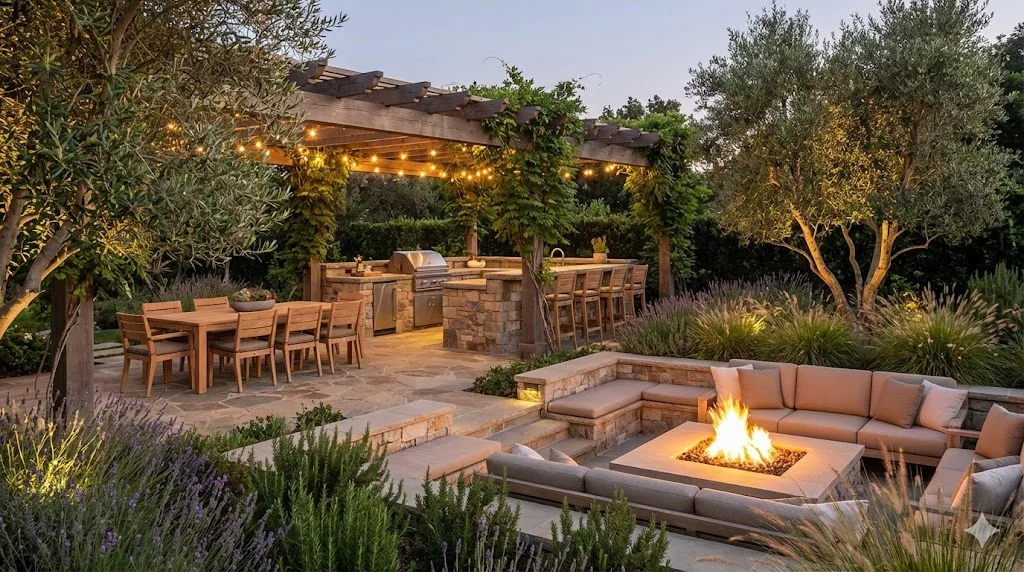
How to Design an Outdoor Living Space
An outdoor living space is more than a patio with furniture. It is an extension of your home -- a place where you cook, eat, relax, entertain, and spend the long evenings of summer. When designed well, an outdoor living space becomes the most-used room in the house for half the year, drawing family and friends outside and changing the way you live.
The difference between a great outdoor living space and a mediocre one comes down to the same principles that make indoor rooms work: proportion, flow, comfort, and atmosphere. You would not furnish a living room by placing a sofa in an empty box -- you would consider the room's shape, how people move through it, where light falls, and what mood you want to create. Your outdoor space deserves the same thoughtfulness. This guide covers every element. For the full garden design process, see our beginner's guide to designing a garden from scratch.
Think in Rooms, Not Features
The most successful outdoor living spaces are designed as a series of interconnected rooms rather than a single open area. Each room has a purpose:
- Cooking zone: Where food is prepared. Contains a barbecue, outdoor kitchen, or pizza oven.
- Dining zone: Where meals are eaten. Contains a table and chairs with enough clearance to sit comfortably.
- Lounge zone: Where relaxation happens. Contains comfortable seating, possibly a fire pit.
- Transition zone: Where the outdoor living space meets the wider garden. Contains planting, a path, or a change in level.
These rooms can be adjacent or slightly separated, connected by paths or changes in surface material. The separation creates a sense of purpose and occasion -- walking from the cooking area to the dining area feels like an event, even if the distance is just a few steps.
Outdoor rooms do not need walls. A change in floor level, a different paving material, a shift from hard surface to planting, or overhead elements like a pergola or canopy are enough to define a space. The boundaries can be subtle but should be intentional.
Outdoor Kitchens and Cooking
An outdoor kitchen elevates garden entertaining from occasional barbecues to regular outdoor dining. The complexity ranges from a simple built-in barbecue to a full kitchen with grill, smoker, sink, refrigerator, and counter space.
Siting Your Outdoor Kitchen
- Close to the indoor kitchen: Saves carrying food, drinks, and utensils long distances. A location near the back door is ideal.
- Downwind from seating: Position the cooking area so that prevailing winds carry smoke away from the dining and lounge areas.
- Under cover: A roof or pergola over the cooking area protects from rain and provides shade. It also allows cooking equipment to be left outdoors year-round.
- With a view: Face the cook toward the garden or the guests rather than toward a wall. Cooking should be social.
Essential Features
At minimum, an outdoor kitchen needs:
- A built-in grill or barbecue with a gas supply or charcoal storage
- Counter space on both sides of the grill for preparation
- A surface for plating and serving
- Storage for utensils and seasonings
Advanced outdoor kitchens add a sink with running water, a pizza oven, a smoker, a refrigerator, and a bar counter with stools.
Dining Areas
Outdoor dining is the heart of garden entertaining. Size the area generously:
- Four people: Minimum 3 x 3 meters (10 x 10 feet)
- Six people: Minimum 3.5 x 3.5 meters (12 x 12 feet)
- Eight people: Minimum 4 x 4.5 meters (13 x 15 feet)
- Ten or more: Minimum 4.5 x 5.5 meters (15 x 18 feet)
These dimensions include space for chairs to push back comfortably and for people to circulate behind seated guests.
Surface
A solid, level surface is essential. Natural stone, porcelain paving, or smooth concrete pavers work well. Avoid gravel -- chair legs sink into it, and it is uncomfortable underfoot.
Shade
Nobody enjoys eating in blazing sun. Provide shade with a pergola, shade sail, large parasol, or mature tree. A pergola clothed with climbing plants provides the most beautiful dappled shade and frames the dining area with greenery. See how to design a pergola for detailed guidance.
Lounge and Fire Pit Areas
A lounge area is where lingering happens -- after dinner conversations, weekend reading, lazy Sunday mornings. The mood here is relaxed and intimate.
Seating Options
- Outdoor sofas and armchairs: Choose weather-resistant materials (powder-coated aluminum, teak, synthetic rattan). Invest in quality cushions with quick-drying foam and weatherproof covers.
- Built-in bench seating: Rendered block, timber, or stone benches built around a fire pit or against a raised bed. Add cushions for comfort. Built-in seating looks permanent and architectural.
- Hammocks and swings: For a relaxed, informal atmosphere. Hang from a strong tree branch or a dedicated frame.
Fire Features
Nothing extends outdoor living into cooler evenings like fire. Options include:
- Fire pit: A sunken or above-ground bowl that burns wood or gas. The most social fire feature -- people naturally gather around it. Allow at least 2 meters (6.5 feet) of clearance from any combustible material.
- Chiminea: A freestanding fireplace that directs smoke upward. Good for smaller spaces.
- Gas fire table: A dining or coffee table with an integrated gas flame. Elegant, clean, and easy to use.
- Fireplace: A built-in outdoor fireplace creates a dramatic focal point and provides directed heat. The most architectural option.
Lighting for Atmosphere
Lighting transforms an outdoor living space after dark. Layer your lighting just as you would inside:
- Ambient lighting: Festoon lights over the dining area, recessed lights in a pergola, or LED strip lighting under bench seating provide overall illumination.
- Task lighting: Brighter lights over the cooking area so you can see what you are grilling.
- Accent lighting: Uplights on trees and architectural plants, spotlights on water features, candles on tables.
- Path lighting: Low bollards or recessed ground lights to illuminate routes between zones.
For a complete lighting guide, see how to design a garden lighting plan.
Shelter and Comfort
An outdoor living space that is only comfortable in perfect weather gets used rarely. Extend the usable season with:
Wind Protection
- Plant tall hedges or install slatted screens around exposed sides
- Position the seating area in a naturally sheltered corner
- Use planting and low walls to create a wind-shadow zone
Rain Protection
- A solid-roofed pergola or veranda allows outdoor use in light rain
- Retractable awnings provide on-demand rain protection
- A garden room or summerhouse provides full weather protection
Warmth
- Fire pits and outdoor fireplaces extend the season into autumn and spring
- Patio heaters (electric infrared are more efficient than gas) provide targeted warmth
- Blankets in a waterproof storage box are a simple, welcoming touch
Furniture Selection
Choose outdoor furniture that is both beautiful and genuinely weather-resistant:
- Teak: The gold standard. Weathers to silver-grey. Lasts decades without treatment.
- Powder-coated aluminum: Lightweight, rust-free, modern. Available in many colors.
- Synthetic rattan / wicker: Replicates the look of natural rattan without the maintenance. Choose UV-stabilized products.
- Reclaimed timber: Character-rich and sustainable. Needs annual treatment.
- Stone or concrete: Permanent, architectural, indestructible. Best for built-in elements.
Always measure furniture before buying and test it in the space. You can plan your furniture layout within your garden design to ensure everything fits before purchasing.
Planting Around Outdoor Living Spaces
Planting softens hard landscape and creates atmosphere. Around outdoor living spaces, choose plants that:
- Smell wonderful: Jasmine, lavender, rosemary, roses, and nicotiana near seating areas fill the evening air with scent
- Look good at eye level: Seated eye level is lower than standing -- plant for this perspective
- Do not shed or drip: Avoid trees that drop sticky sap or attract aphids over dining areas
- Attract pollinators, not pests: Fragrant herbs attract bees during the day but do not bother evening diners
Getting Started
Begin with the zone you will use most -- for most families, that is the dining area. Size it generously, surface it well, and provide shade. Once this core space is comfortable, add the cooking zone and lounge area around it. Lighting and planting come last, layered on to create atmosphere.
For guidance on designing the broader garden around your outdoor living space, see how to design a patio and how to design a garden for privacy. For the complete garden design process, return to our beginner's guide to designing a garden from scratch.
Garden Design Team
Expert garden designers sharing tips, inspiration, and practical advice for creating beautiful outdoor spaces.
Explore professional garden design
Scapiera is a paid professional garden-design application. See plans for included capabilities and availability.
Join the waitlistRelated articles
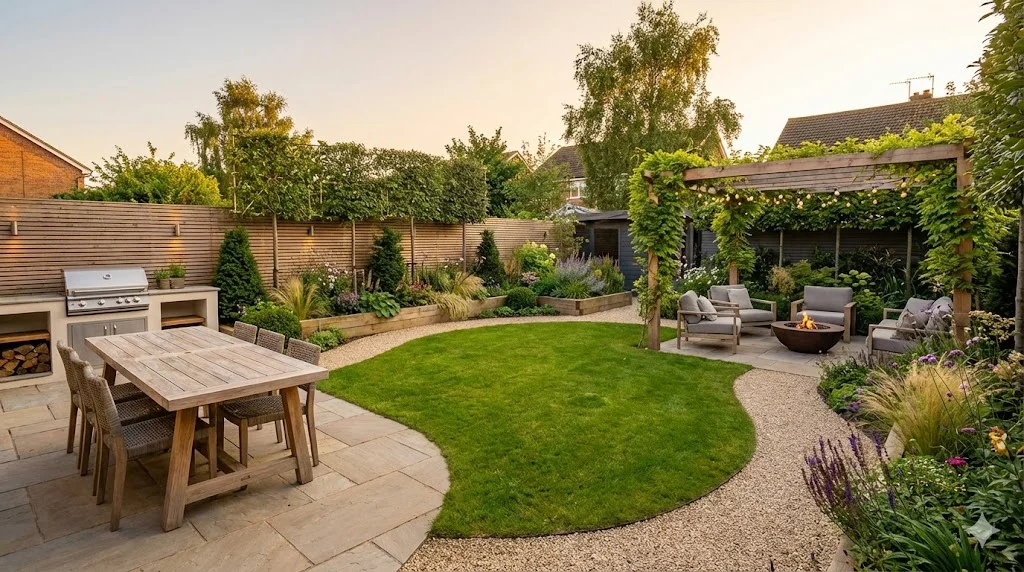
Backyard Garden Design: Creating Your Outdoor Sanctuary
Design a backyard that works as an outdoor living space. Zoning for dining, relaxation, and play, with privacy screening and year-round planting.
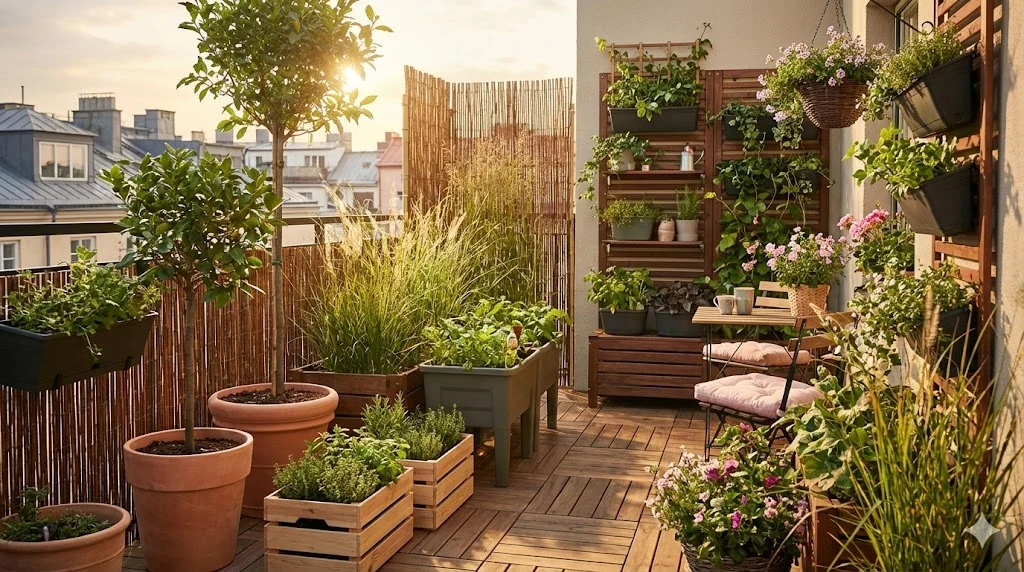
Balcony Garden Design: Growing in Containers
Create a thriving balcony garden with smart container choices, wind-resistant plants, vertical systems, and self-watering solutions for high-rise growing.
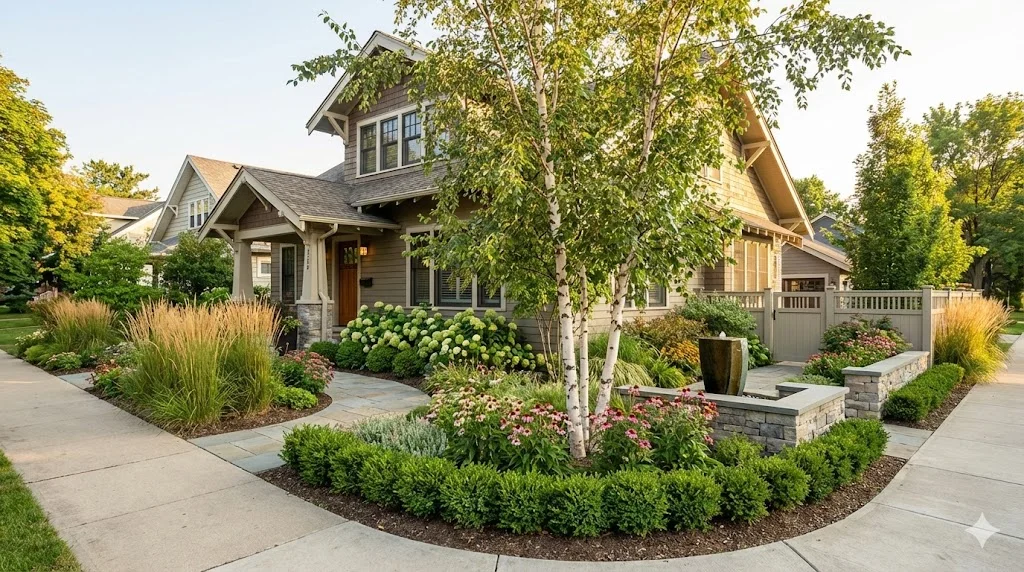
Corner Lot Garden Design: Two-Sided Curb Appeal
Design a corner lot garden that impresses from both streets. Dual frontage planting, visibility sightlines, wraparound beds, and privacy from two directions.